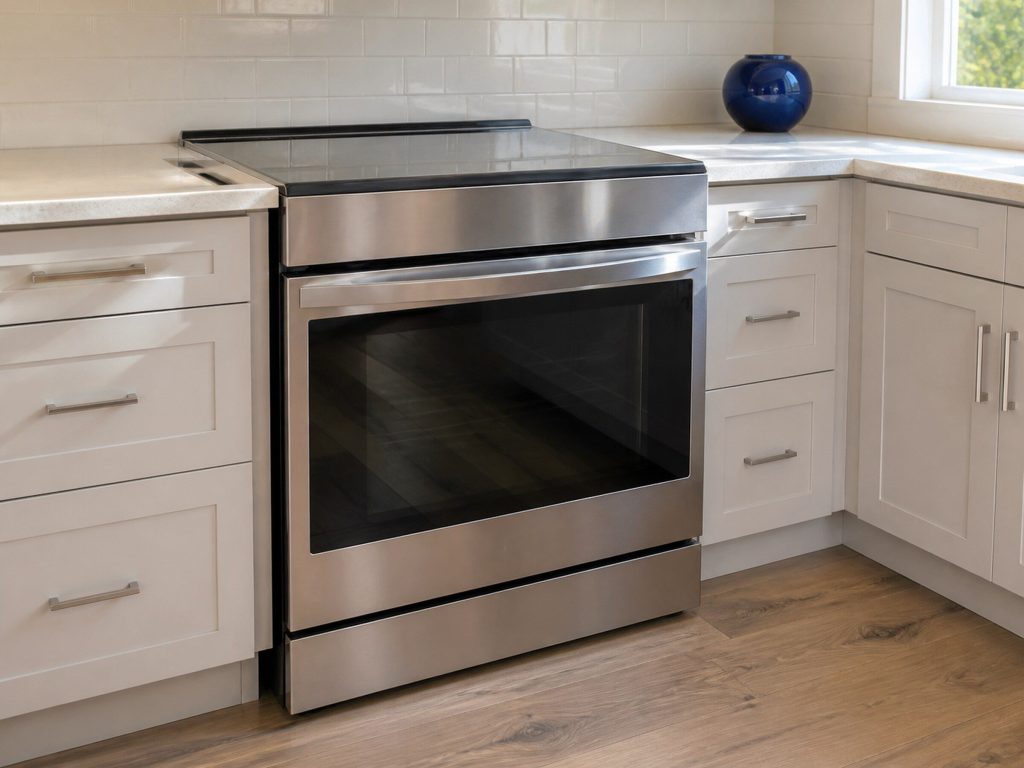
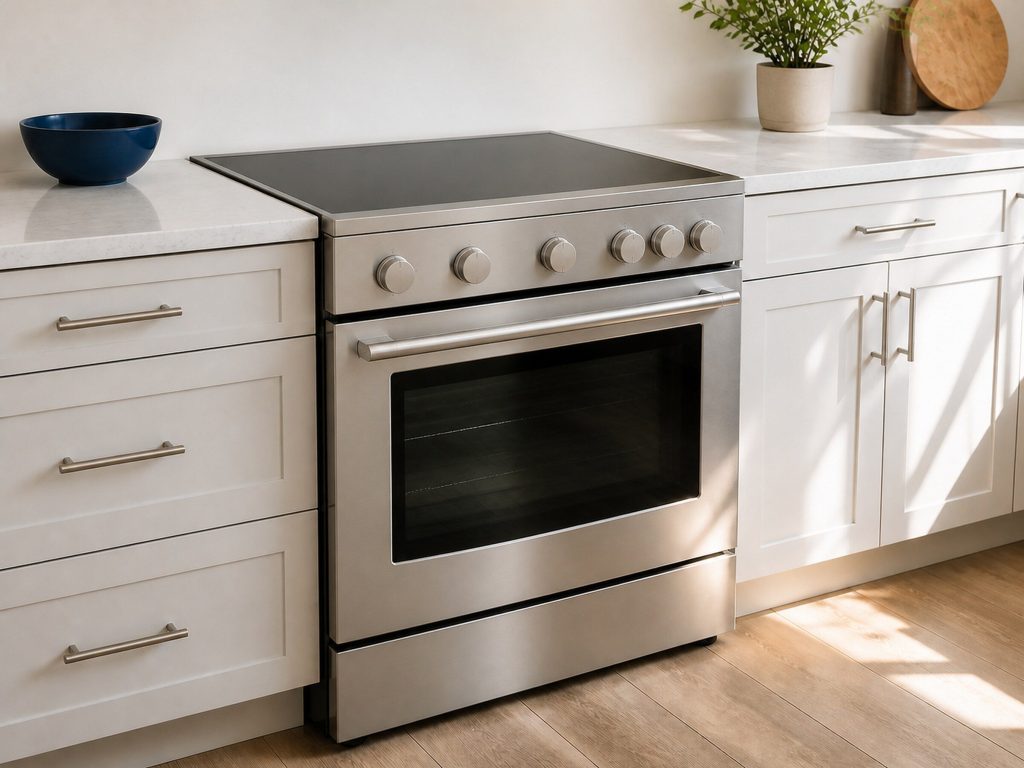
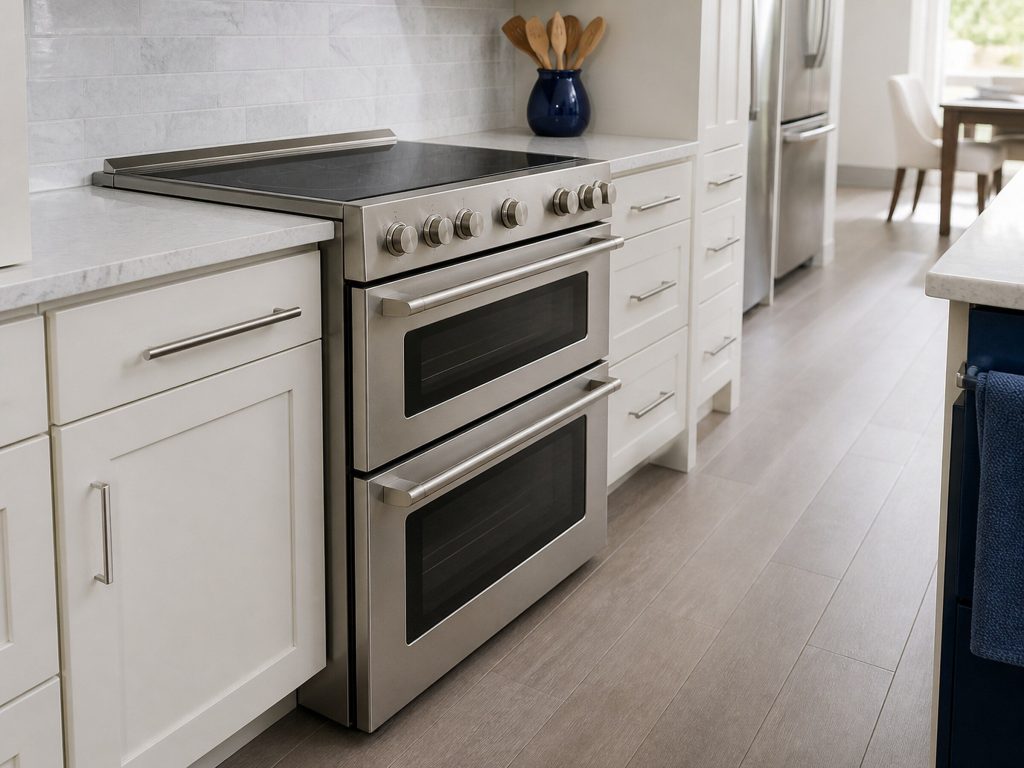
One platform, four badges, and the number tells you which
GE, GE Profile, Café and Hotpoint are four lines of the same catalog, and Monogram is the same
platform again under a fifth badge. A model number is what separates them. Two machines can look
alike across a showroom floor, share most of a parts list, and still take a different board, a
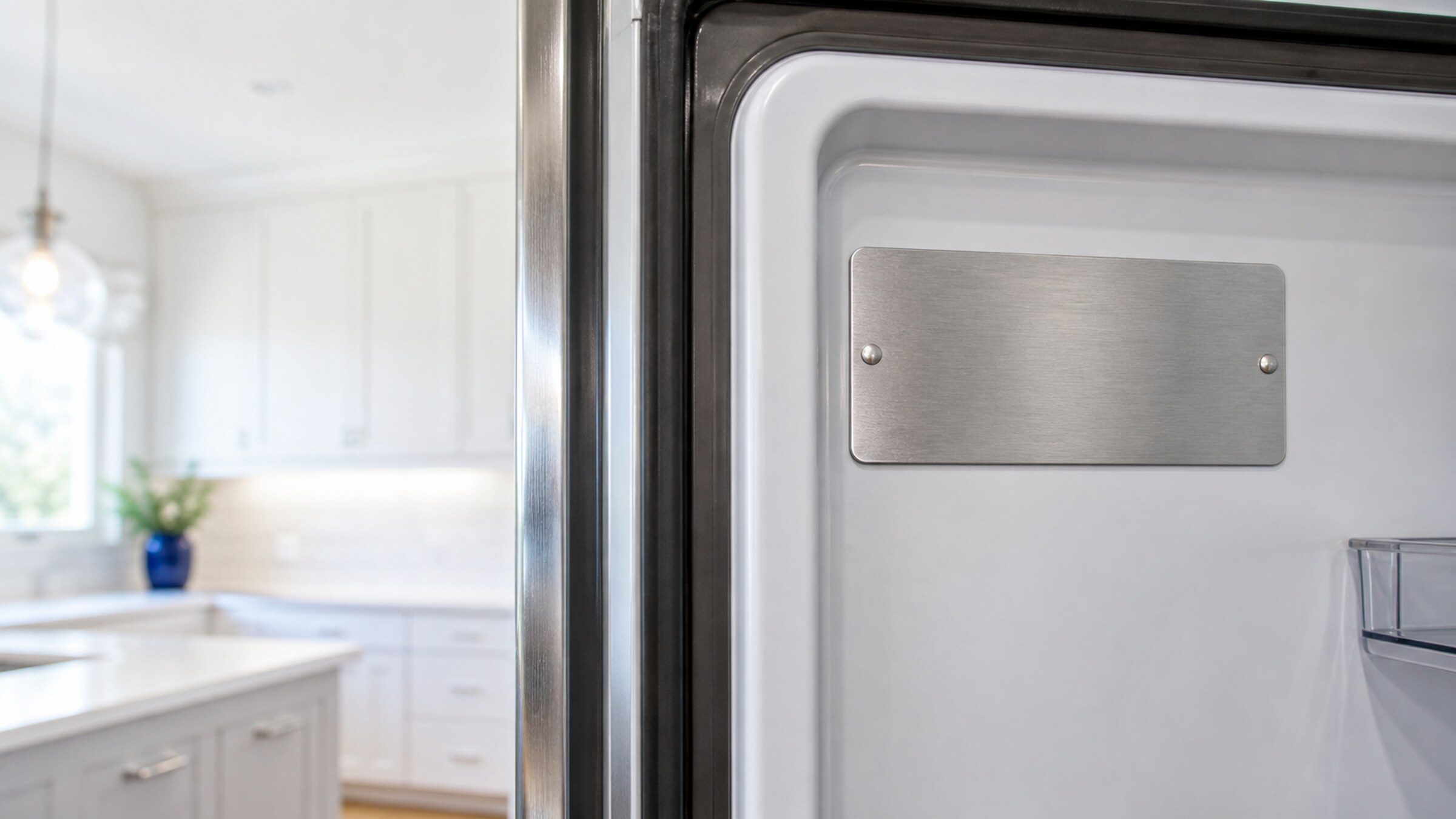
different door or a different shelf — and the only thing that says which is the full number on the
data plate.
The whole number, including the letters at the end
The letters after the digits are part of it. They usually carry the finish, and they are the
part people leave off when they read a number down the phone. A part ordered against a shortened
number arrives and does not fit, which costs a second visit rather than a first. Photograph the
plate instead of copying it: the picture takes a second and it settles the argument.
The serial beside it says how old the machine is
GE is unusual in the fleet here. The serial number carries a two-letter date code — one letter
for the month, one for the year — so the age of the appliance can be read straight off the plate
with no paperwork and no registration. GE documents the scheme themselves. On an appliance that has
already had one expensive repair, age is often the whole decision, which is why we read it before
quoting a second one.
Why this list looks the way it does
The numbers with pages here are the ones people search for by number. It is a list that follows
demand, not the catalog: GE builds far more than this, and we work on far more than this. If your
number is not here, that means nothing about whether we repair it — send the number and what the
appliance is doing, and we will tell you what the machine is and what the visit would involve.