Diagnostic visit
from $95
Credited toward the repair when you go ahead. A visit that ends at a disposer plug or a vent is a short one, and we would rather that were the outcome than an expensive one.
Miami-Dade · Broward · Palm Beach
Refrigerators, dishwashers, washers and dryers, ranges and wall ovens, cooktops, microwaves, ice makers, freezers, wine centers and range hoods — under the GE, GE Profile, Café and Hotpoint badges. The widest catalog we work on, and the one most South Florida houses are built around. Tell us the model number and what the appliance is doing.
What we repair
A dishwasher that will not drain is usually plumbing. A dryer that will not dry is usually the duct. A refrigerator that is not cold is usually air or moisture. Each has its own page because the diagnosis does not transfer between them.
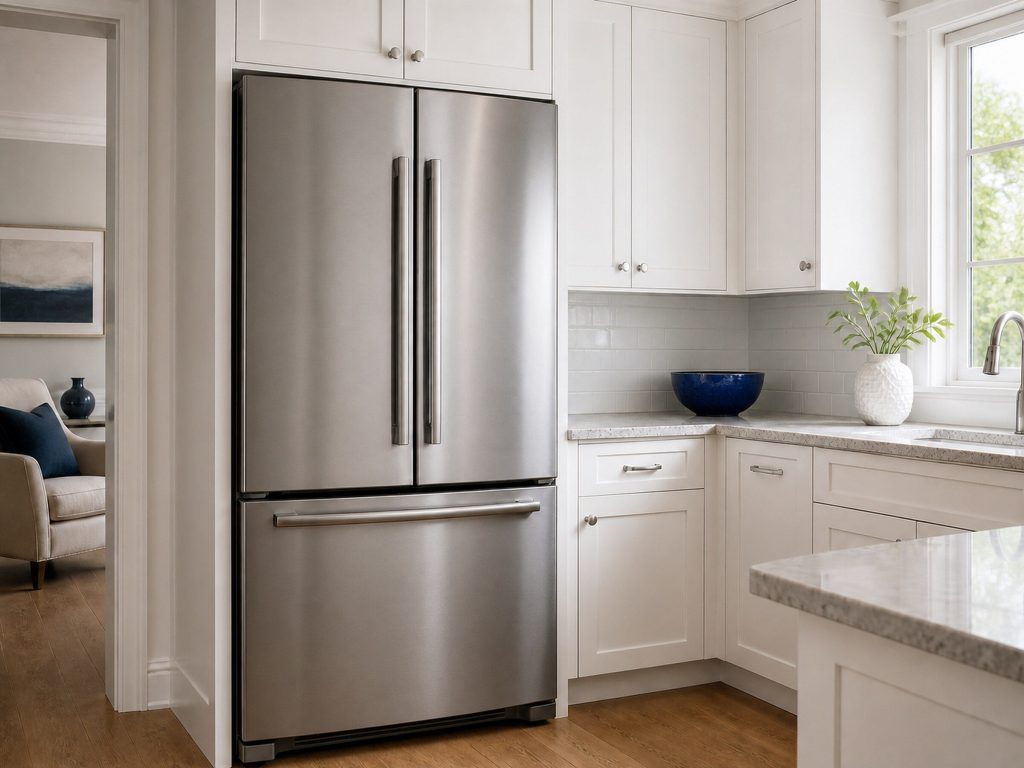
The largest half of what GE builds, and the appliance most South Florida kitchens have two of. French door, side-by-side, top-freezer, bottom-freezer and the built-in columns, across GE, GE Profile, Café and Hotpoint. Most of what we are called out to here is not the sealed system: it is the dispenser, the icemaker, the defrost circuit or a door that stopped sealing in a house where the air is wet nine months of the year.
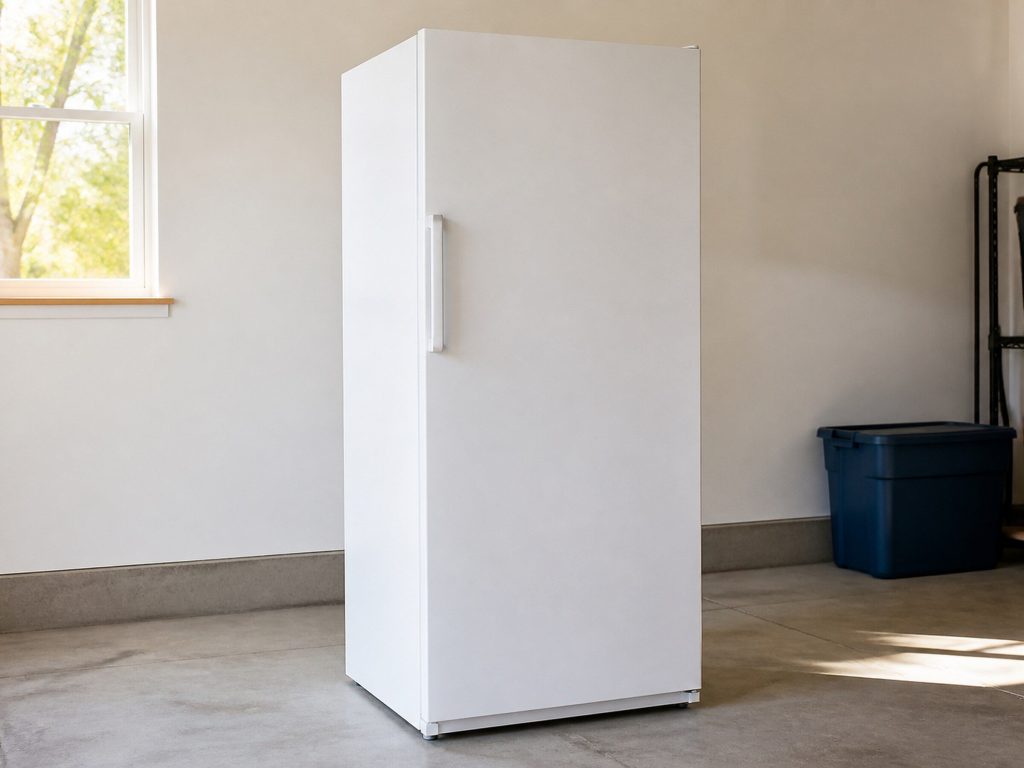
Chest and upright freezers, including the garage-ready models that matter here more than almost anywhere: a freezer in an unconditioned Florida garage is being asked to work in ambient temperatures its ordinary sibling was never designed for. Most freezer calls in this city are about where the appliance lives as much as what has broken inside it.
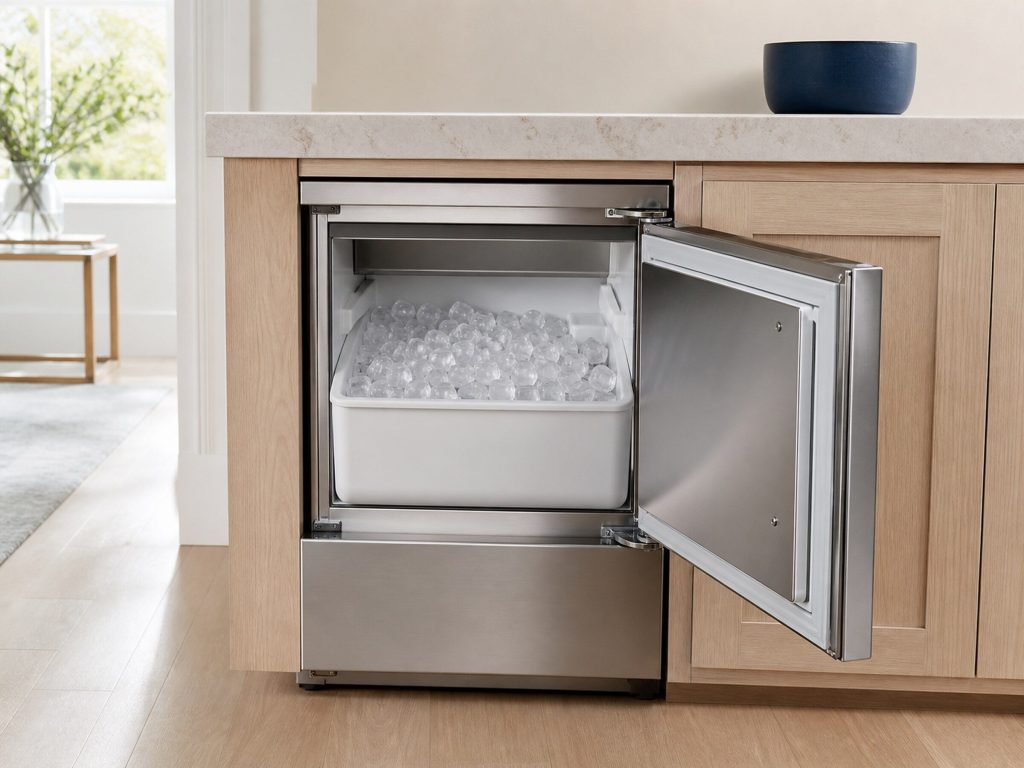
Standalone and undercounter ice makers, separate from the icemaker inside a refrigerator and a different appliance to repair. In South Florida these run harder than anywhere: entertaining outdoors, water that scales quickly, and a machine that is asked to produce all year rather than in summer bursts. Scale is what ends most of them, and scale is preventable.
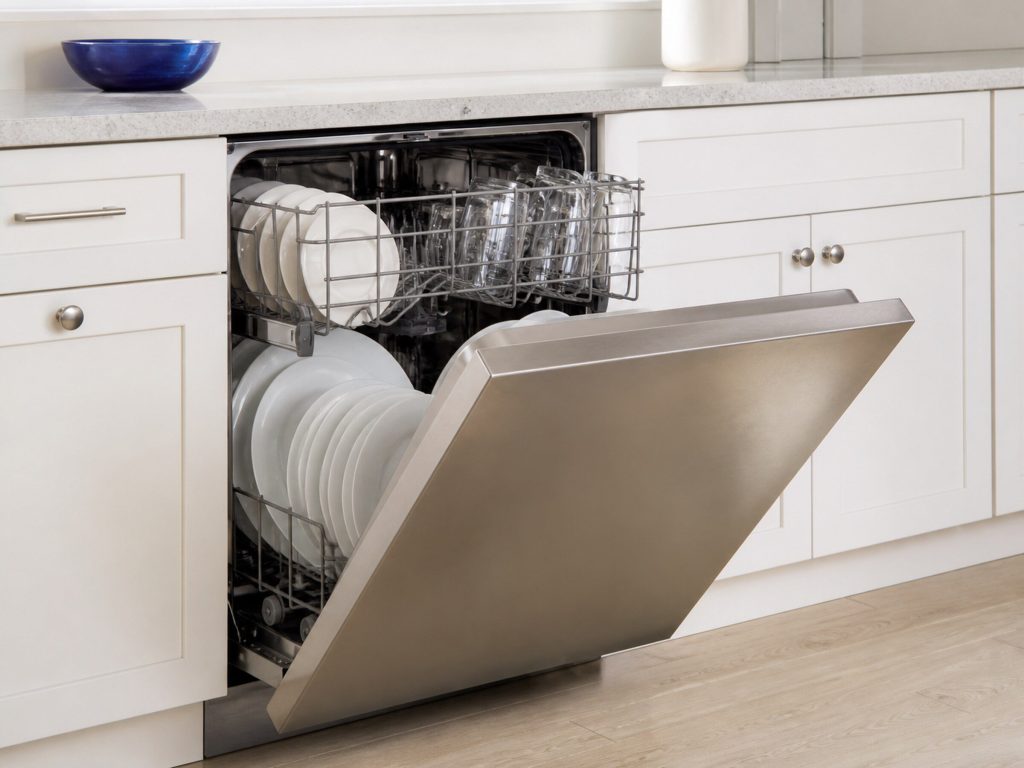
Built-in, compact and portable dishwashers across GE, GE Profile, Café and Hotpoint. Two problems account for most of the calls — it will not drain, or it does not get the dishes clean — and a good share of both end outside the machine entirely, at the sink connection, the disposer plug or the water temperature reaching it.
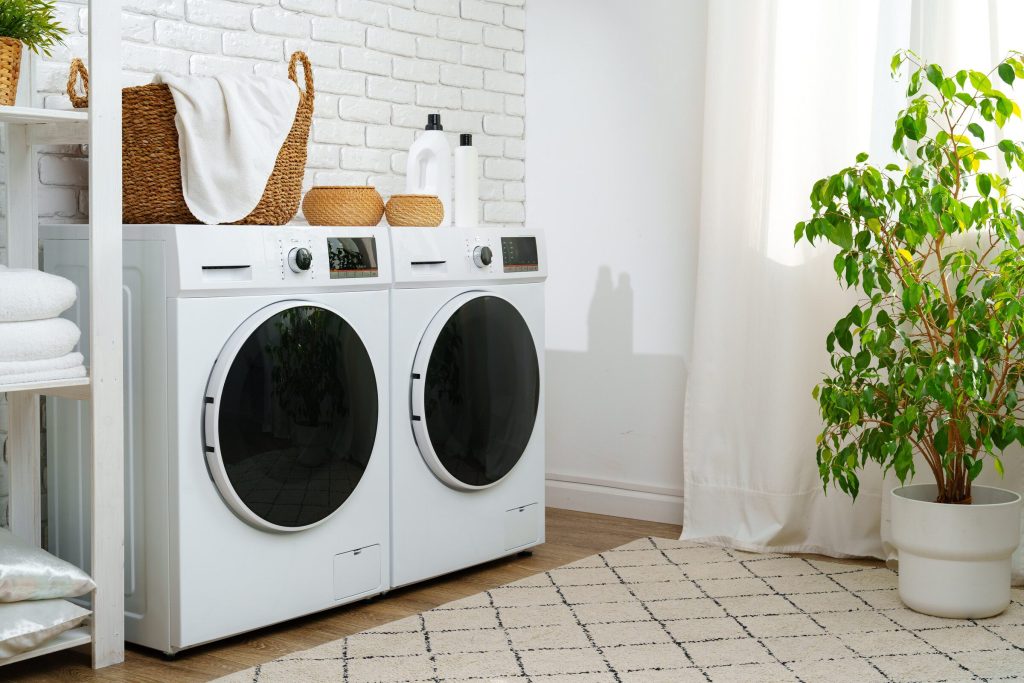
Top-load and front-load washers, including the HydroWave machines whose ordinary running noises GE documents specifically because they alarm people. The three calls that dominate are will not drain, will not spin and leaking — and on a front loader, a fourth that is not a repair at all: a door seal that has been holding water and growing something.
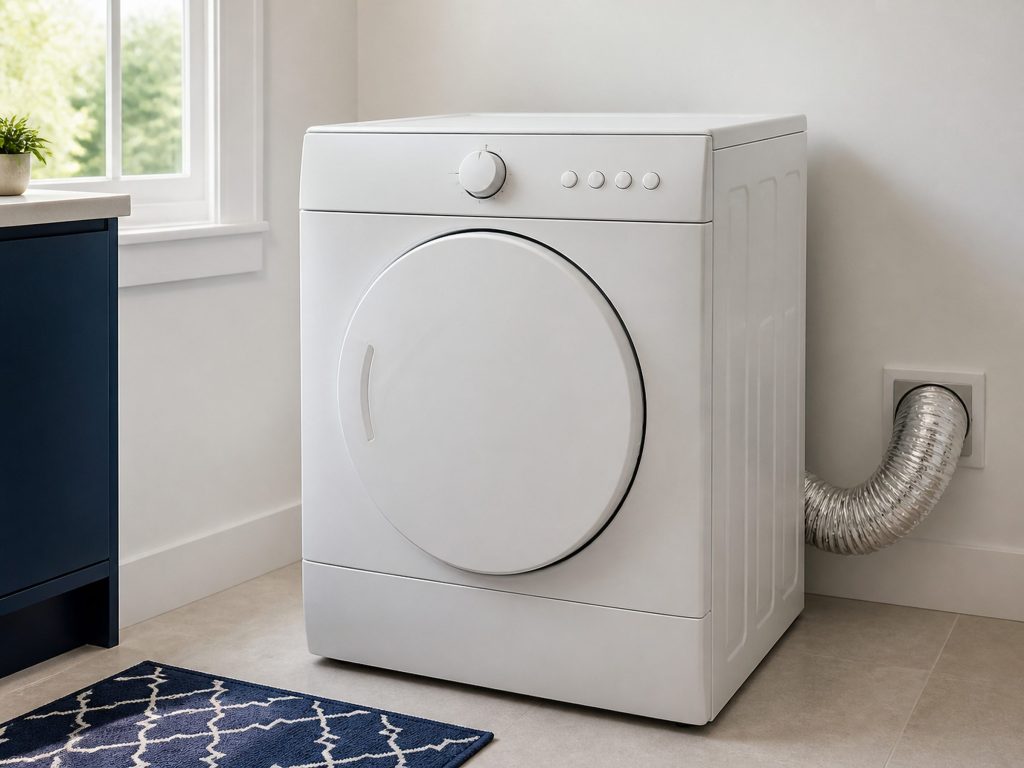
Electric and gas dryers, vented and condensation. The single most common call — it runs but the clothes are still wet — is usually not the dryer: it is the vent. In this county that duct runs through humid air and often through a long horizontal path, and a restricted one costs drying time, electricity and eventually the heating element it overheats.
South Florida
What the display is telling you
GE publishes code tables for refrigerators, dishwashers, ranges, wall ovens and microwaves — and F3 is the oven sensor on a range and a shorted touch pad on a microwave. Read against the wrong table, a code sends you to the wrong part. Wine centers, range hoods and built-in ice makers publish nothing at all, and we say so rather than inventing a list.
The plate — inside the fresh food compartment, on a door frame, or behind the drawer on a range
“We cannot provide all the … codes for past and present models.” — GE Appliances support, article 16238. The ellipsis is ours; the sentence is theirs, and it is why this site publishes symptom pages where GE publishes no table.
What a GE display can show you
F3, F4, F5
The range and wall oven format. A letter and a digit, and the same pair can appear on a microwave meaning something else entirely.
FF, PF, dE
The refrigerator format: two letters. Capitalization is not decorative — DE and dE are different codes.
tC, tF, nH
Normal function codes. GE lists these separately: the appliance is telling you a setting is running, not that anything is wrong.
Words
Some ranges write it out — Unlock Door, Bad Line, Loc Door. A message rather than a number, and it still means something specific.
The collisions worth knowing before you look anything up
| F3 | On a range, the oven sensor needs replacing. On a microwave, a shorted touch pad. One code, two appliances, two different parts. |
|---|---|
| FF | On a refrigerator, the freezer is getting too warm. On a range, the electronic control. The same two letters on two machines in the same kitchen. |
| DE / dE | One keystroke apart and opposite answers. DE is demo mode — the appliance is working exactly as instructed. dE is a defrost system that has not run in 24 hours. |
| PF | A power interruption notice on a refrigerator, a dishwasher or a microwave. Not a problem: a record that the power went away. |
| F4 / F5 | On a range, the sensor and then the control. On a microwave, an open humidity sensor and then a shorted one. Read against the wrong table it sends you to the wrong part. |
Every row is from GE's own published tables, and each one has its own page here with the source named on it.
Write the code down, then photograph the plate. Those two things together are most of what shortens a first visit.
Every code and signalWine centers, range hoods and built-in ice makers publish no codes at all. Where GE prints nothing we publish symptom pages instead, because a table nobody can trace is worse than no table.
How a visit runs
The plate is inside the door, behind the kick panel or on the frame. GE's serial carries a two-letter date code, so we know the age of the appliance before we arrive — which decides what is worth spending as much as the symptom does.
Seals, sensors, elements, pumps, igniters and switches travel with us. On a brand this size the parts are stocked rather than ordered, which is why most of these end in one visit rather than two.
The free causes get ruled out first because they are free — a disposer plug, a vent, a setting. Then the measurement. Nothing is opened until you have the scope and the figure, and the diagnostic comes off the bill when you go ahead.
Where a repair approaches what the appliance is worth, you hear that before the work rather than after it. On this make that conversation comes later than on most, because four badges share their parts and keep older machines viable.
What it costs
Every figure here is a starting point for this equipment in South Florida, researched rather than invented, with the reasons attached. All 34 of them are on the cost pages with the evidence beside each one.
from $95
Credited toward the repair when you go ahead. A visit that ends at a disposer plug or a vent is a short one, and we would rather that were the outcome than an expensive one.
from $115
The cheapest job on the site, and it prevents three others. A starved water path shows up as hollow cubes, slow dispensing and an icemaker that looks like it has died.
from $125
The most valuable line here for what it prevents. Airflow measured before and after, so the result is a number rather than an impression.
from $135
The maker's own first answer for a unit that is not cold enough. At floor level in a Miami kitchen, a condenser fills faster than any manual assumes.
from $175
When the cooktop works and the oven does not, that sentence has already separated the two circuits. Elements fail without a visible break often enough that looking is not a test.
from $650
Licensed work with recovery equipment, and the most over-diagnosed repair on a cold appliance in this city. Everything cheaper is ruled out first.
Every figure here is a starting point and a researched market range for South Florida, never a quote. The exact cost is confirmed after an on-site diagnostic and agreed in writing before anything is opened.
Every GE figure, and what moves itWhere we work
59 cities and neighborhoods, each with a page saying what we actually see there. Tell us where you are when you book and we will come back with the earliest slot we can genuinely keep.
Neighborhoods people ask for by name
Coverage is the whole of Miami-Dade, Broward and Palm Beach — the pages below are the places people search for by name, not the edge of where we drive.
The model number and a line about the behavior, plus a photograph of anything on the display. You will have the scope and the price in writing before anything is opened.
This article is based on:
Before you call
Look at the display for DE before anything else. GE lists it as demo mode: the lights and controls work and the cooling system is switched off on purpose, because that is how showroom floor models run. Appliances are sold from those floors and arrive still in it. Their own first step is to unplug it for a minute or two — and it costs nothing to try before anybody quotes a sealed system.
Usually not. If a disposer was installed recently, check that its dishwasher plug was knocked out — a disposer fitted with the plug still in it holds water in the tub every cycle, and GE names the disposer first in their own list. After that it is the drain hose and its high loop, then the filter and the sump. The pump is last and it is the rarest of them.
Feel the air at the outside vent while it runs. If it is a trickle rather than a push, the duct is restricted and that is your answer — not the element and not the machine. In this county the run is usually long and horizontal and it fills faster than anywhere dry. It is also the recognized fire risk in a laundry room, which is why we push vent work rather than parts.
GE's serial number carries a two-letter date code — a letter for the month and a letter for the year — so the age can be read off the plate without any paperwork. Send us the serial and we will tell you before quoting. On this make the repair-or-replace line comes later than on most, because GE, GE Profile, Café and Hotpoint share their engineering and a part discontinued under one badge is often current under another.
From $95, and it comes off the bill when you go ahead with the repair. It pays for the diagnosis, which is the work — and if the honest answer is that nothing needs repairing, you have that in writing too.
Yes, all four. They differ mostly in door, finish and control rather than in engineering, so a diagnosis on one badge usually transfers to the others. We are an independent repair company with no affiliation to the manufacturer, and we warrant our own workmanship. There are 18 symptom pages and 60 code pages on this site, and they cover all four.