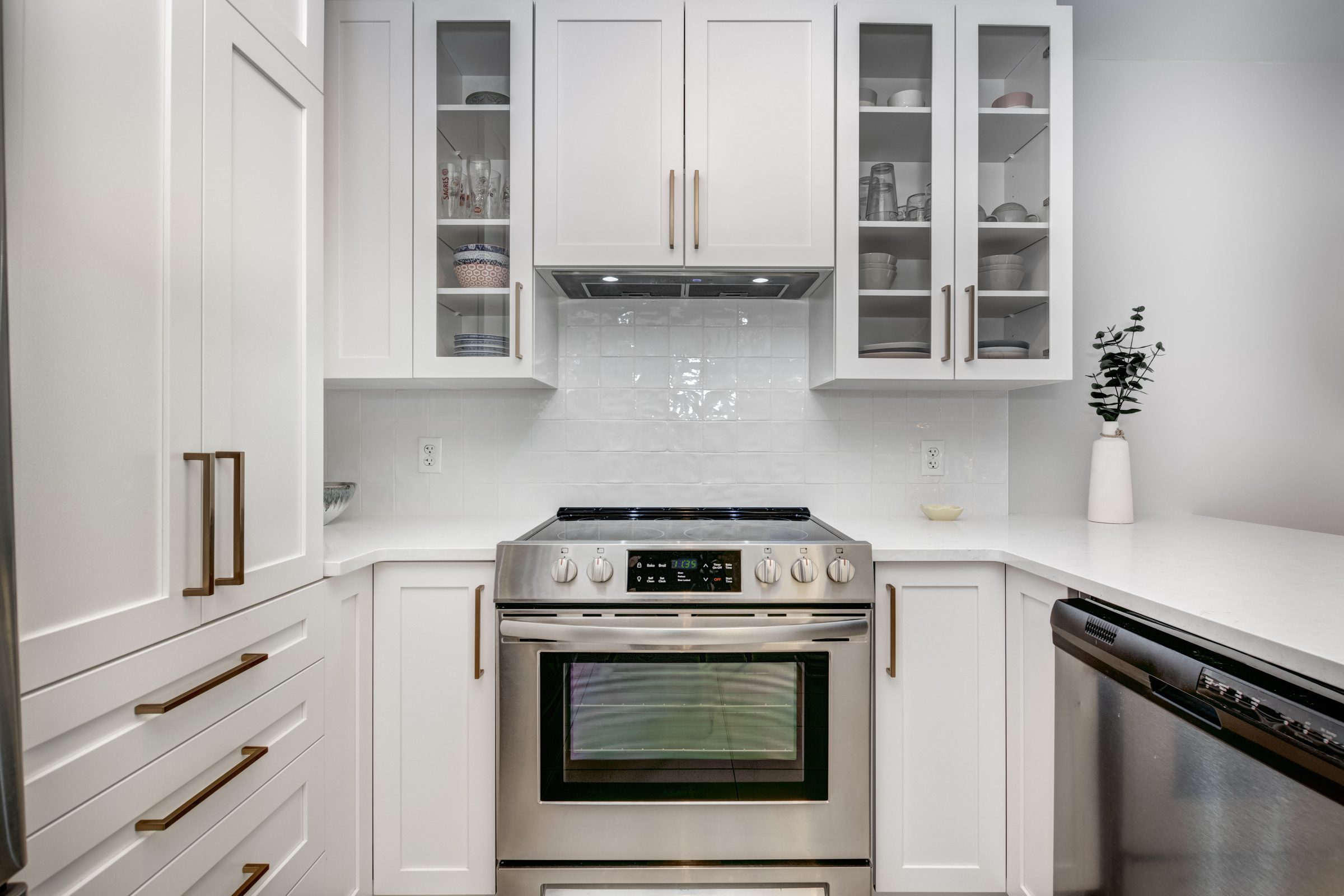
Both are GE’s own first answers to the complaints that bring us out most often — a refrigerator that is not cold enough, and a dryer that takes two cycles. Both are maintenance rather than repair. And both are what keeps the expensive rows on this page from happening: a coil that cannot shed heat shortens a compressor’s life, and a restricted vent is what kills heating elements early and is the recognized fire risk in a laundry room.
34 jobs · 12 appliances
GE repair in Miami, job by job, with a figure on each.
The widest catalog we work on, and the one most South Florida kitchens are built around. Refrigeration and ice, laundry, dishwashers, cooking and ventilation — with the two jobs that prevent most of the others, a condenser clean and a dryer vent, priced to be chosen rather than deferred.
- 34 jobs with a published figure
- 12 appliance types we cover
- 4 badges: GE, Profile, Café, Hotpoint
- from $95 diagnostic, credited to the repair
Start from the job
What each one involves, and what it starts at
Every figure is a starting point for this equipment in South Florida, and the exact cost is confirmed on site after the diagnostic and agreed in writing before anything is opened.
-
from $95 Diagnostic visit
We find out what is actually wrong before anybody quotes a part. On a GE that starts with the two things their own support pages start with — what the appliance is reporting, and whether anything outside it is the cause — because a dryer that will not dry is usually a vent and a dishwasher that will not drain is often a disposer. The fee is credited toward the work when you go ahead.
- What the appliance reports, read rather than guessed
- The causes outside the appliance ruled out first
- Credited toward the repair
-
from $129 Appliance maintenance
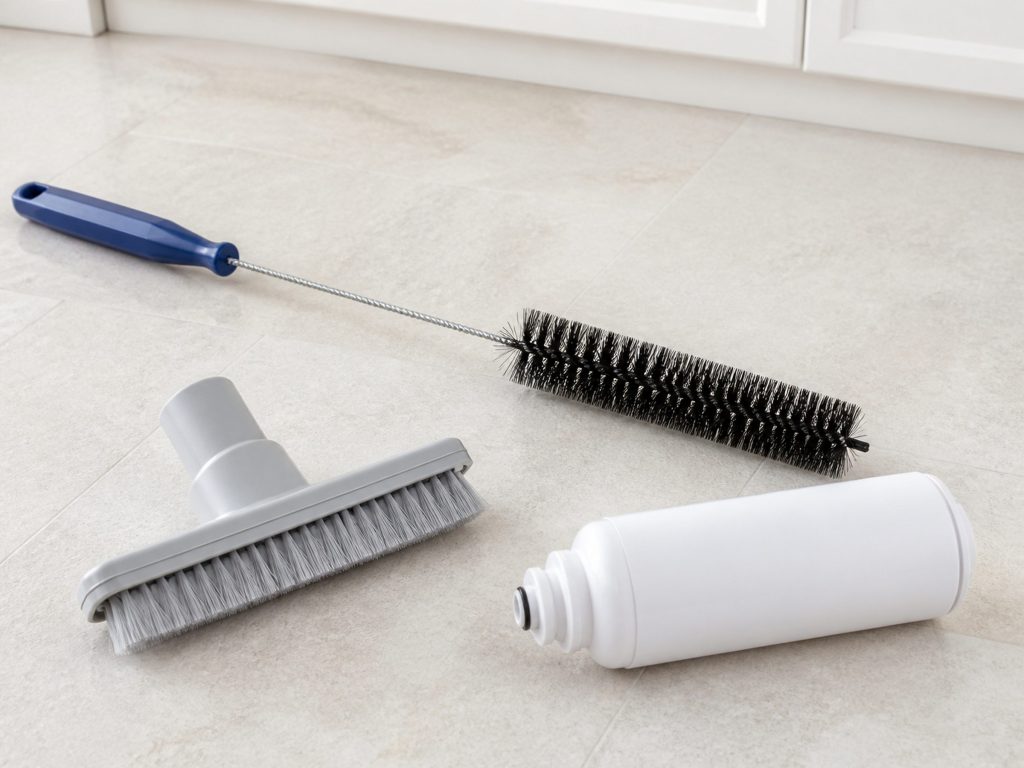
The visit that prevents the expensive one. Condenser coils in a city where floors carry dust and hair, a dryer vent that has been quietly filling for three years, an ice machine scaling on hard water, filters that are past their interval. None of it is glamorous and all of it is cheaper than what it prevents.
- Condensers, vents, filters and seals in one visit
- Priced per appliance, cheaper together
- The findings written down, not just the work
-
from $149 Appliance installation
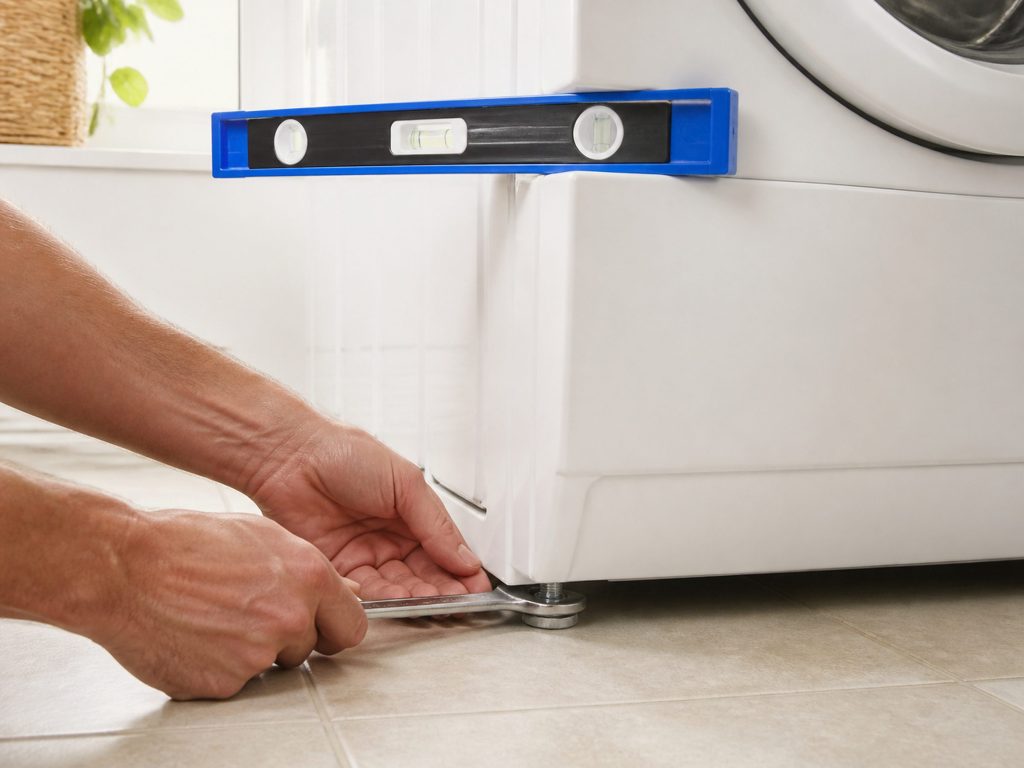
Installation done so the appliance can be serviced later, and so it performs the way its specification says. A built-in that has no clearance loses cooling every August, a dryer vented into a long horizontal run never dries in one cycle, and a dishwasher connected to a new disposer with the plug still in it will hold water from the first cycle.
- Clearances the specification asks for, not the ones the cabinet allows
- The disposer plug, the high loop, the vent run
- Leveled, aligned and tested before we leave
-
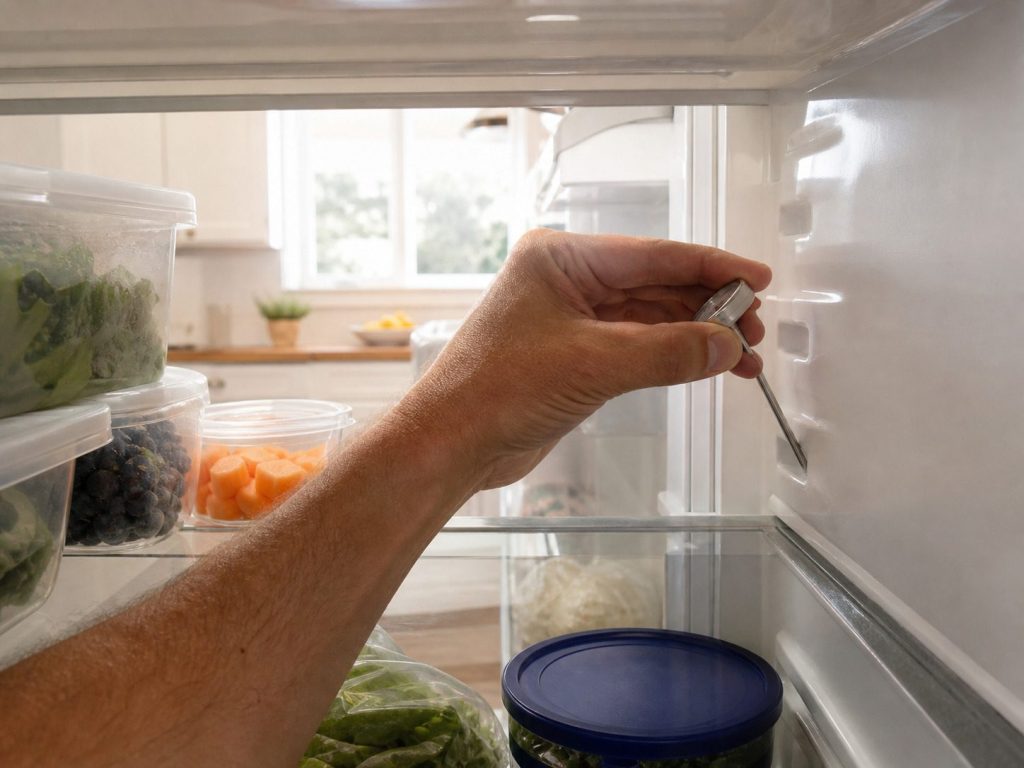
from $165 Refrigerator not cooling repair
The most common call on this make, and the one most often misdiagnosed as a sealed system. GE's own troubleshooting runs settings, then airflow, then defrost — and it is right in that order far more often than the phone call suggests. A cabinet that gets slowly warmer over days while the freezer stays fine is a defrost story, not a compressor one.
- Settings and airflow before any part is named
- Defrost circuit measured, not assumed
- Sealed system is last, not first
-
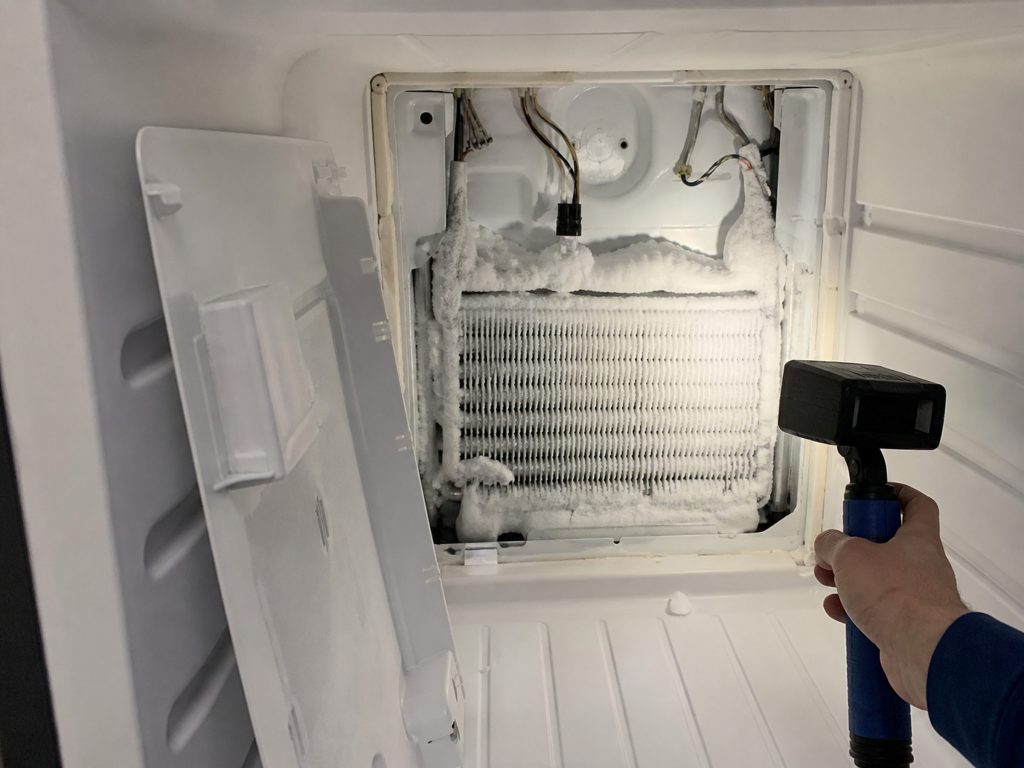
from $185 Defrost system repair
The circuit that keeps the evaporator clear, and the reason a refrigerator in this climate works harder than one anywhere dry. A heater, a thermostat or a control that has stopped cycling lets ice build where the air has to pass, and the cabinet loses its cold slowly enough that nobody catches it for a week.
- Heater, thermostat and control tested as one circuit
- Humidity makes this the local failure
- Ice that returns after a manual defrost is this
-
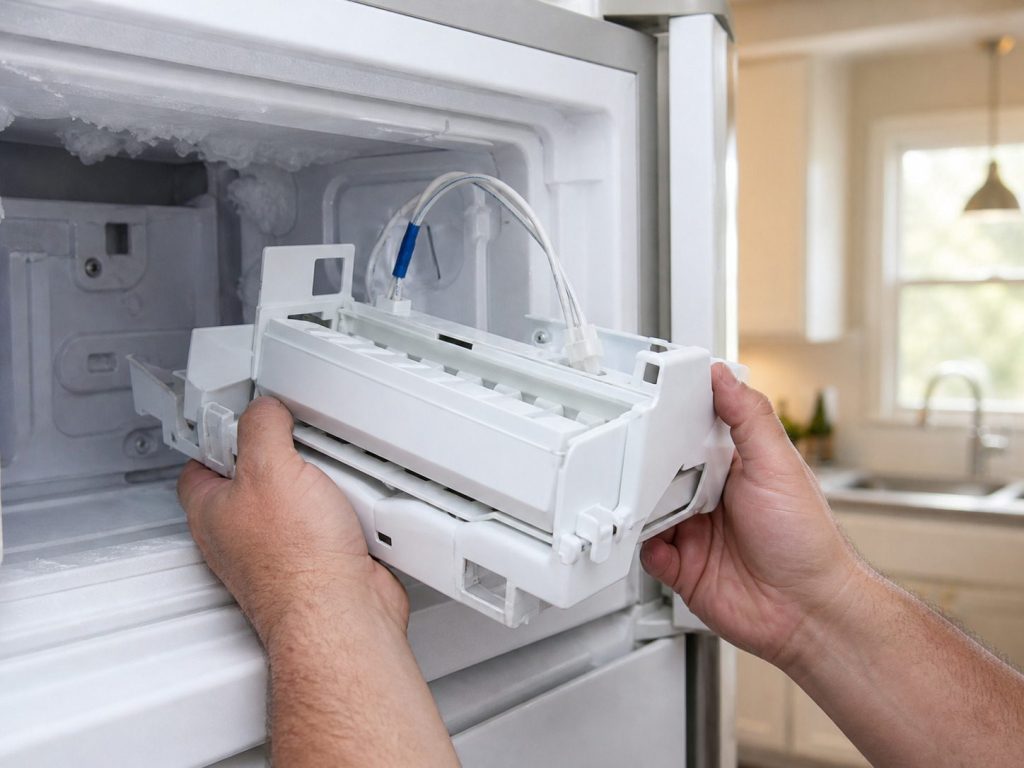
from $165 Icemaker repair
The icemaker inside a refrigerator, which is a different appliance from a standalone ice machine and a different repair. GE's own list runs temperature, water supply, then the shut-off arm before the module — and each of those is cheaper than the assembly everybody expects to buy.
- Temperature and water supply before the module
- GE publishes normal production rates — many calls end there
- The module replaced when the module is what failed
-
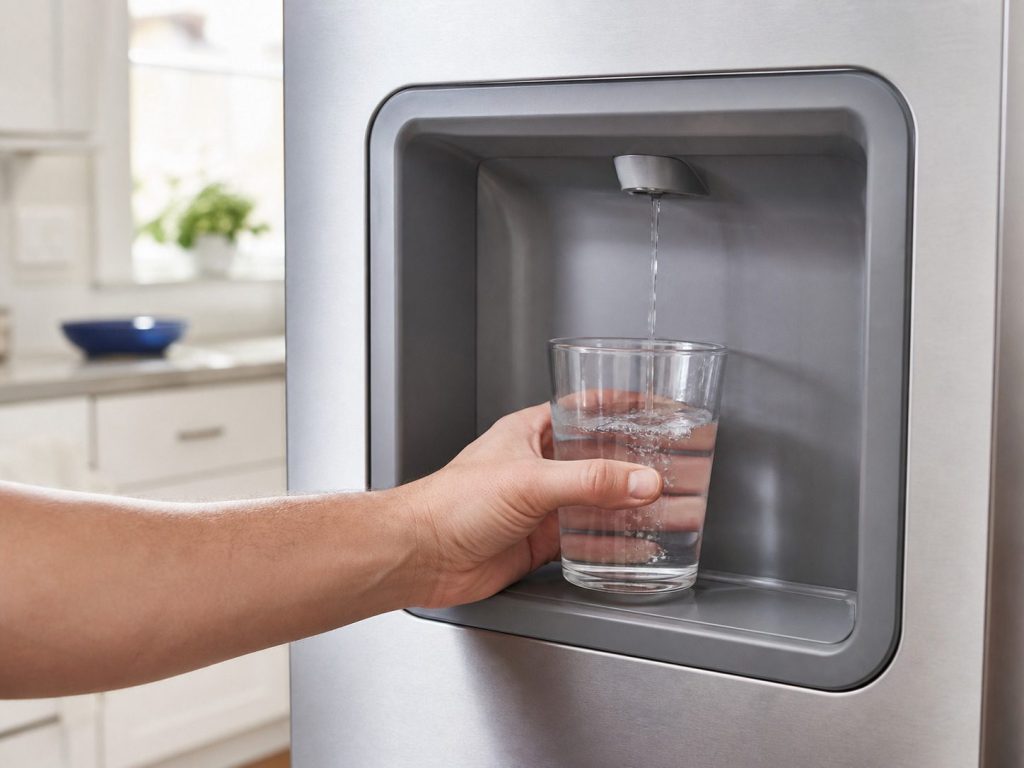
from $145 Water and ice dispenser repair
Dribbling water, no water, crushed ice only, or a dispenser that leaks onto the floor. GE has a separate support article for each of those because they have different causes, and the one that catches people out is a partly frozen line in the door — which gets worse in cool weather and reads like a failing valve.
- Filter, line, valve — in that order
- A frozen door line reads exactly like a dying valve
- Crushed-only is the solenoid or the chute, not the auger
-
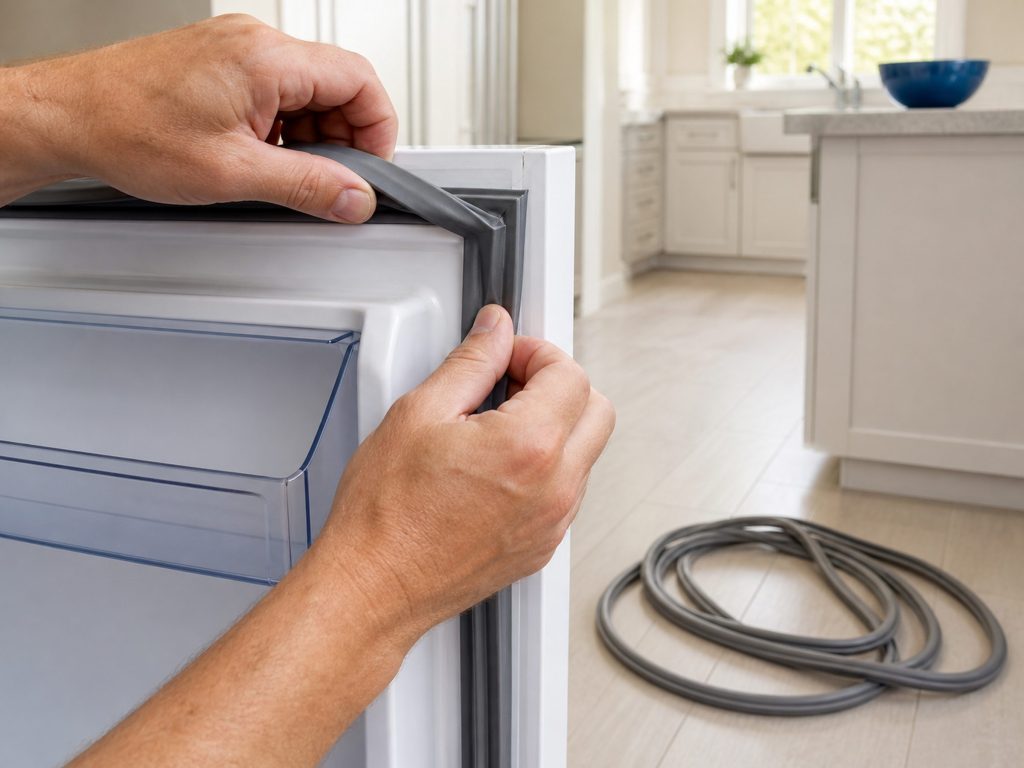
from $155 Door seal replacement
The cheapest repair on a cold appliance and the one that costs the most when it is ignored. In a climate this wet, a seal that has lost its grip lets humid air in all day; the defrost system then spends its life clearing ice it should never have had to make, and the power bill climbs before anybody looks at the door.
- Hinge-side failure first — that is where seals go
- Frost, run time and the power bill are the symptoms
- Alignment checked at the same time, always
-
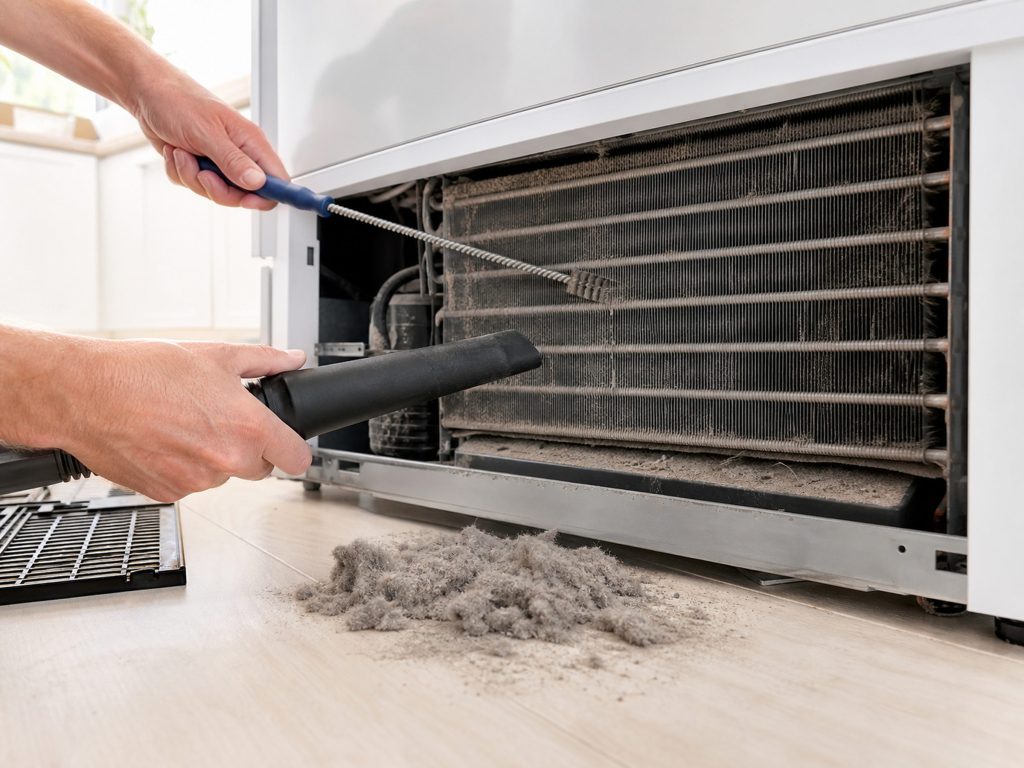
from $135 Condenser and airflow service
GE's own first answer for a unit that is not cold enough, and it is right often enough to be worth doing before anything else. A condenser at floor level in a Miami kitchen collects what floors collect, and a coil that cannot shed heat makes the compressor run longer for less cold — which reads as a failing appliance and is not one.
- The maker's own first check
- Floor-level coils fill faster here than any manual assumes
- Often restores cooling with no part at all
-
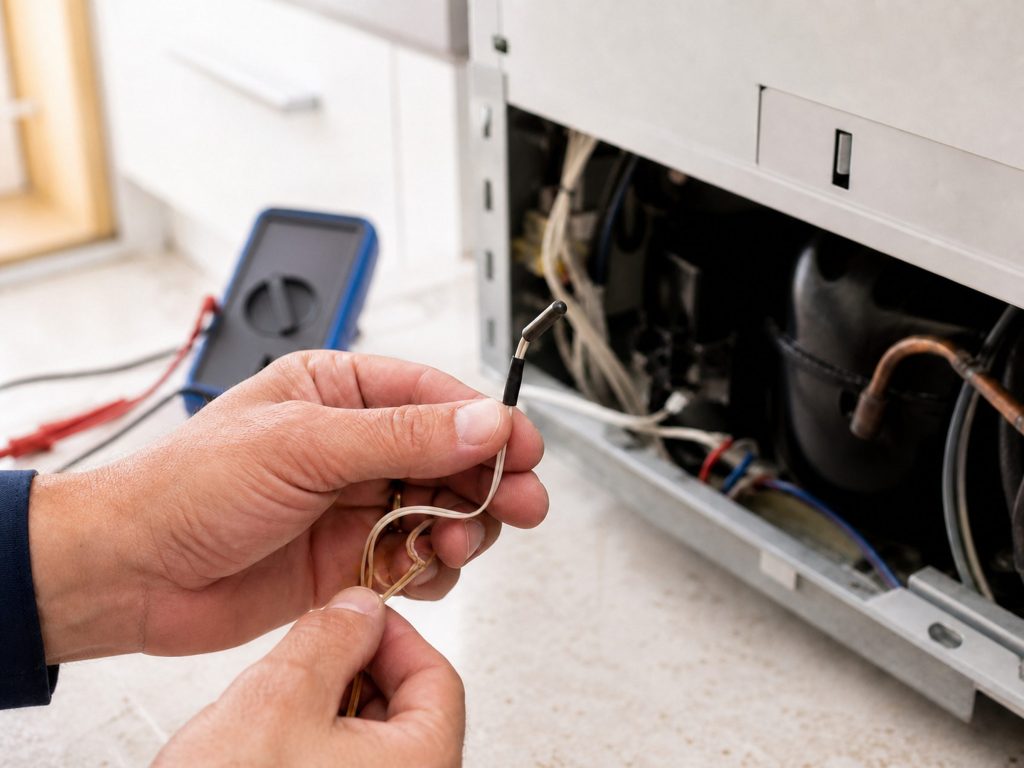
from $165 Temperature sensor replacement
A drifted sensor is the failure that makes an appliance look far sicker than it is: a cabinet that never arrives, an oven fifty degrees out, a wine center that swings. The part is inexpensive and the diagnosis is a measurement — which is why it is worth ruling in before anybody quotes a control board.
- Measured against the maker's own resistance table
- Cheap part, expensive misdiagnosis
- On ovens, calibration sometimes replaces the repair
-
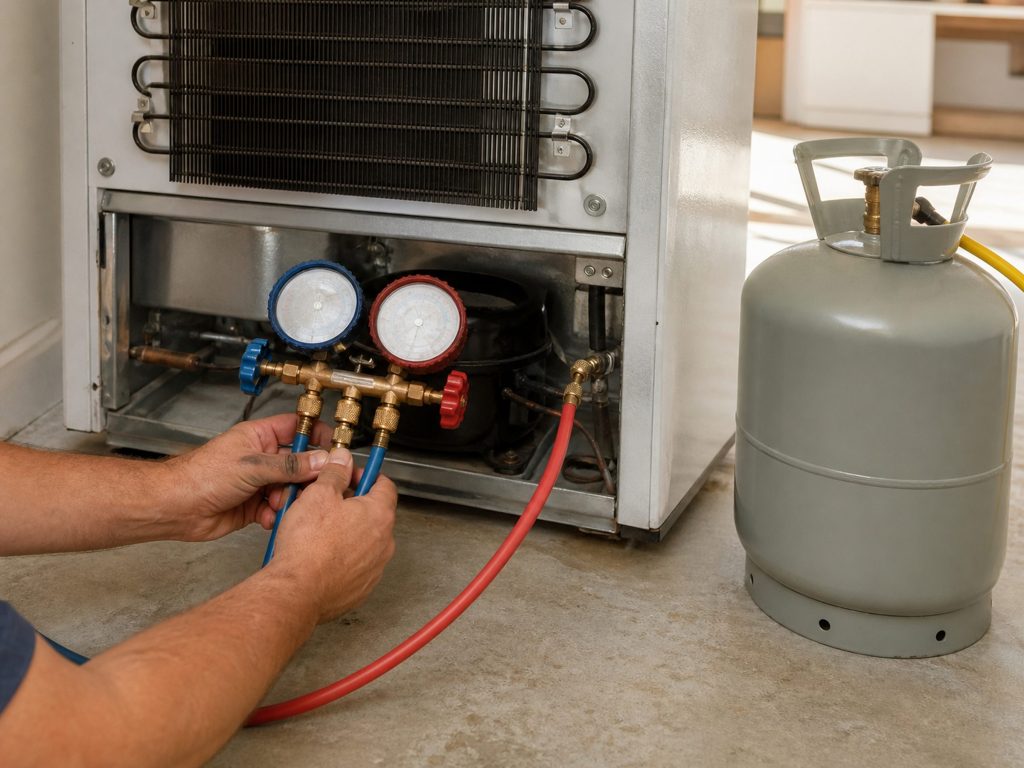
from $650 Sealed system repair
Compressor, condenser, evaporator, drier and the tubing between them — the refrigerant circuit. Licensed work with recovery equipment, and the most over-diagnosed repair on a cold appliance in this city. Everything cheaper is ruled out first, and if the arithmetic favors replacing the appliance we say so before the work rather than after it.
- Licensed work, recovery equipment, EPA rules
- Ruled in by measurement, never by symptom
- We say when it is not worth doing
-
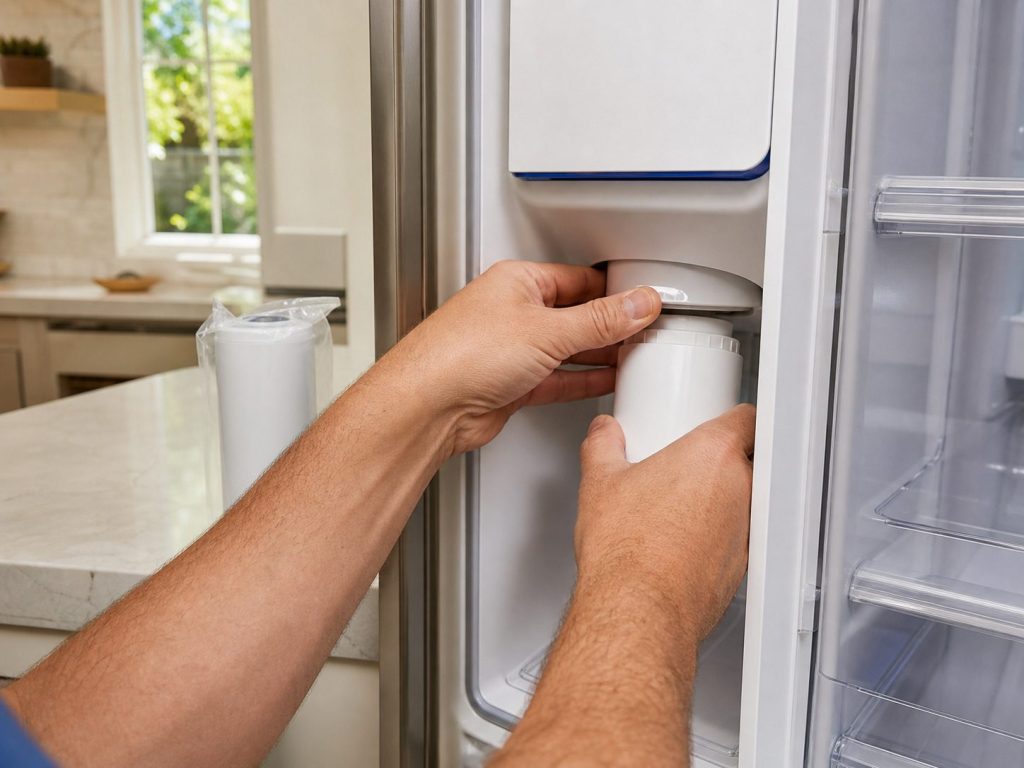
from $115 Water filter and line service
The smallest job on this list and the one that prevents a run of others. On South Florida water a filter reaches the end of its useful life before the six-month interval does, and a starved water path produces slow dispensing, hollow cubes and an icemaker that looks like it is failing.
- Filters, the shut-off valve, and the line
- Six months is optimistic on this water
- Fixes several symptoms at once, cheaply
-
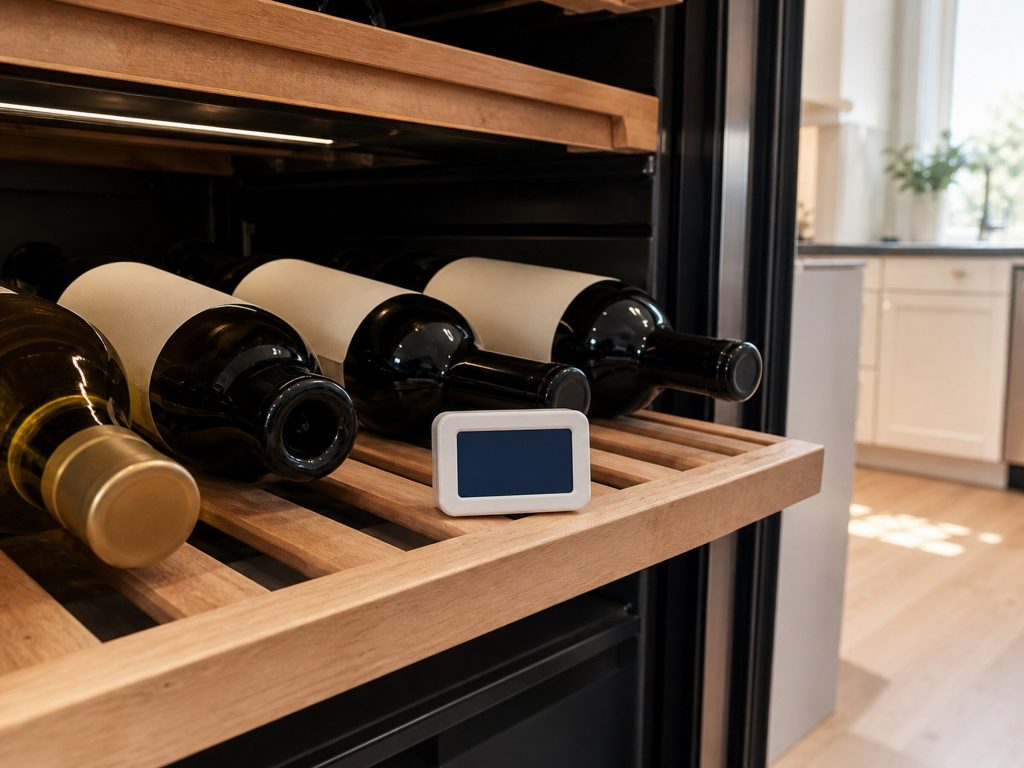
from $175 Wine and beverage center repair
A GE wine beverage cooler is judged on stability rather than on cold, so the visit is a measurement over time rather than a reading on arrival. Undercounter refrigeration judged on stability rather than on cold. A couple of degrees of drift that no refrigerator owner would notice is the whole complaint here, and the causes are airflow around the condenser, a seal that has aged, or a sensor that has drifted. GE publishes no error codes for these, so diagnosis is measurement over time.
- Stability, not absolute temperature
- No codes published — this is measured, not read
- Built-in clearance is half the diagnosis
-
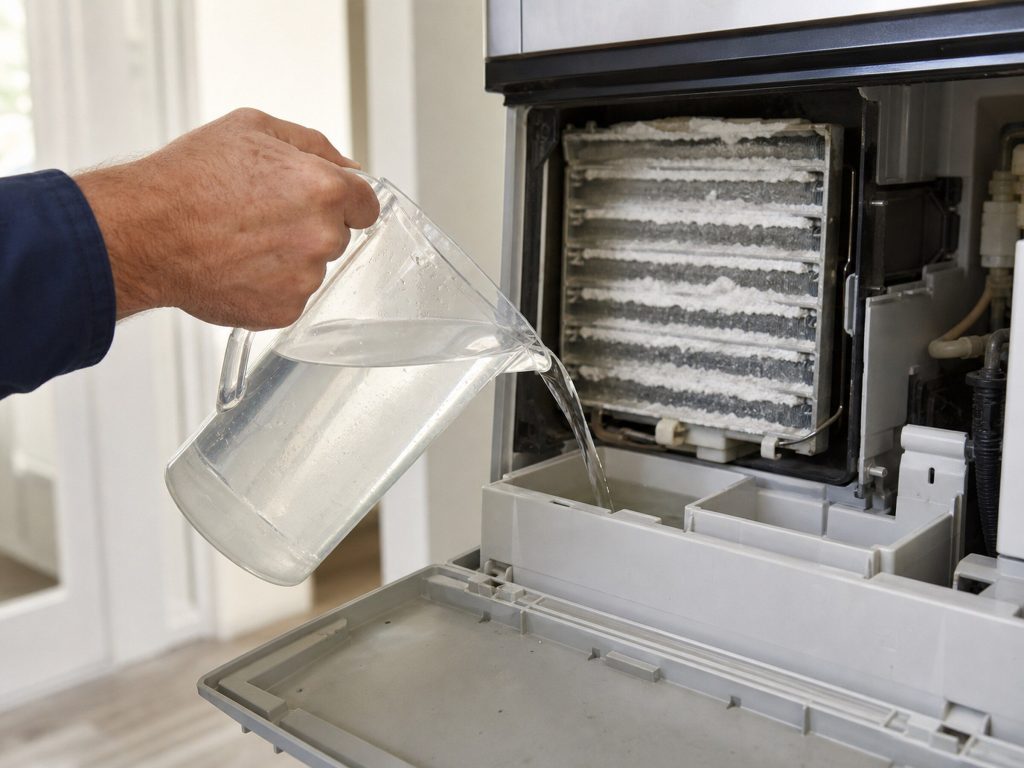
from $165 Ice machine cleaning and descaling
The cheapest service here and the one that prevents the most expensive. Scale is what ends ice machines in South Florida: mineral builds on the evaporator, ice takes longer to form and release, and the machine halves its output over a year without ever stopping. The maker's six-month interval is optimistic on this water.
- Scale ends more machines than components do
- Output recovers the same day
- Water path checked while it is open
-
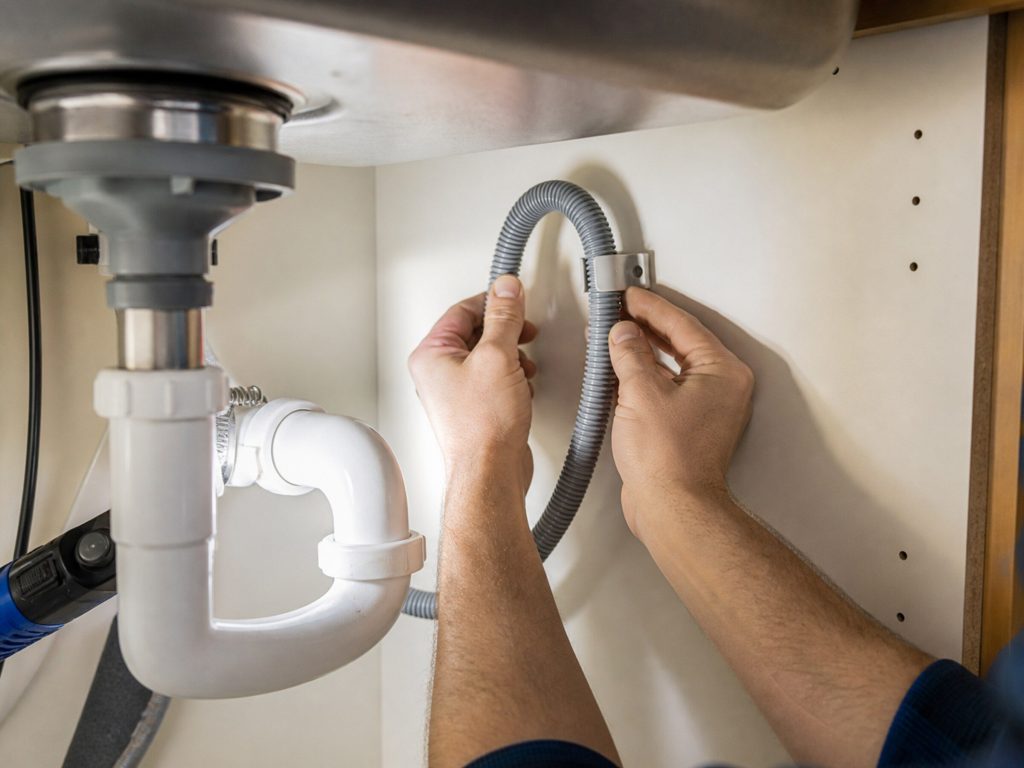
from $155 Dishwasher drain repair
Water standing in the bottom, and a repair that very often lives outside the machine. GE's own list starts at the drain hose and the disposer, and it is right: a disposer installed without knocking out the dishwasher plug will hold water in the tub every single cycle, and so will a hose that has lost its high loop.
- The disposer plug and the high loop first
- Filter and sump before the pump
- The pump is the expensive one and the rarer one
-
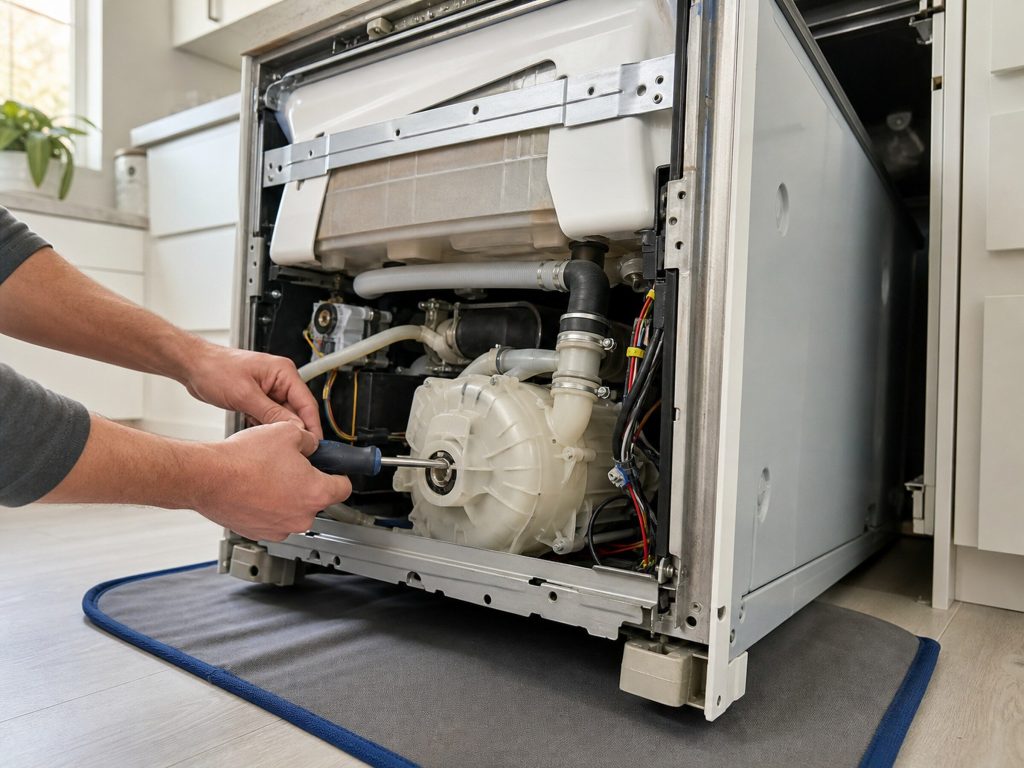
from $245 Dishwasher pump replacement
Circulation or drain pump, replaced when it is the pump and not the path to it. On an entry-level machine this is the repair where the arithmetic starts to matter, and we would rather have that conversation with you before the part is ordered than after it is fitted.
- Tested before it is condemned
- The point where cost and replacement meet
- Seals and gaskets renewed with it
-
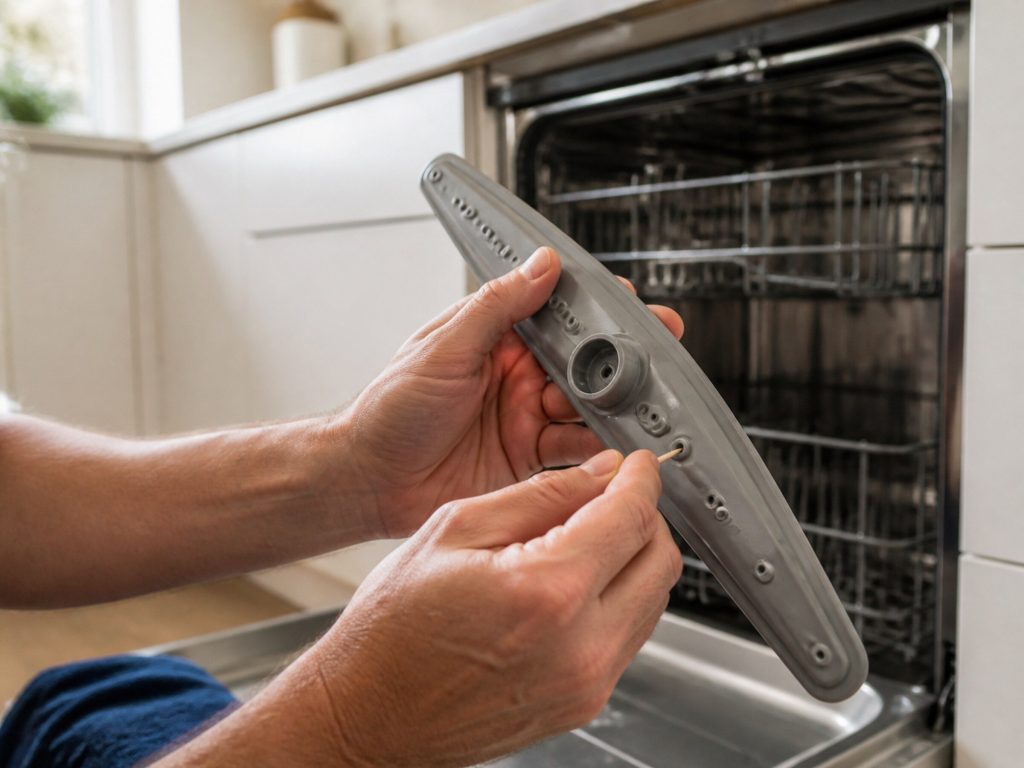
from $135 Dishwasher wash performance service
It runs and the dishes come out dirty or gritty. GE's own guidance names water temperature, the filter and loading, in that order, and the temperature one catches people out: they recommend water arriving at 120°F, and a long pipe run from a distant heater will not deliver that on the first fill.
- Water temperature at the machine, measured
- Filter and spray arms before any part
- Grit points at the filter, not the pump
-
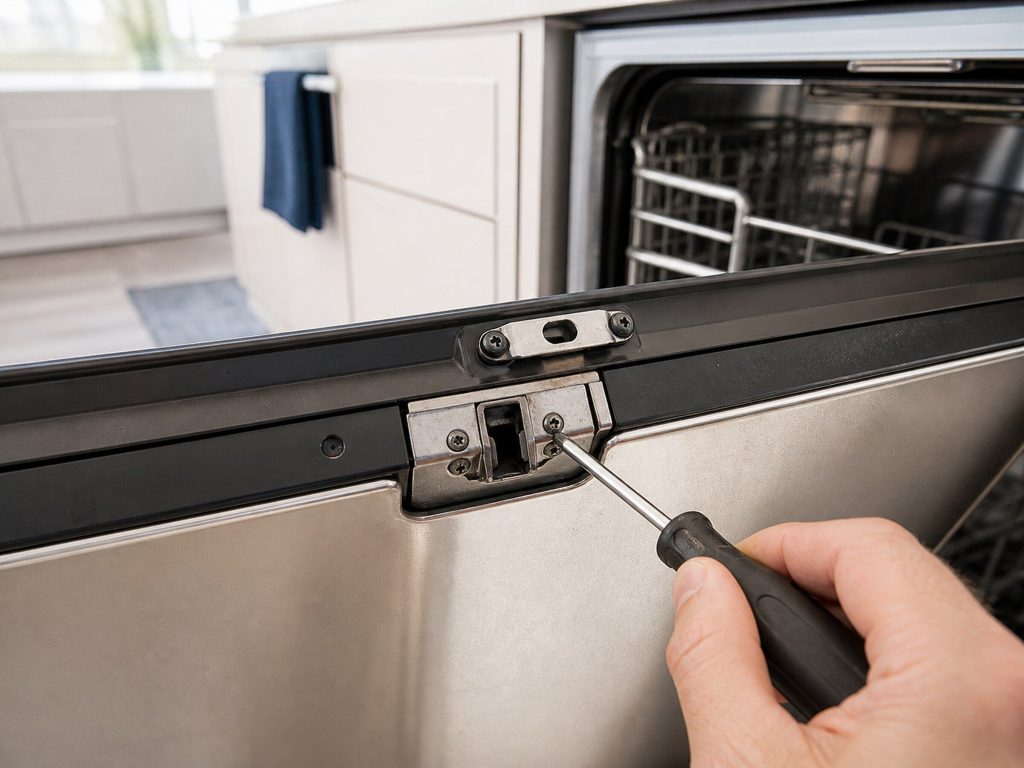
from $145 Dishwasher door and latch repair
It will not start, or it starts and stops, or it leaks at the bottom of the door. All three are usually the latch, the switch behind it or the door seal — small parts that stop a large appliance completely and are frequently mistaken for a dead control board.
- A machine that will not start is often the latch
- The door switch is a safety interlock, not a nuisance
- Leaks at the bottom of the door are the gasket
-
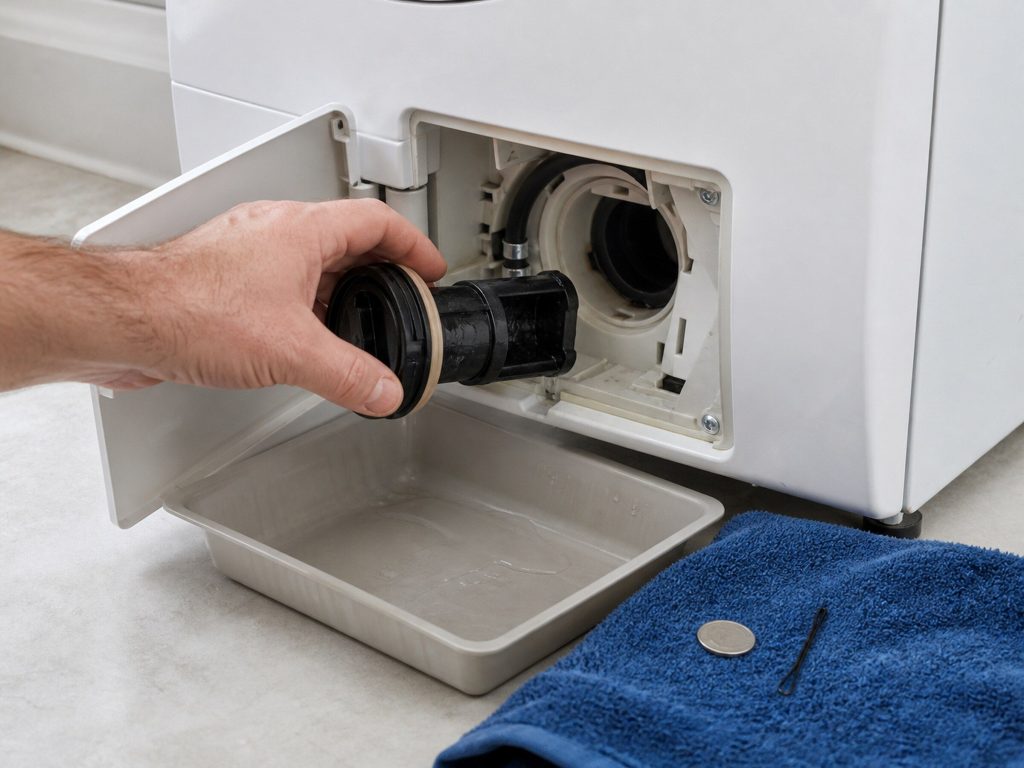
from $185 Washer drain pump repair
GE washer pump replacement comes after the filter, the hose and the standpipe have been cleared, because a pump straining against a blockage is not a failed pump. It fills and washes but will not drain. The filter in front of the pump is where the story usually ends — coins, drawstrings, an underwire — and a machine that drains slowly rather than not at all is far more often restricted than failed.
- The filter before the pump, every time
- Slow draining is restriction, not failure
- The hose and the standpipe count as the drain
-
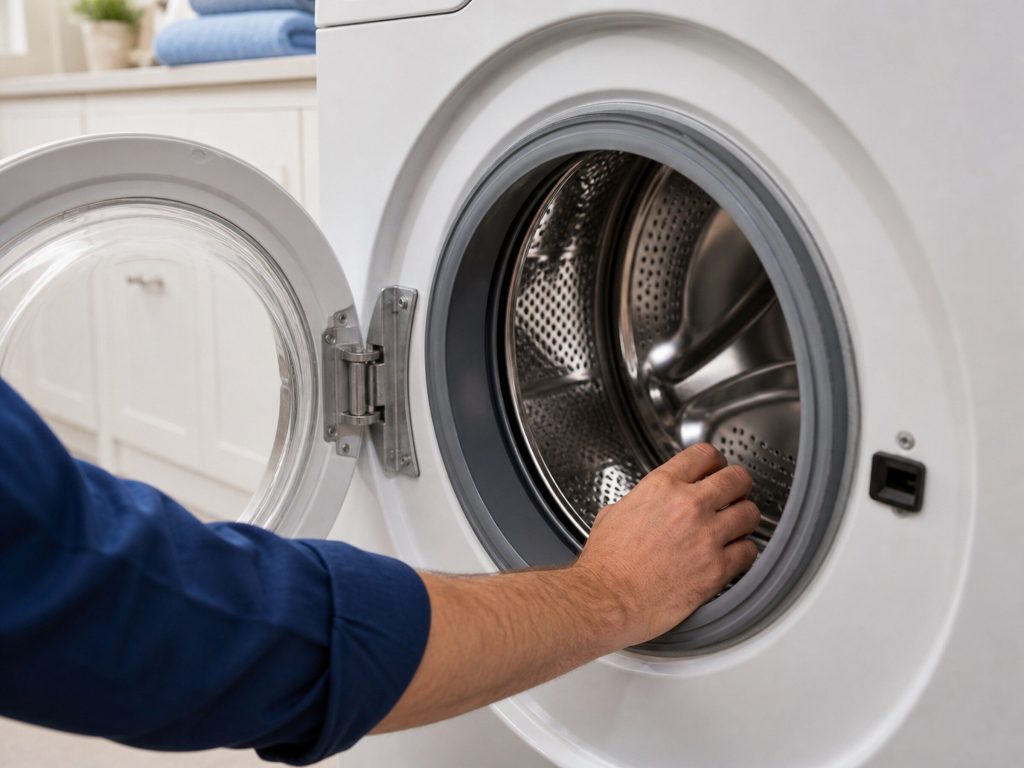
from $195 Washer will not spin repair
It drains but will not spin. The order is balance, then the lid switch or door lock, then the drive — and a washer that refuses to spin an unbalanced load is working correctly and protecting itself, which is why the first question is whether it happens on every load or only the big ones.
- Balance first — the machine may be right
- Lid switch and door lock are safety interlocks
- Belt, coupler or bearing, tested in that order
-
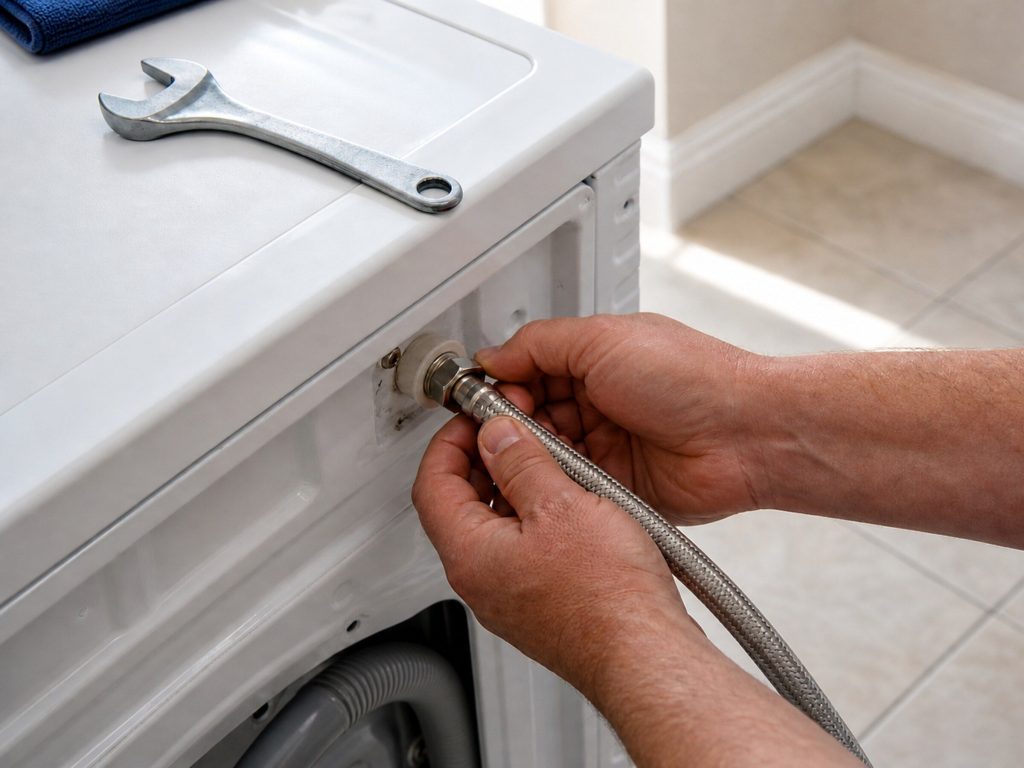
from $165 Washer leak repair
Leaks that only happen sometimes are the hard ones, and they are usually the door seal on a front loader, a hose connection that weeps under pressure, or an overfill that happens on certain cycles only. Which cycle it leaks on narrows it down considerably, so it is worth noting before the visit.
- Which cycle it leaks on is the diagnosis
- Front-load seals are the usual answer
- Hoses and their washers are checked as a matter of course
-

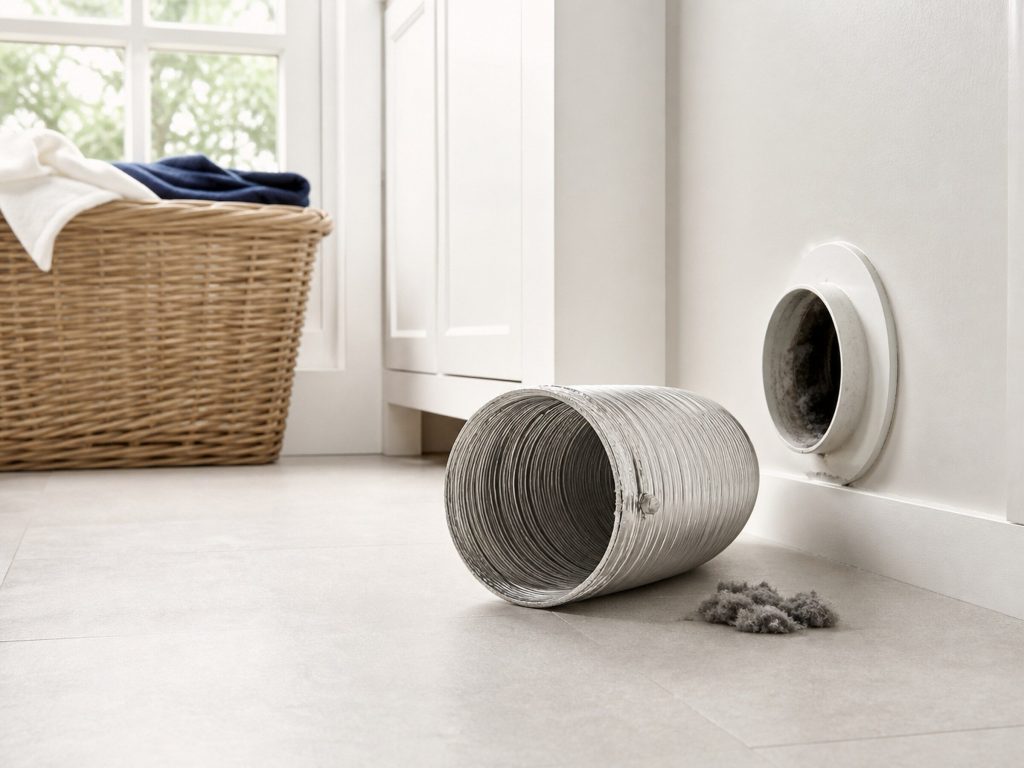
from $125 Dryer vent cleaning
The most valuable job on this list and the least glamorous. A dryer is a fan and a heater, and both depend on air leaving the building. In this county the duct is more often long and horizontal than short and vertical, it carries humid air, and it fills faster than anybody expects — which costs drying time, electricity, and eventually the heating element.
- The duct, end to end, not the lint trap
- Restricted venting is the recognized fire risk
- Usually restores drying in one cycle
-
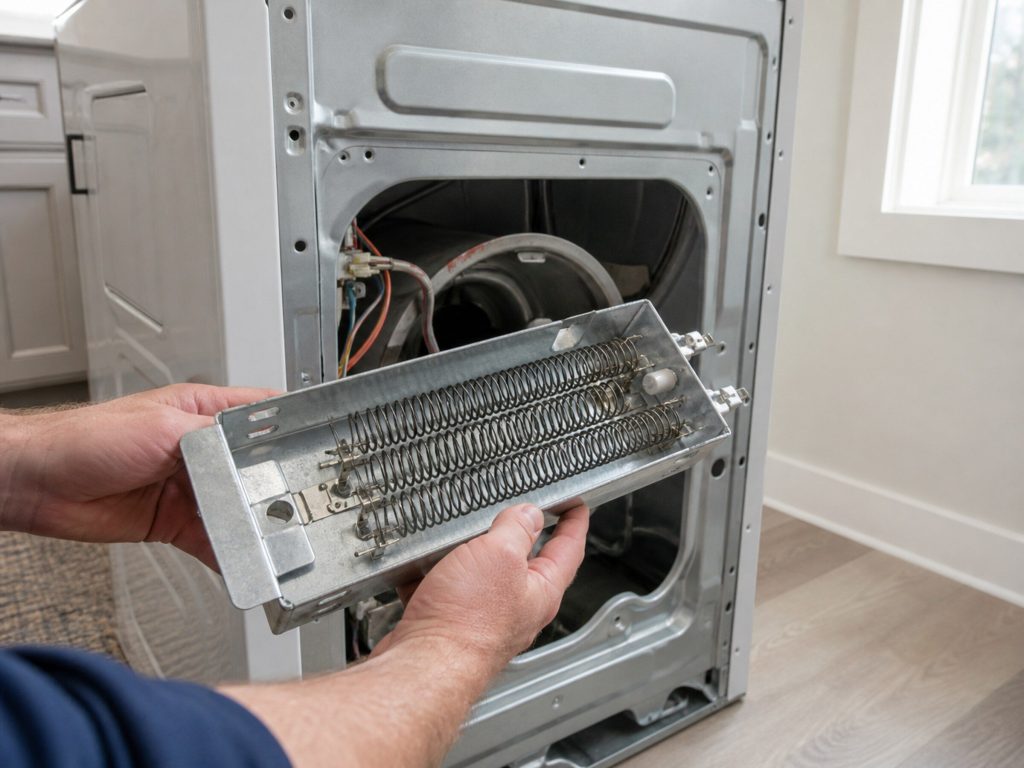
from $185 Dryer heating element replacement
It runs and never gets warm. On an electric dryer that is the element or a thermal cut-out, and the cut-out is very often a symptom of the vent rather than a part that simply aged — which is why this repair and the vent are usually the same visit.
- Element and cut-outs tested as a circuit
- A blown cut-out usually accuses the vent
- Vent checked in the same visit, always
-
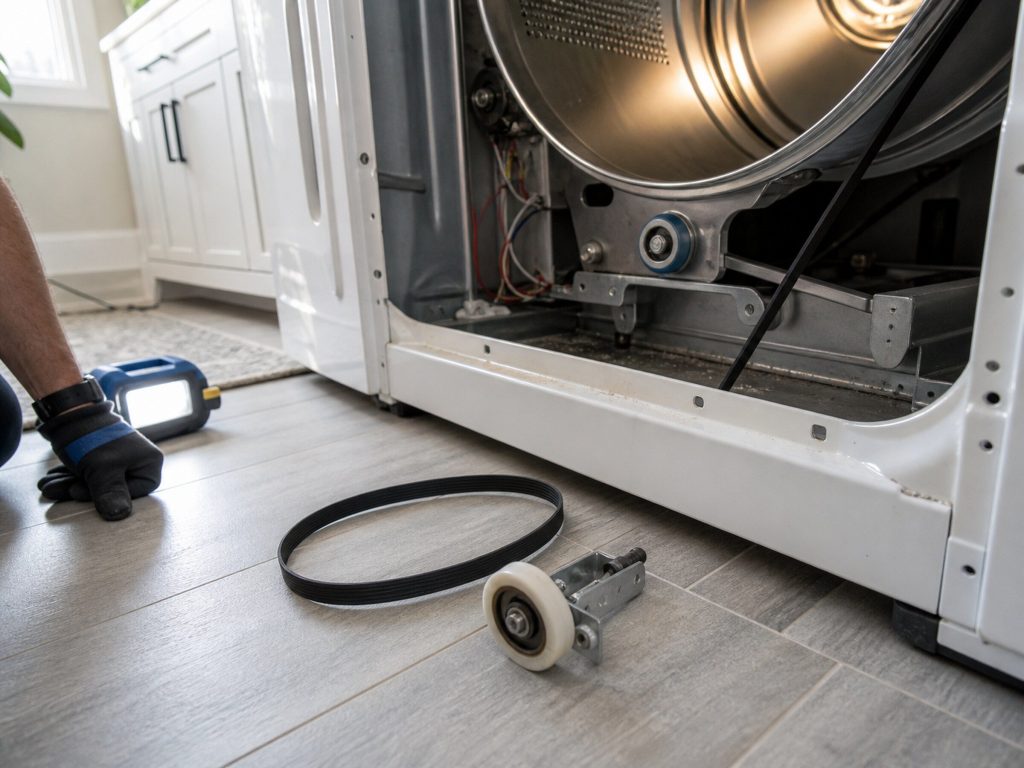
from $175 Dryer drum roller and belt repair
GE dryer drum roller and belt repair is done as a set, because rollers, idler and glides wear together and replacing one of a worn group is how a repair repeats itself in six months. Squealing, rumbling or a drum that will not turn. GE distinguishes dryer noises in their own support article for good reason: a roller or an idler pulley caught early is a cheap repair, and a seized one takes the belt and sometimes the motor with it.
- Cheap now, expensive later
- The noise names the part, if you catch it
- Belt, rollers, idler and glides done together
-
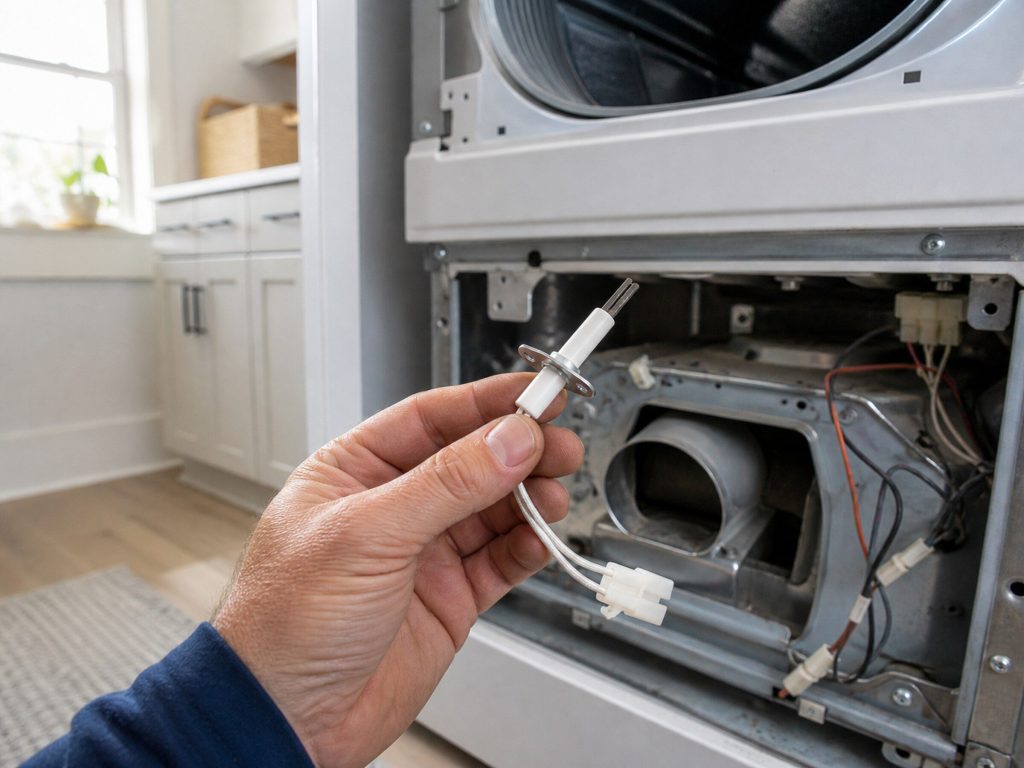
from $195 Gas dryer igniter and valve repair
A gas dryer that tumbles without heat is usually the igniter, the flame sensor or the valve coils, and the three fail in a sequence that is diagnosable by watching one cycle: whether the igniter glows, how long it glows, and whether the flame lights and then goes out.
- Diagnosed by watching one ignition cycle
- Igniter, sensor and coils, in that order of likelihood
- Gas work, done with the meter on it
-
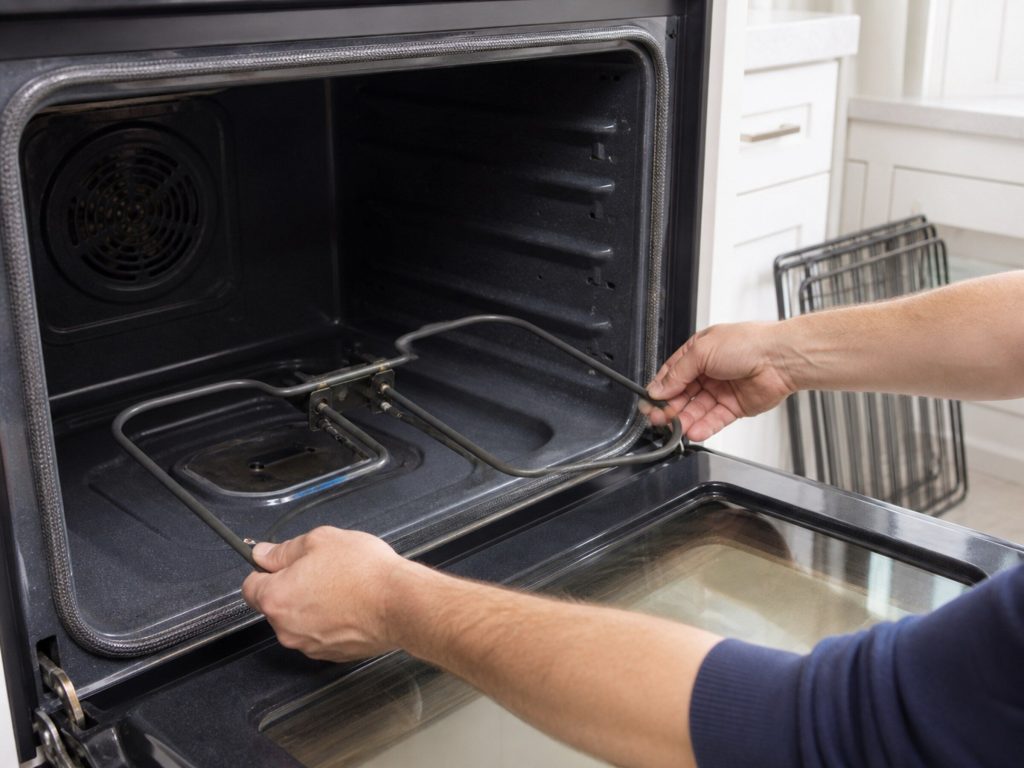
from $175 Oven element replacement
The oven will not heat but the cooktop works — the most useful sentence a customer can say, because it separates the two circuits immediately. On an electric range or wall oven this is usually the bake element, the sensor or the control relay, and GE's own troubleshooting walks the same path.
- Cooktop working narrows it to the oven circuit
- Element, sensor and relay are three different prices
- Visible damage is not always the whole story
-
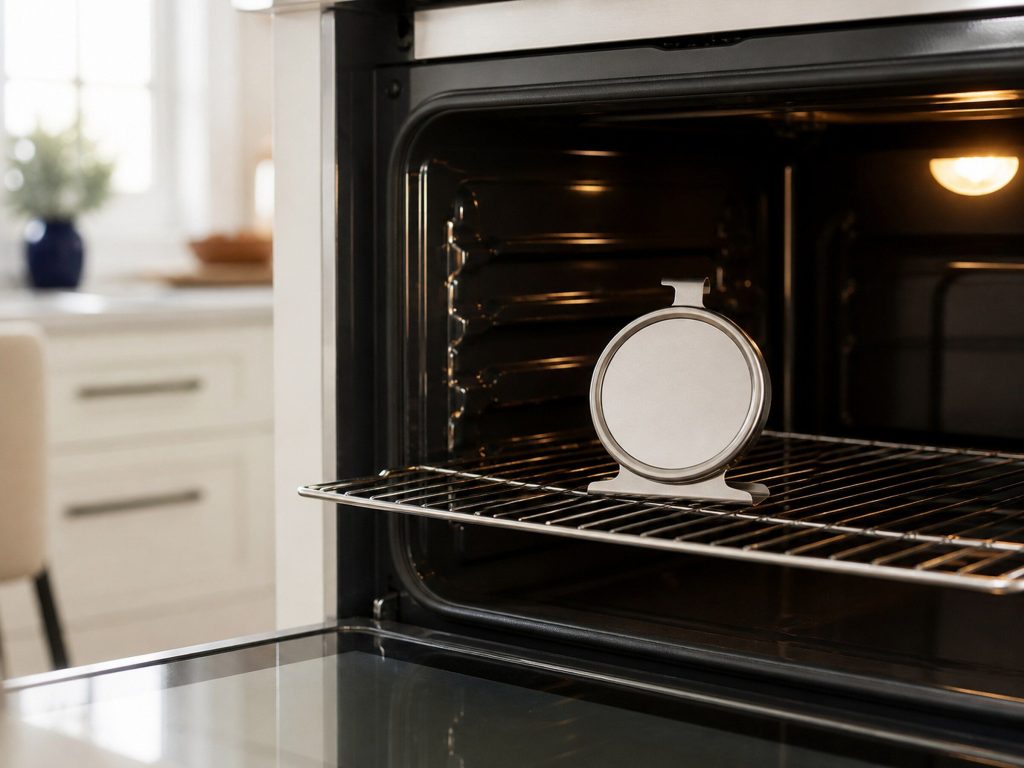
from $155 Oven temperature calibration and sensor
It bakes badly, or it is out by fifty degrees. Many GE ovens can be calibrated, which costs nothing at all, and that is what we try before replacing anything. A sensor that has genuinely drifted is an inexpensive part; a control board quoted for a temperature complaint is usually the wrong answer.
- Calibration tried before any part
- Measured with an independent probe
- Cheap repair, common misdiagnosis
-
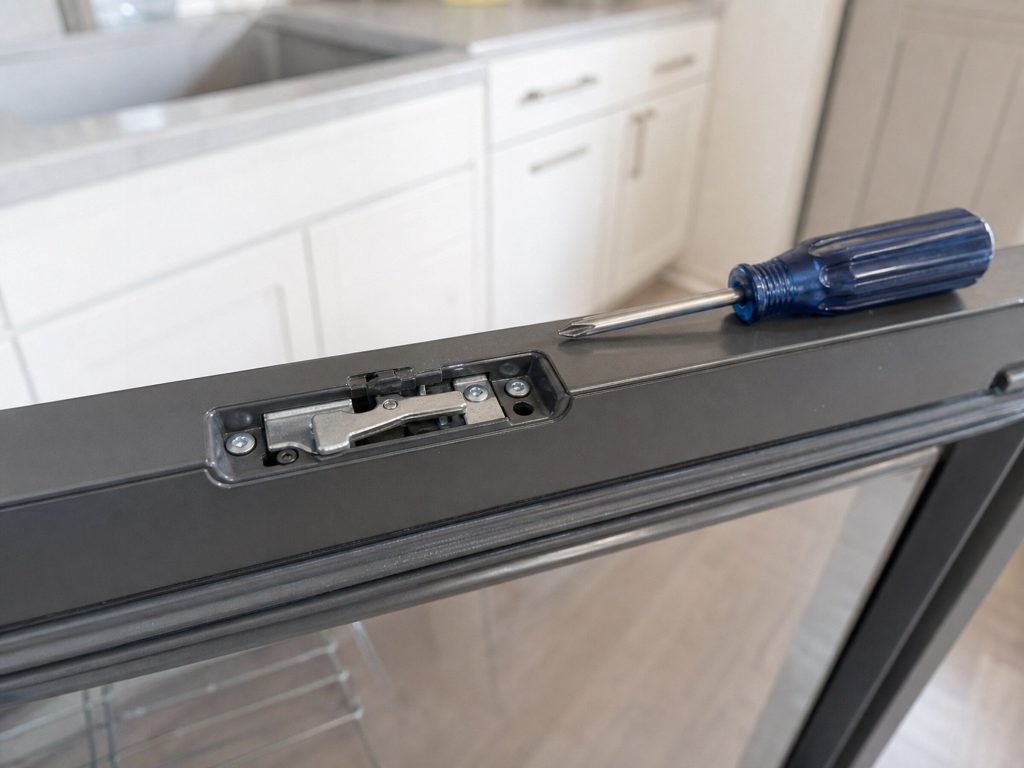
from $185 Oven door and lock repair
The door locked after self-clean and will not open, or LOC DOOR is flashing with no clean cycle running. GE documents this specifically, and the first answer is patience — the lock will not release until the cavity is below a set temperature. If it is cool and still locked, that is the lock motor or its switch.
- Cool first — the lock may be behaving correctly
- F9 and FC both point at this circuit
- Self-clean is when ageing parts give up
-
from $175 Gas range igniter and burner repair
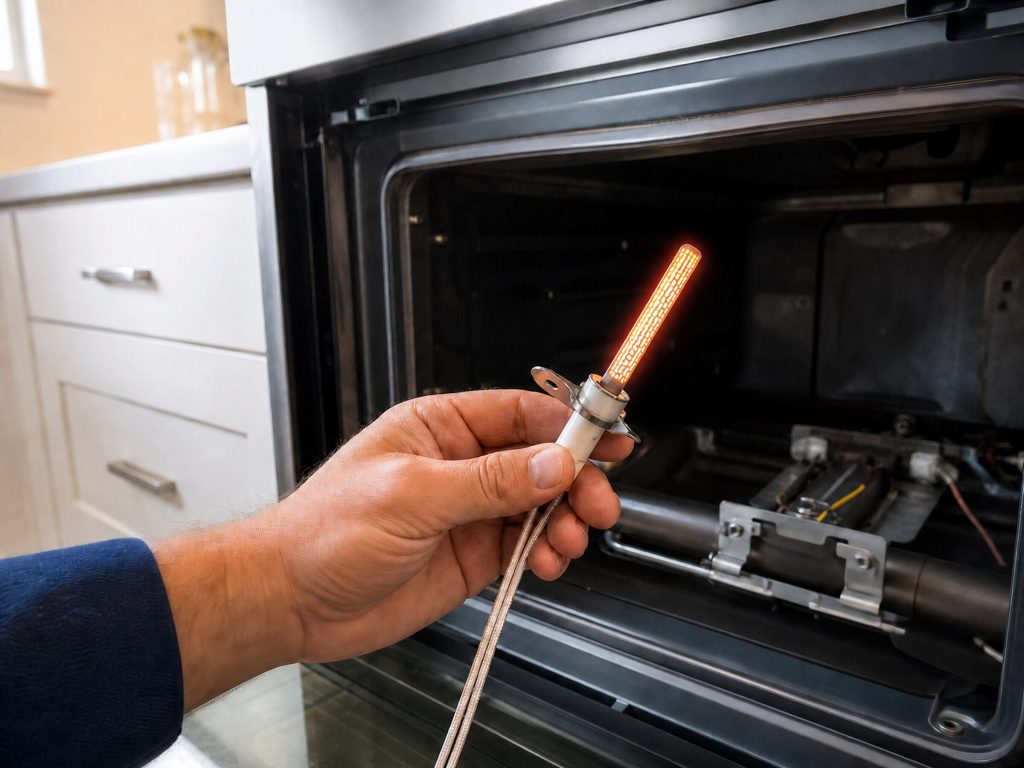
GE range igniter replacement is measured with a meter rather than judged by eye: the igniter has to draw enough current to open the safety valve, and a weak one glows beautifully without ever opening it. A gas oven that will not light, or a surface burner that clicks and never catches. The commonest answer on the oven side is an igniter that still glows but no longer draws enough current to open the valve — which is why it looks like it is working and is not.
- A glowing igniter can still be a failed one
- Clicking burners are usually the electrode or moisture
- Measured with a meter, not judged by eye
-
from $165 Cooktop element and switch repair
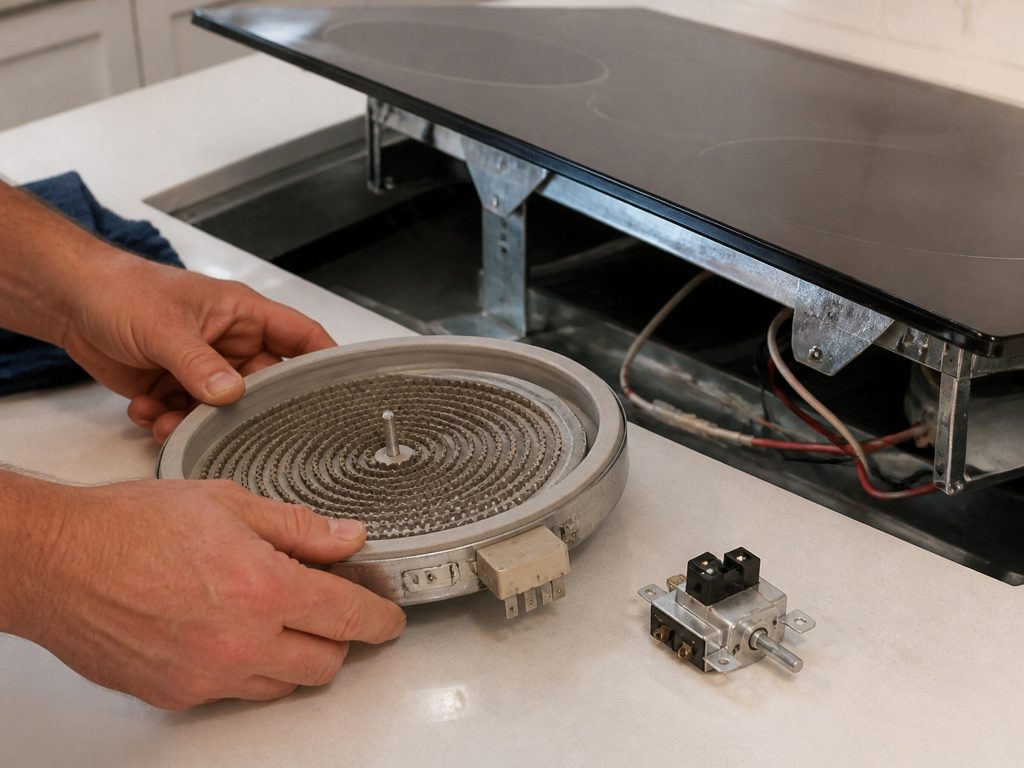
One zone stopped and the rest are fine. On a radiant top that is usually the element or its switch rather than the control — which is good news on price, because a failed control normally takes more than one zone with it.
- A single dead zone points away from the board
- Elements and switches are ordinary parts
- Cracked glass is a stop, not a symptom
-
from $245 Induction cooktop repair
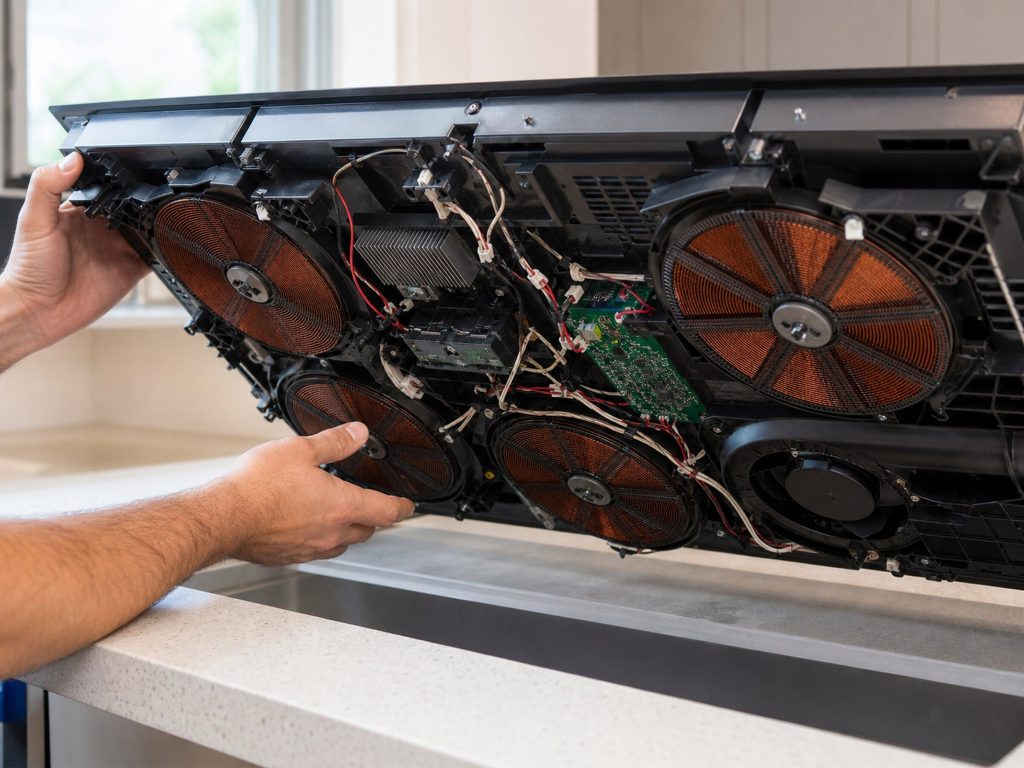
Induction fails in its electronics rather than in elements, zone by zone, and it protects itself by switching off. A top that cuts out during cooking is usually reporting something — an overheated coil, a blocked vent underneath, or a pan it no longer detects — rather than failing at random.
- Cutting out is often protection working
- Ventilation underneath is part of the appliance
- Diagnosed by zone, and by pan
-
from $285 Control board replacement
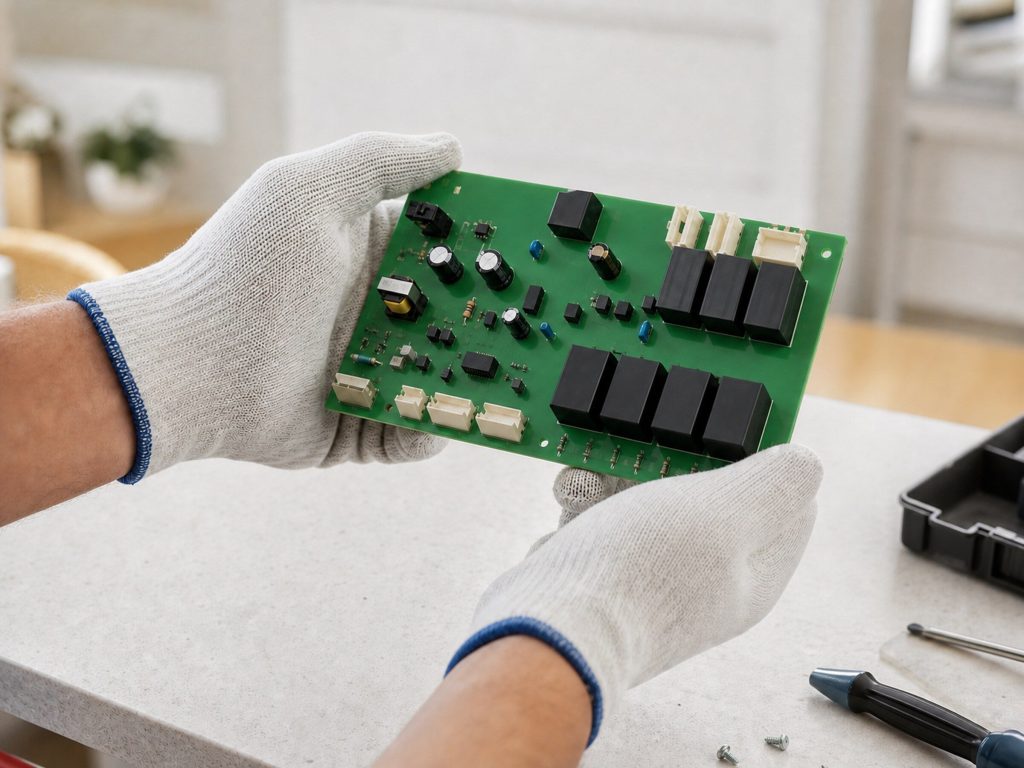
The part most often blamed and least often measured. A control board is real and it does fail, but a sensor, a relay, a connector or a supply problem produces the same behavior for a tenth of the money — so this page exists as much to say when the board is not the answer as to price it when it is.
- Ruled in by measurement, not by elimination-by-guess
- Sensors and relays imitate a failed board
- We say when the arithmetic favors replacement
-
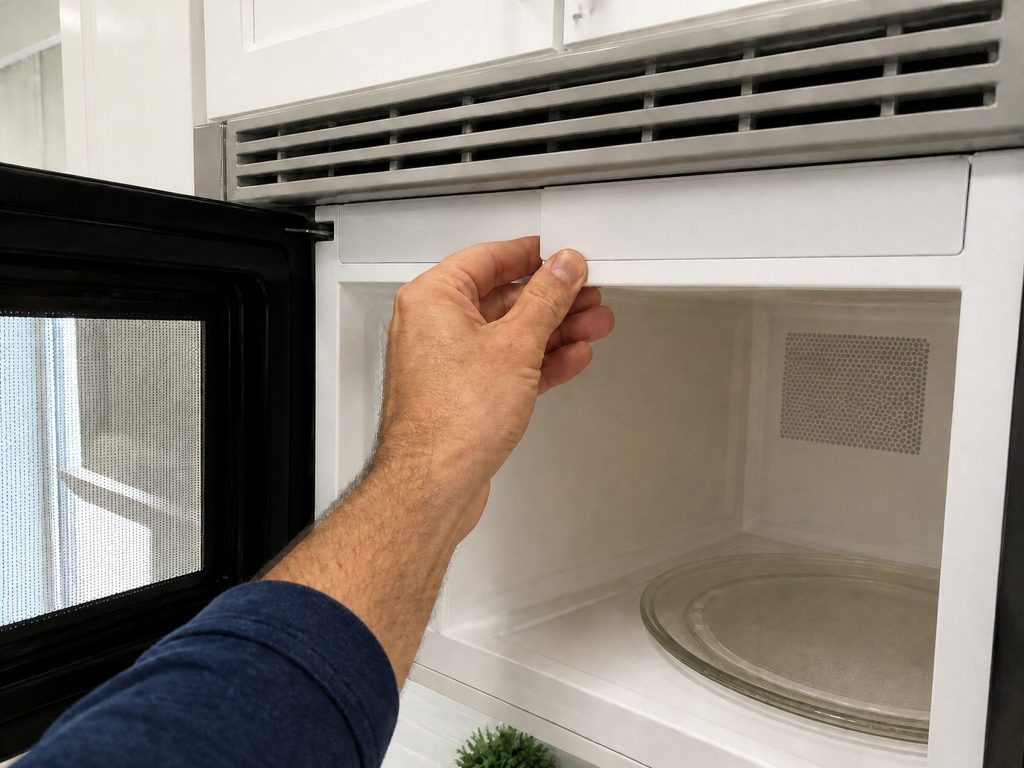
from $155 Microwave repair
Over-the-range, built-in, drawer and countertop. GE publishes a code table for microwaves that is genuinely different from the range table — F3 is the touch pad here and the oven sensor there — and the no-heat symptom is licensed work: a microwave capacitor holds a dangerous charge after the appliance is unplugged.
- The high-voltage side is not a home repair
- Its code table differs from the range's
- Over-the-range units are two appliances in one
-
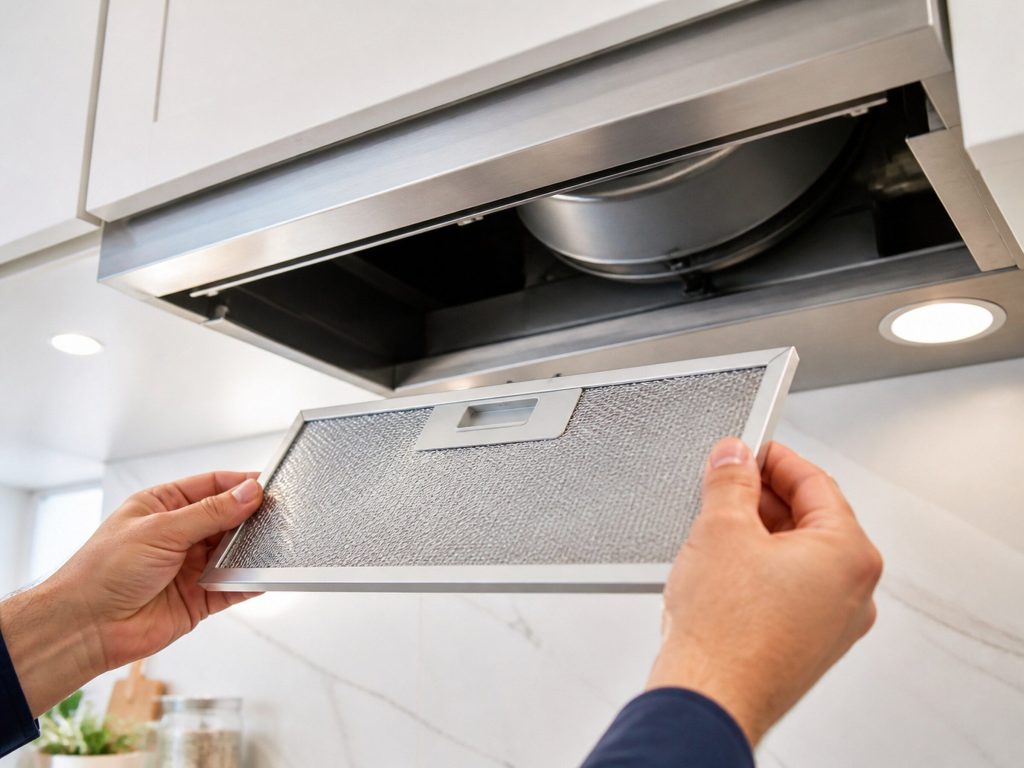
from $145 Range hood repair
Under-cabinet, wall-mounted, island, insert and downdraft. GE publishes no error codes for hoods, so this is diagnosed by what runs and what does not — lights, each fan speed, the damper — and a great many calls end at a filter that nobody knew was a consumable.
- No codes published — diagnosed by what still works
- Charcoal filters are consumables, not parts
- Downdrafts fail mechanically, not electrically
The two worth booking first
A condenser clean and a dryer vent prevent more than they cost
Condenser and airflow service
Where the money actually divides
Most of these repairs are parts you have heard of
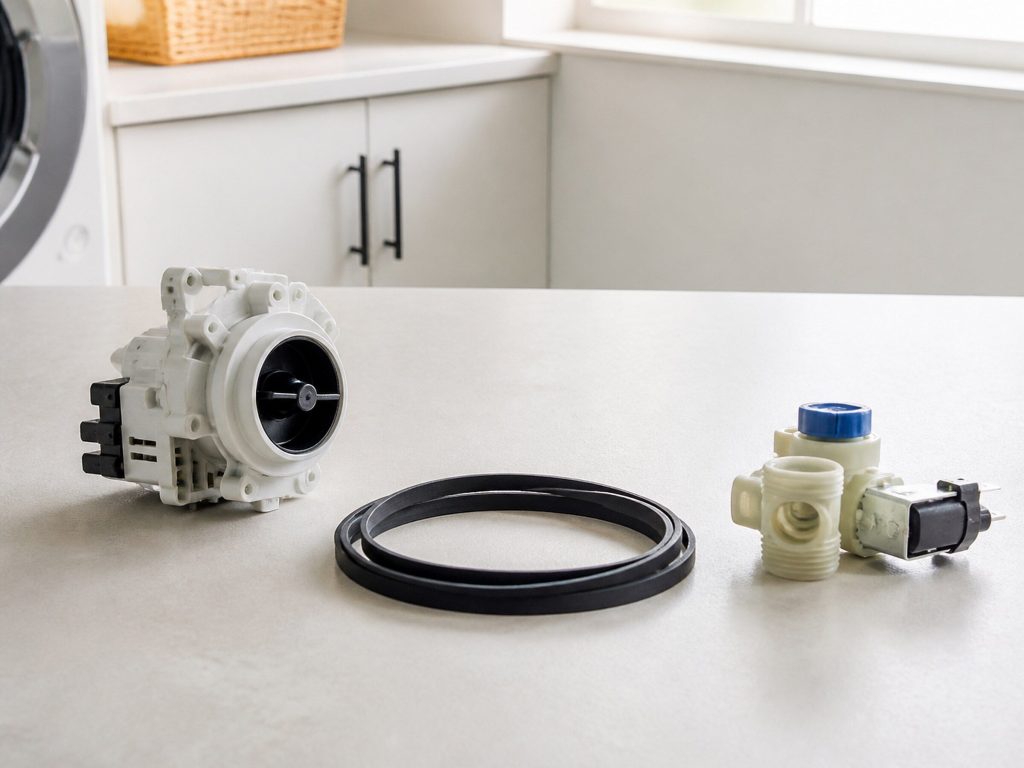
Seals, sensors, elements, pumps, igniters, switches and filters account for the large majority of the work on this make. The sealed system on a refrigerator and the high-voltage side of a microwave are the two places where the numbers change order, and both are ruled in by measurement rather than by symptom. On a brand this size the parts are stocked rather than ordered, which shortens most visits to one.
Before you book
Five minutes that change the visit
Find the model and serial
- The plate is inside the door, behind the kick panel or on the frame.
- GE's serial carries a two-letter date code — the age of the appliance is readable from it.
- That decides what is worth spending as much as the symptom does.
Photograph anything on the display
- Ranges and microwaves show codes; dishwashers report with blinking patterns.
- Both are erased the moment power is cut, so photograph before resetting.
- The same code means different things on different appliances.
Check the free causes
- A dishwasher that will not drain: run the disposer, and check its plug was removed if it is new.
- A dryer that will not dry: feel the air at the outside vent.
- A refrigerator that never got cold: look for DE on the display.
By appliance
Every appliance we cover
Every job on this page belongs to at least one of these. Start from the appliance if you would rather.
-
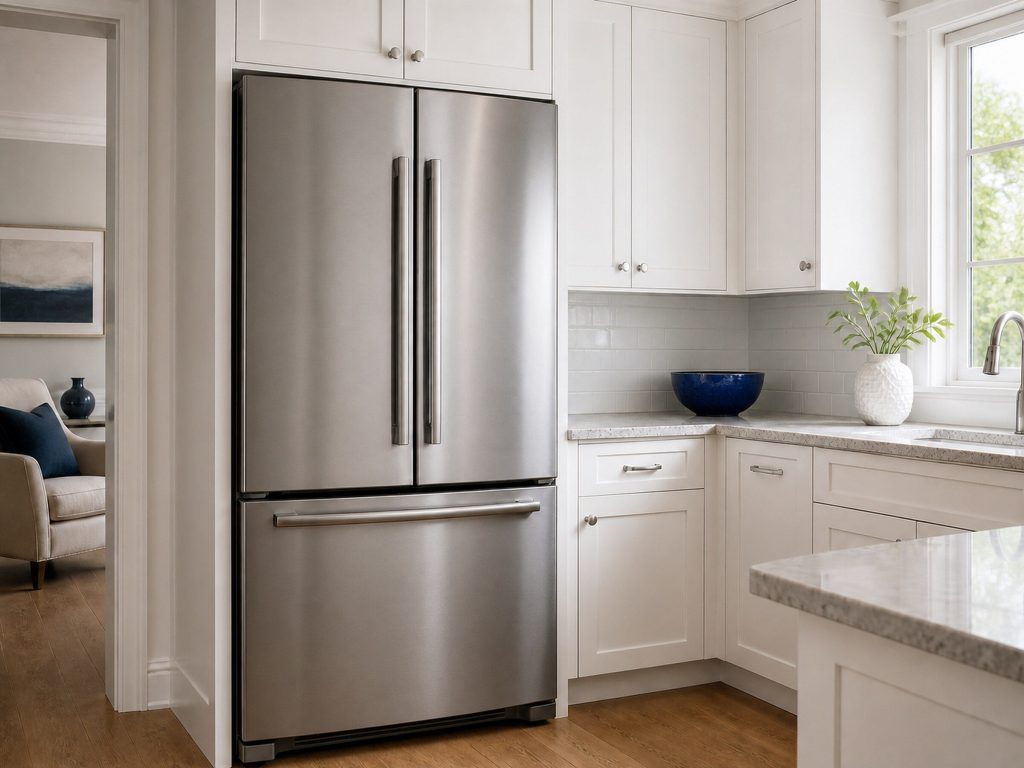
French door · side-by-side · top and bottom freezer · built-in Refrigerators
The largest half of what GE builds, and the appliance most South Florida kitchens have two of. French door, side-by-side, top-freezer, bottom-freezer and the built-in columns, across GE, GE Profile, Café and Hotpoint. Most of what we are called out to here is not the sealed system: it is the dispenser, the icemaker, the defrost circuit or a door that stopped sealing in a house where the air is wet nine months of the year.
- All four door layouts, plus built-in columns
- Icemaker and dispenser work is most of the call volume
- GE, GE Profile, Café and Hotpoint share most parts
-
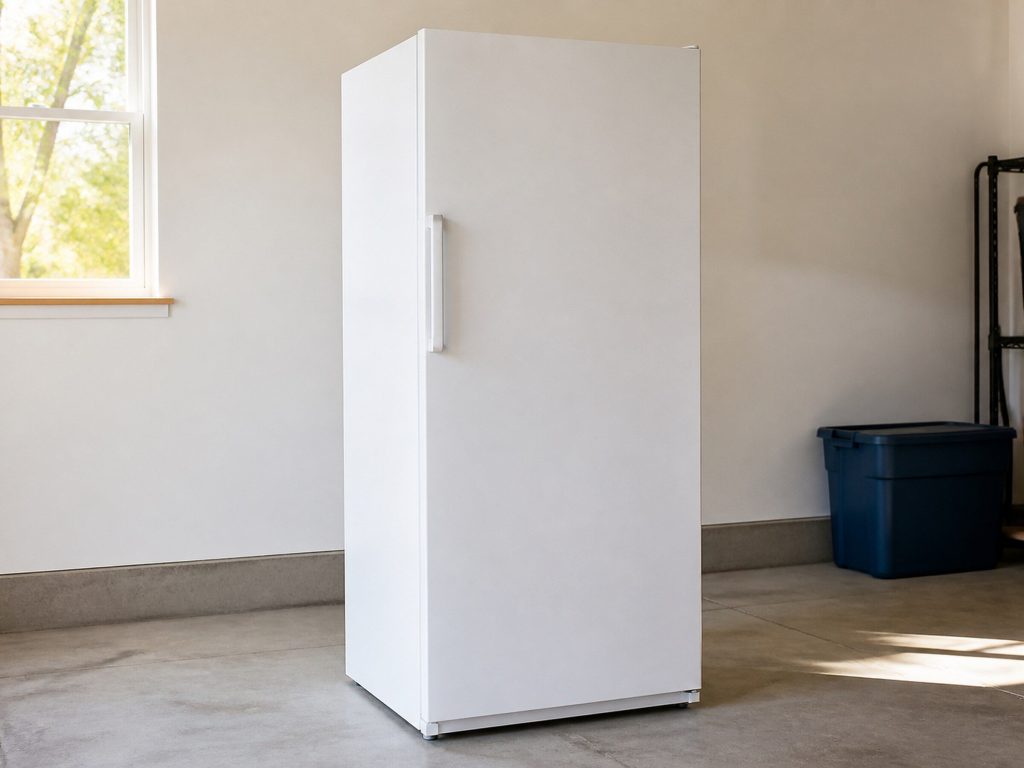
Chest and upright · garage-ready models Freezers
Chest and upright freezers, including the garage-ready models that matter here more than almost anywhere: a freezer in an unconditioned Florida garage is being asked to work in ambient temperatures its ordinary sibling was never designed for. Most freezer calls in this city are about where the appliance lives as much as what has broken inside it.
- Chest and upright, including garage-ready
- Ambient temperature is half the diagnosis here
- A freezer failing quietly costs more than the repair
-
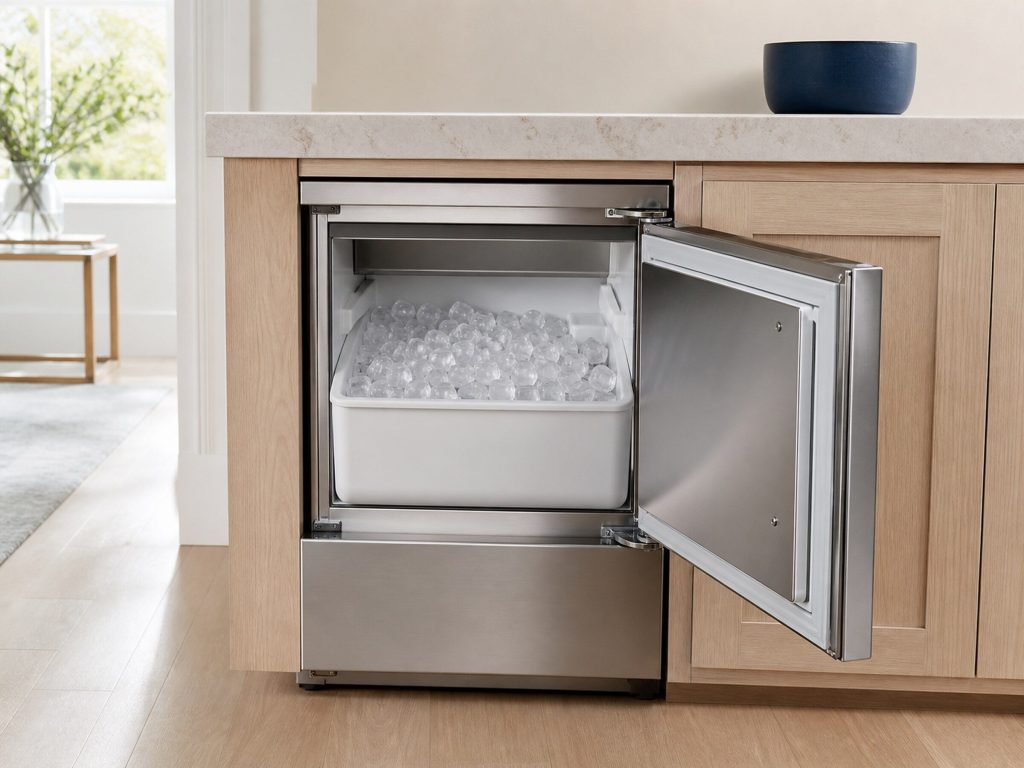
Built-in and undercounter · nugget and cube Ice makers
Standalone and undercounter ice makers, separate from the icemaker inside a refrigerator and a different appliance to repair. In South Florida these run harder than anywhere: entertaining outdoors, water that scales quickly, and a machine that is asked to produce all year rather than in summer bursts. Scale is what ends most of them, and scale is preventable.
- Standalone and undercounter units, not fridge icemakers
- Scale ends more of these than any component does
- GE publishes no error codes for built-in ice makers
-
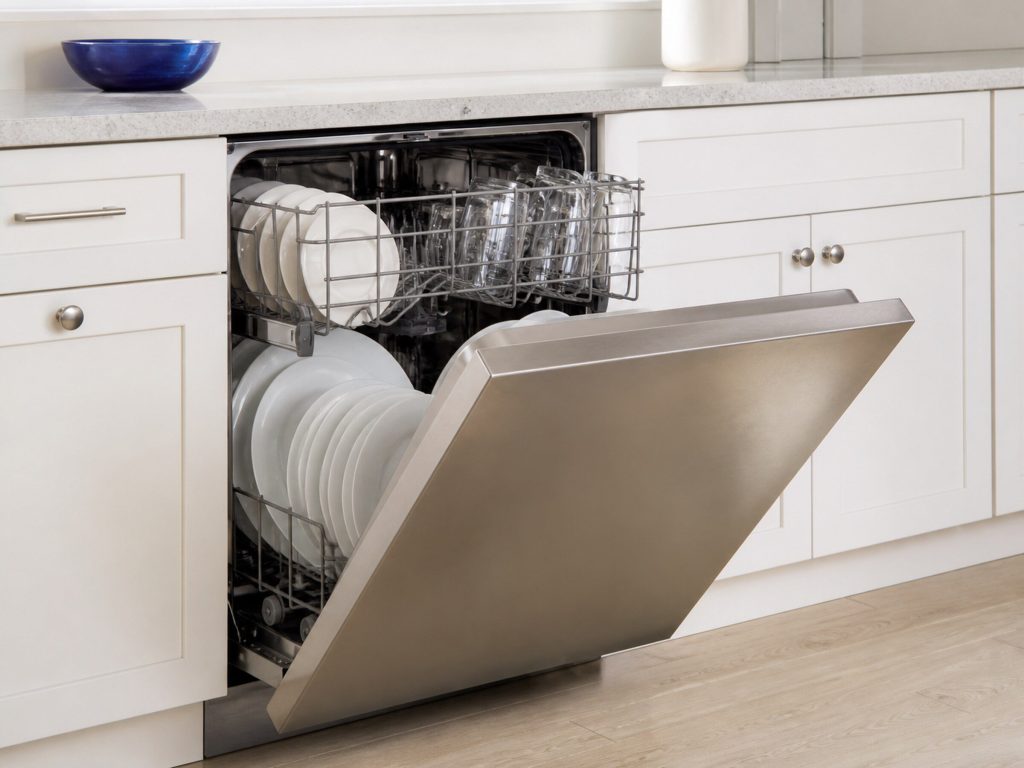
Built-in · compact · portable Dishwashers
Built-in, compact and portable dishwashers across GE, GE Profile, Café and Hotpoint. Two problems account for most of the calls — it will not drain, or it does not get the dishes clean — and a good share of both end outside the machine entirely, at the sink connection, the disposer plug or the water temperature reaching it.
- Draining and wash performance are most of the work
- A new disposer with an unremoved plug is a classic
- Blinking lights are a signal, and they mean something
-
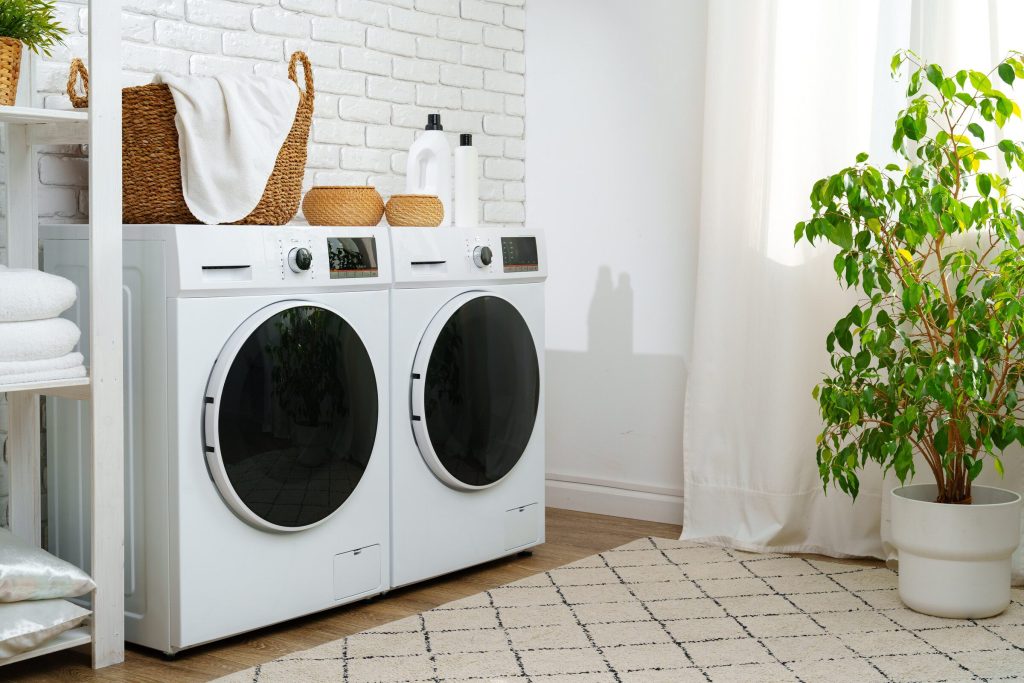
Top load and front load · including HydroWave Washers
Top-load and front-load washers, including the HydroWave machines whose ordinary running noises GE documents specifically because they alarm people. The three calls that dominate are will not drain, will not spin and leaking — and on a front loader, a fourth that is not a repair at all: a door seal that has been holding water and growing something.
- Draining, spinning and leaking are most of it
- GE documents which noises are normal — some are
- Front-load seals need maintenance, not repair
-
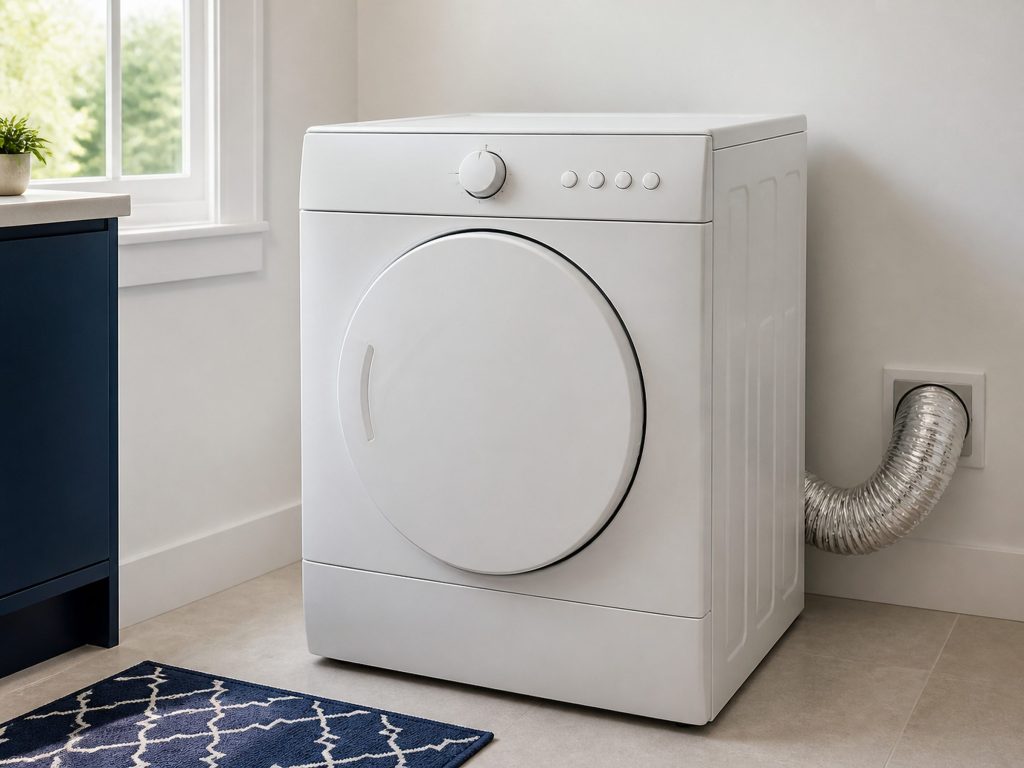
Electric and gas · vented and condensation Dryers
Electric and gas dryers, vented and condensation. The single most common call — it runs but the clothes are still wet — is usually not the dryer: it is the vent. In this county that duct runs through humid air and often through a long horizontal path, and a restricted one costs drying time, electricity and eventually the heating element it overheats.
- Takes too long to dry is usually the vent
- A restricted vent is a safety issue, not just a slow one
- GE publishes no error codes for basic dryers
-
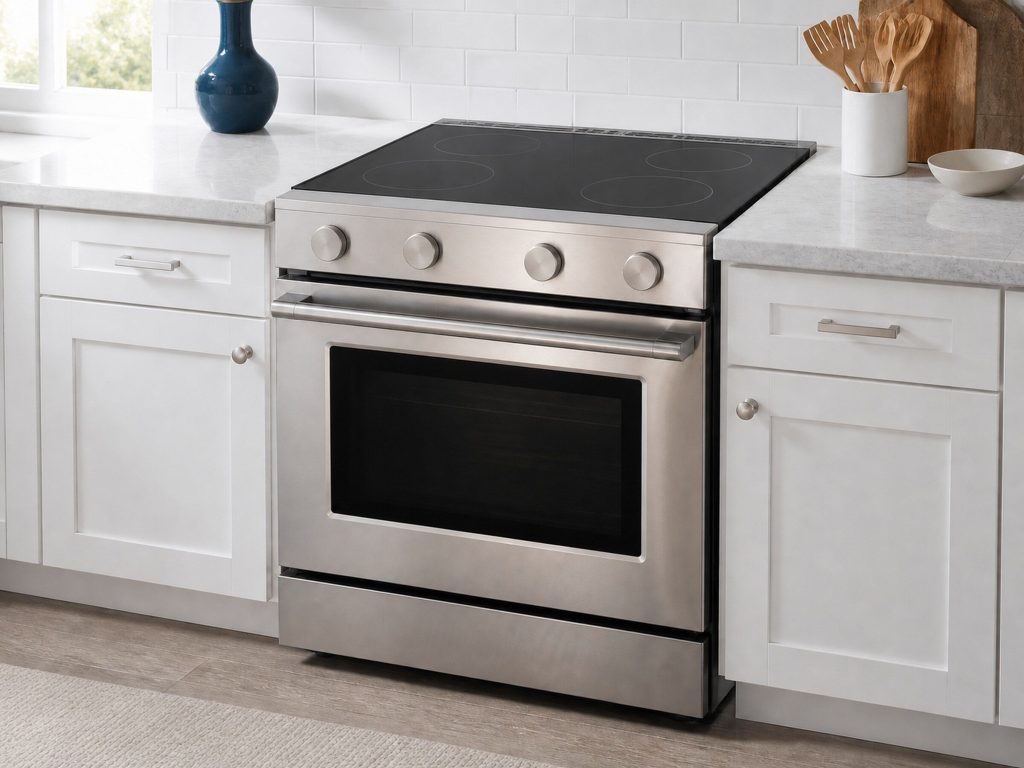
Electric · gas · induction · dual fuel · double oven Ranges
Freestanding and slide-in ranges in every fuel GE sells: electric, gas, induction and dual fuel, single and double oven. This is the appliance that reports itself most clearly — GE publishes a table of the codes a range displays — and also the one where the display is most often misread, because half those codes point at the same circuit.
- Electric, gas, induction and dual fuel
- GE publishes a code table for these — we read it, not guess
- Self-clean is behind a surprising share of the calls
If it is not on this list
This list is what we publish, not the limit of what we repair
If your GE is doing something that is not on this page, it is still worth a call. The list is the work that comes up often enough to describe; it is not the edge of what we can do.
Before you book
The questions this page is asked
Do you charge for the diagnostic?
Yes, from $95, and it comes off the bill when you go ahead with the repair. It pays for the diagnosis, which is the work.
Do you work on GE Profile, Café and Hotpoint as well?
Yes. All four share most of their engineering, and a part discontinued under one badge is often current under another — which keeps repairs viable on older machines longer than the model year suggests.
Will you tell me if a repair is not worth doing?
Yes, and we would rather do it before the work than after. GE's date code tells us the age of the appliance before we quote, and that is usually what decides it.
Do you use original parts?
OEM parts where they are available, and we tell you when an equivalent is what is being fitted. We are an independent repair company with no affiliation to the manufacturer, and we warrant our own workmanship.
In more detail
What GE repair actually involves in Miami
Why this list is longer than most
GE builds a fuller range than almost any maker we work on, and the honest consequence is that this page covers cooking, laundry and refrigeration rather than one of them. The advantage for you is that one visit usually covers the kitchen and the laundry room together.
Four badges, one set of engineering
GE, GE Profile, Café and Hotpoint differ mostly in door, finish and control. For a repair that matters more than it sounds: it widens the parts available for an older machine, and it means a diagnosis on one badge usually transfers to the others.
Tell us the model number and what it is doing.
That, and a photograph of anything on the display. You will have the scope and the price in writing before anything is opened.
This article is based on:
- Official manufacturer documentation
- Internal repair procedures
- Technician repair history
- Company quality standards