Appliance
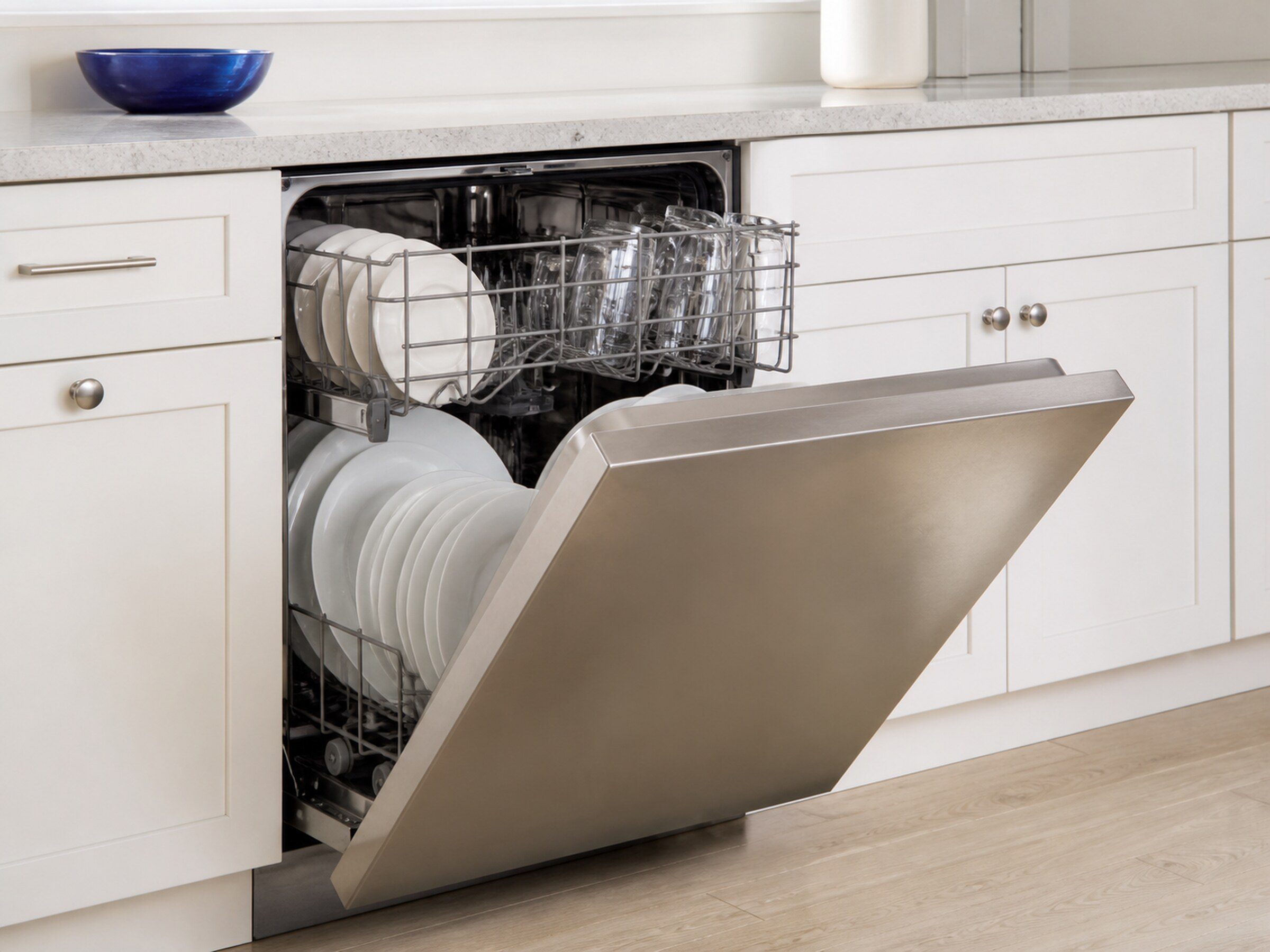
GE dishwashers
Built-in, compact and portable dishwashers across GE, GE Profile, Café and Hotpoint. Two problems account for most of the calls — it will not drain, or it does not get the dishes clean — and a good share of both end outside the machine entirely, at the sink connection, the disposer plug or the water temperature reaching it.
- 3 symptoms we are called out to
- From $95 diagnostic, credited to the repair
- 59 cities and neighborhoods covered
- OEM parts available on order
The short version
What this equipment is, for a repair
Configurations
Built-in · compact · portable
Access
Planned before the visit, not discovered on arrival
Parts
OEM, available on order
Diagnostic
From $95, credited to the repair
What goes wrong with it
Symptoms we are called out to on GE dishwashers
Each one covers the likely causes in the order they are worth checking, and what to do in five minutes before booking anything.
-
Water standing in the bottom after every cycle Dishwasher not draining
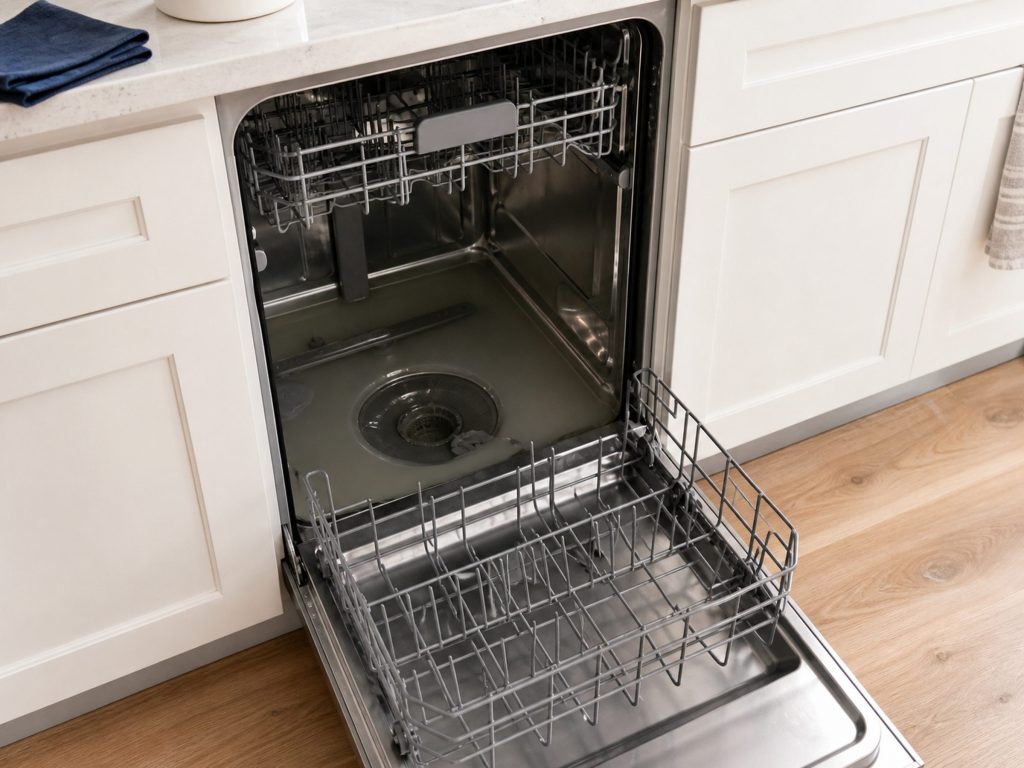
The most common dishwasher call, and GE's own troubleshooting starts outside the machine: the air gap, the drain hose and the disposer. The single most frequent cause in a house with a recently installed disposer is a plastic plug that was never knocked out — which is not a dishwasher repair at all.
- Water left in the tub at the end
- C1, C2, C3 or FTD on the display
- Started after a new disposer was fitted
-
It runs a full cycle and the dishes are still dirty Dishes not coming out clean
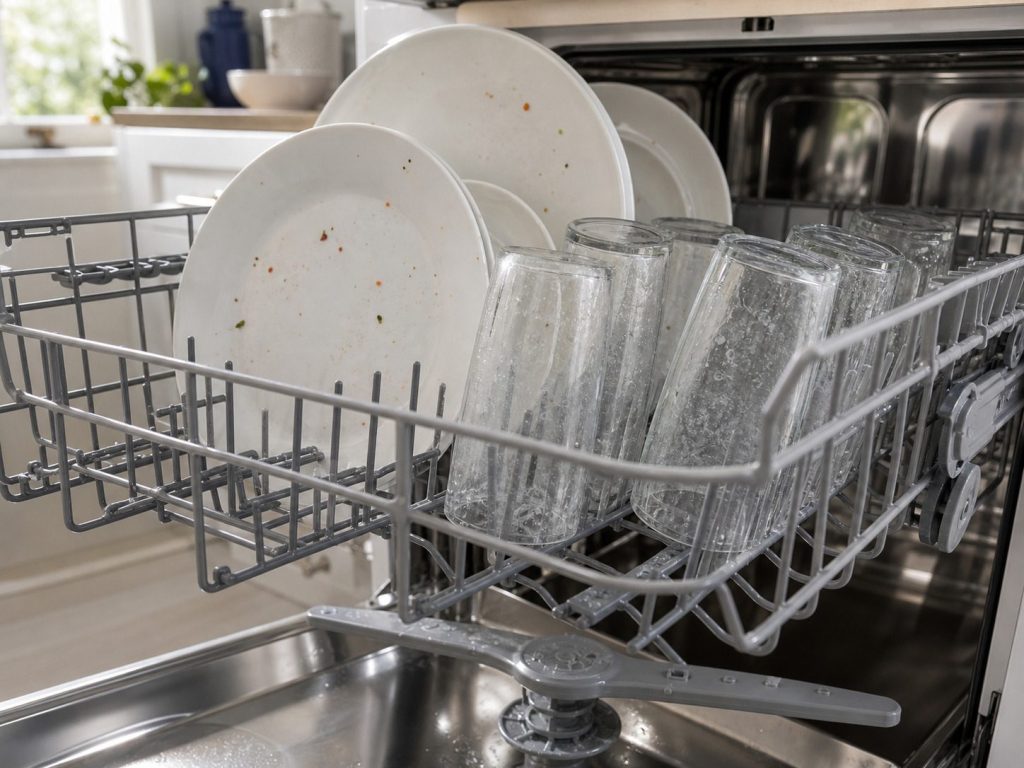
GE's own guidance names water temperature first, and they are specific: the water arriving at the dishwasher should be at least 120°F. In a house where the kitchen is a long way from the water heater, it is not — and no part fixes a pipe run. After temperature it is the filter, the spray arms and how the machine is loaded.
- Film, grit or food left after a full cycle
- Glassware cloudy rather than dirty
- One rack clean and the other not
-
The lights are on but nothing happens Dishwasher will not start
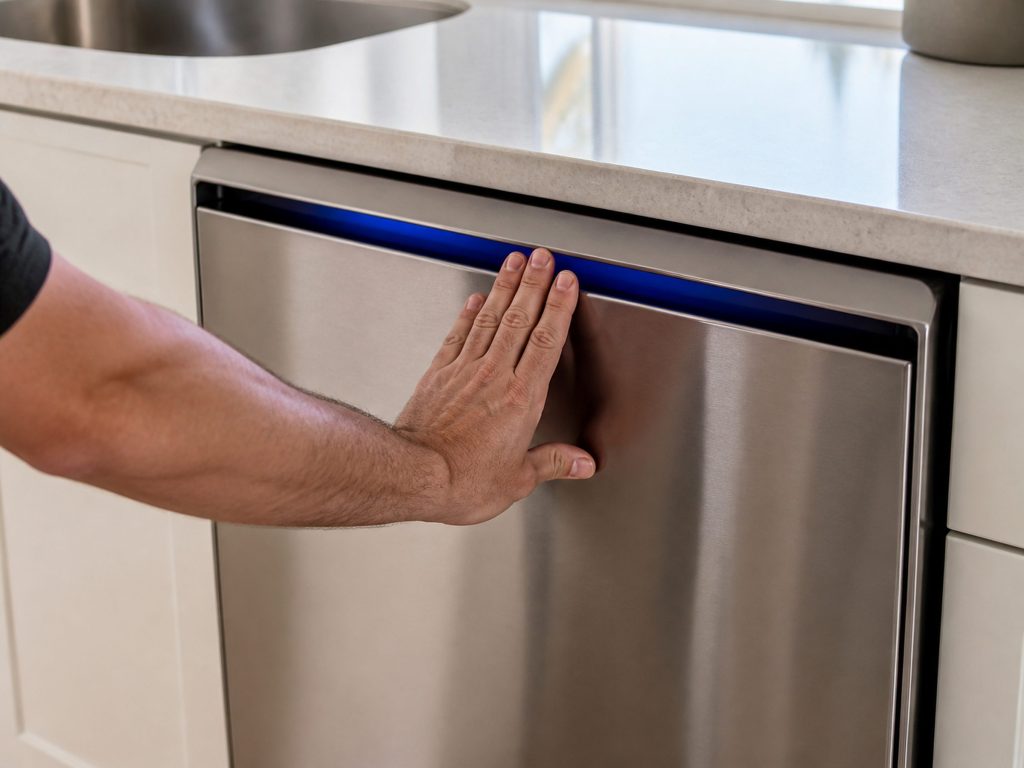
Before anybody quotes a control board — and this appliance gets a board quoted more often than any other in the kitchen — there are three cheap things that stop a dishwasher completely: the door latch and its interlock, a delay start that somebody set, and the detergent cup reminder. GE publishes all three.
- Panel lights up but the cycle never begins
- A number followed by H on the display
- It hums or beeps and stops
What we do on it
Repairs we carry out on GE dishwashers
Starting figures for this equipment in South Florida. The exact cost is confirmed after an on-site diagnostic — and this is not the whole list of what can go wrong, so call if your problem is not here.
-
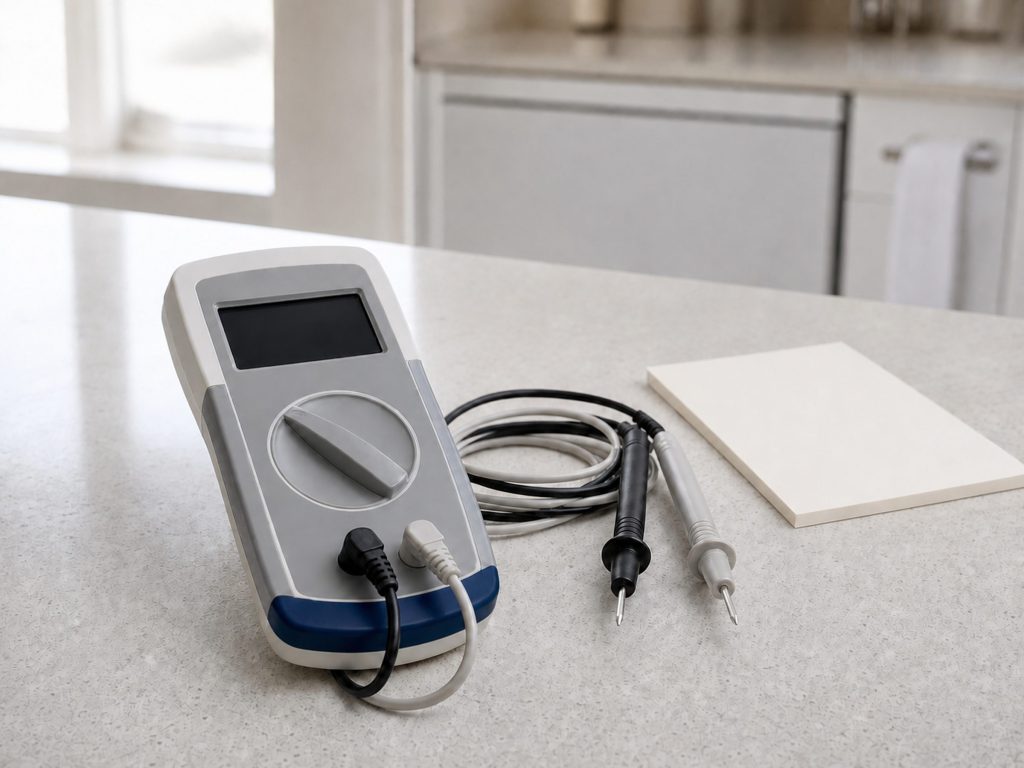
from $95 Diagnostic visit
We find out what is actually wrong before anybody quotes a part. On a GE that starts with the two things their own support pages start with — what the appliance is reporting, and whether anything outside it is the cause — because a dryer that will not dry is usually a vent and a dishwasher that will not drain is often a disposer. The fee is credited toward the work when you go ahead.
- What the appliance reports, read rather than guessed
- The causes outside the appliance ruled out first
- Credited toward the repair
-
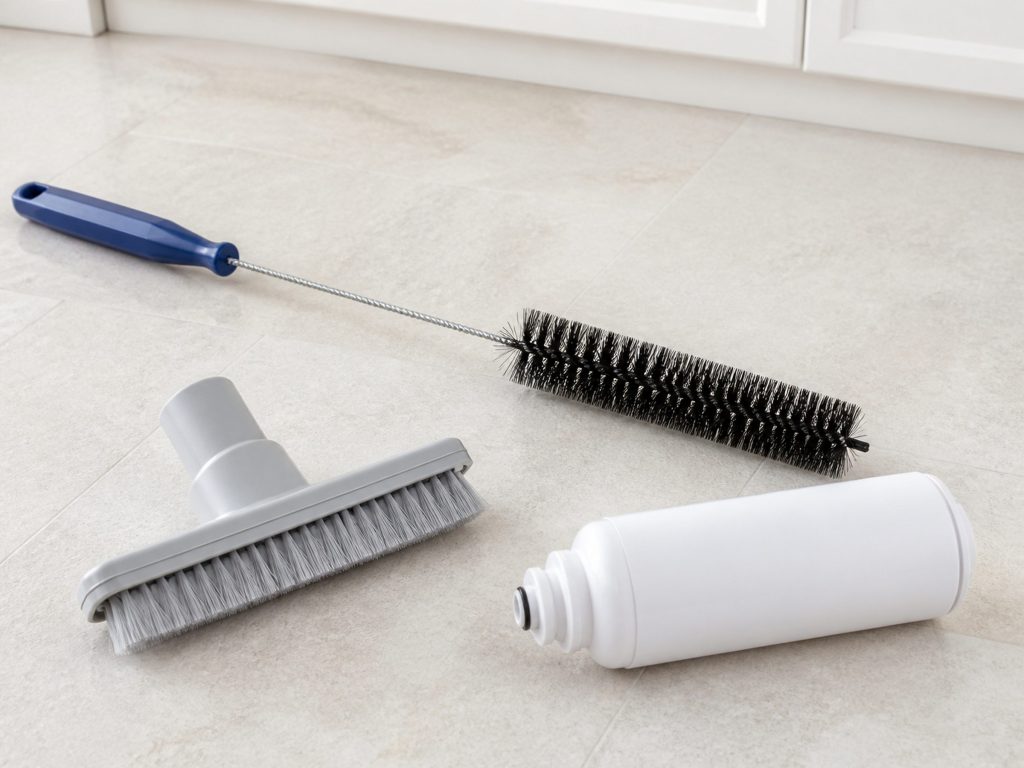
from $129 Appliance maintenance
The visit that prevents the expensive one. Condenser coils in a city where floors carry dust and hair, a dryer vent that has been quietly filling for three years, an ice machine scaling on hard water, filters that are past their interval. None of it is glamorous and all of it is cheaper than what it prevents.
- Condensers, vents, filters and seals in one visit
- Priced per appliance, cheaper together
- The findings written down, not just the work
-
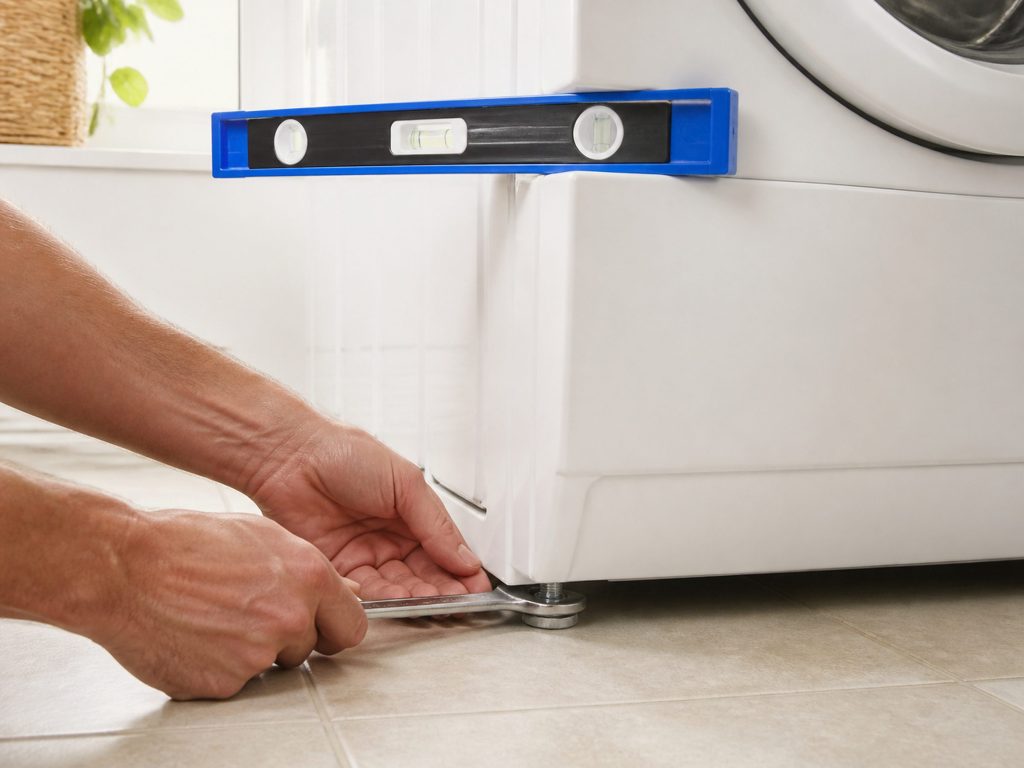
from $149 Appliance installation
Installation done so the appliance can be serviced later, and so it performs the way its specification says. A built-in that has no clearance loses cooling every August, a dryer vented into a long horizontal run never dries in one cycle, and a dishwasher connected to a new disposer with the plug still in it will hold water from the first cycle.
- Clearances the specification asks for, not the ones the cabinet allows
- The disposer plug, the high loop, the vent run
- Leveled, aligned and tested before we leave
-
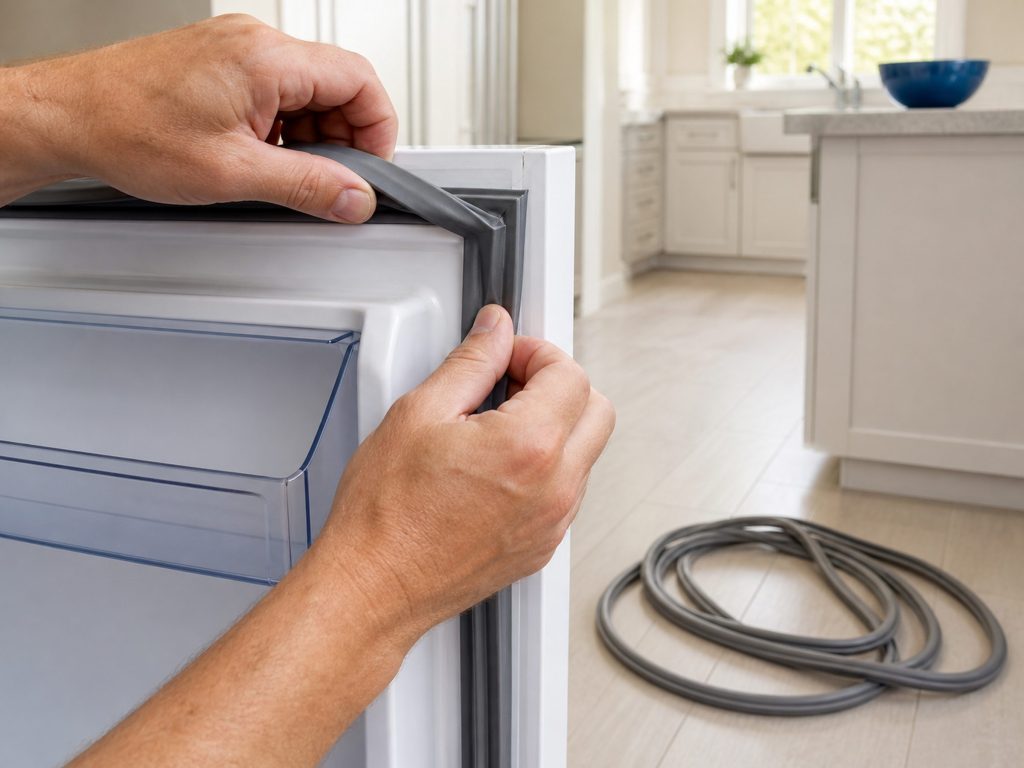
from $155 Door seal replacement
The cheapest repair on a cold appliance and the one that costs the most when it is ignored. In a climate this wet, a seal that has lost its grip lets humid air in all day; the defrost system then spends its life clearing ice it should never have had to make, and the power bill climbs before anybody looks at the door.
- Hinge-side failure first — that is where seals go
- Frost, run time and the power bill are the symptoms
- Alignment checked at the same time, always
-
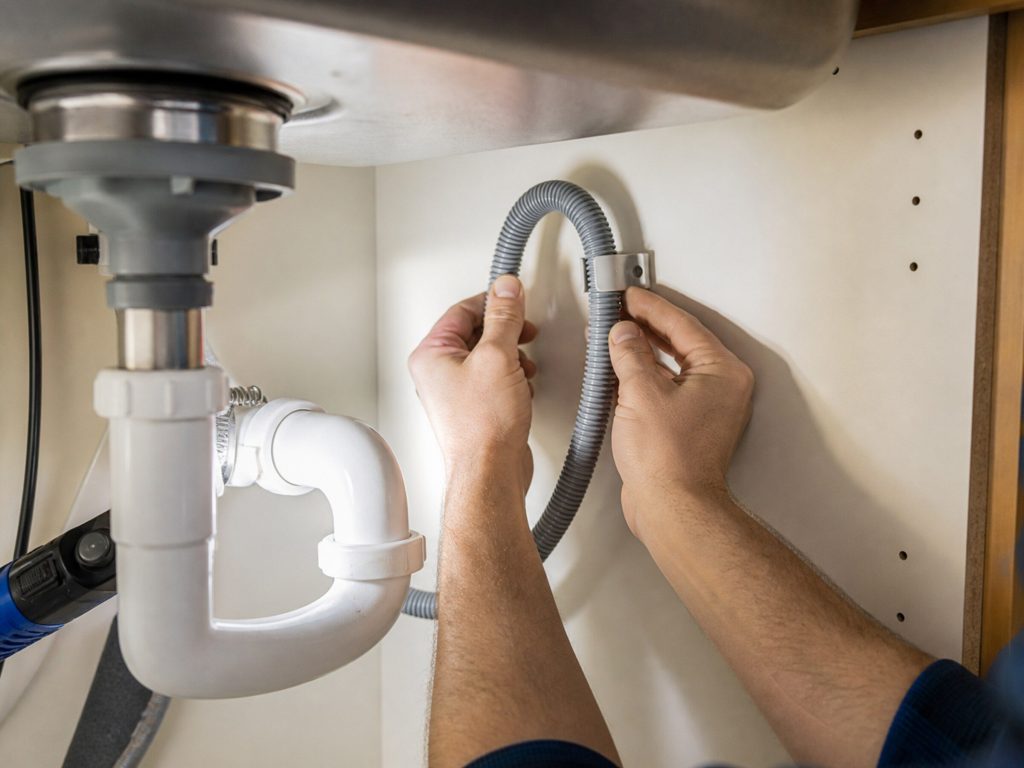
from $155 Dishwasher drain repair
Water standing in the bottom, and a repair that very often lives outside the machine. GE's own list starts at the drain hose and the disposer, and it is right: a disposer installed without knocking out the dishwasher plug will hold water in the tub every single cycle, and so will a hose that has lost its high loop.
- The disposer plug and the high loop first
- Filter and sump before the pump
- The pump is the expensive one and the rarer one
-
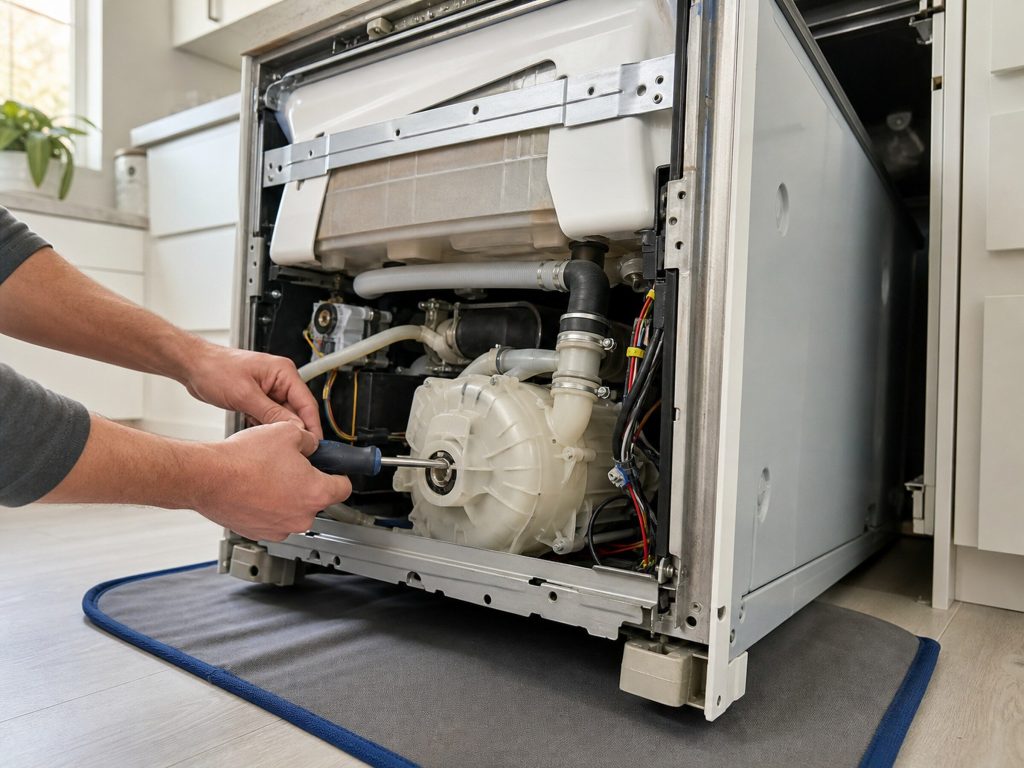
from $245 Dishwasher pump replacement
Circulation or drain pump, replaced when it is the pump and not the path to it. On an entry-level machine this is the repair where the arithmetic starts to matter, and we would rather have that conversation with you before the part is ordered than after it is fitted.
- Tested before it is condemned
- The point where cost and replacement meet
- Seals and gaskets renewed with it
-
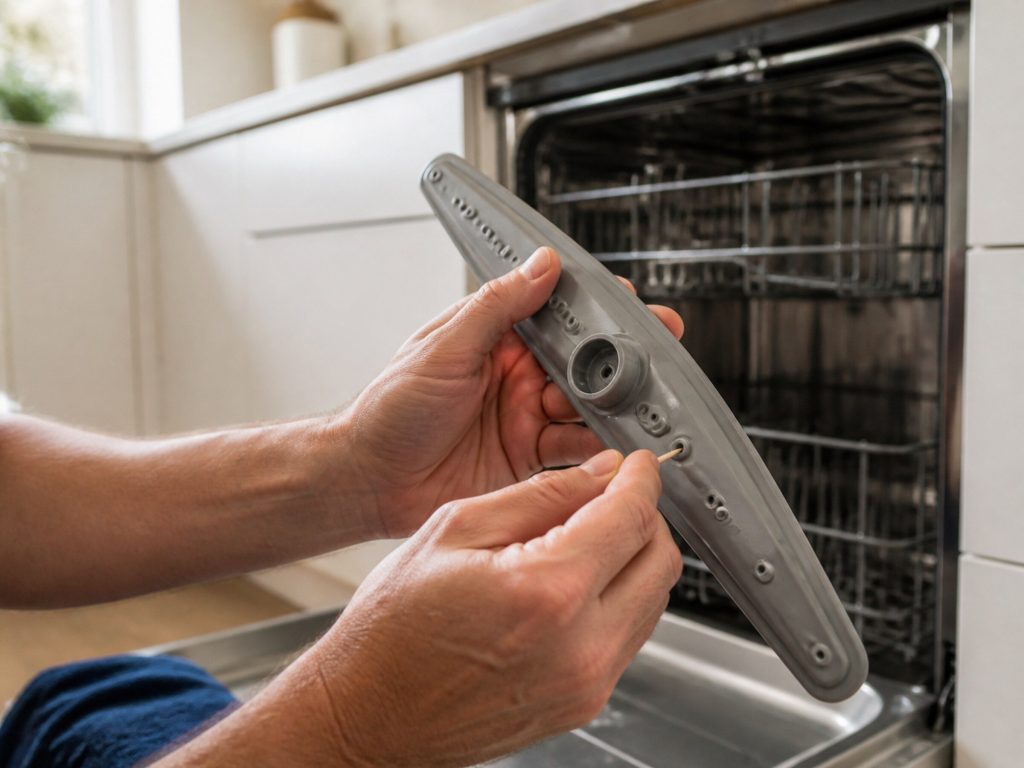
from $135 Dishwasher wash performance service
It runs and the dishes come out dirty or gritty. GE's own guidance names water temperature, the filter and loading, in that order, and the temperature one catches people out: they recommend water arriving at 120°F, and a long pipe run from a distant heater will not deliver that on the first fill.
- Water temperature at the machine, measured
- Filter and spray arms before any part
- Grit points at the filter, not the pump
-
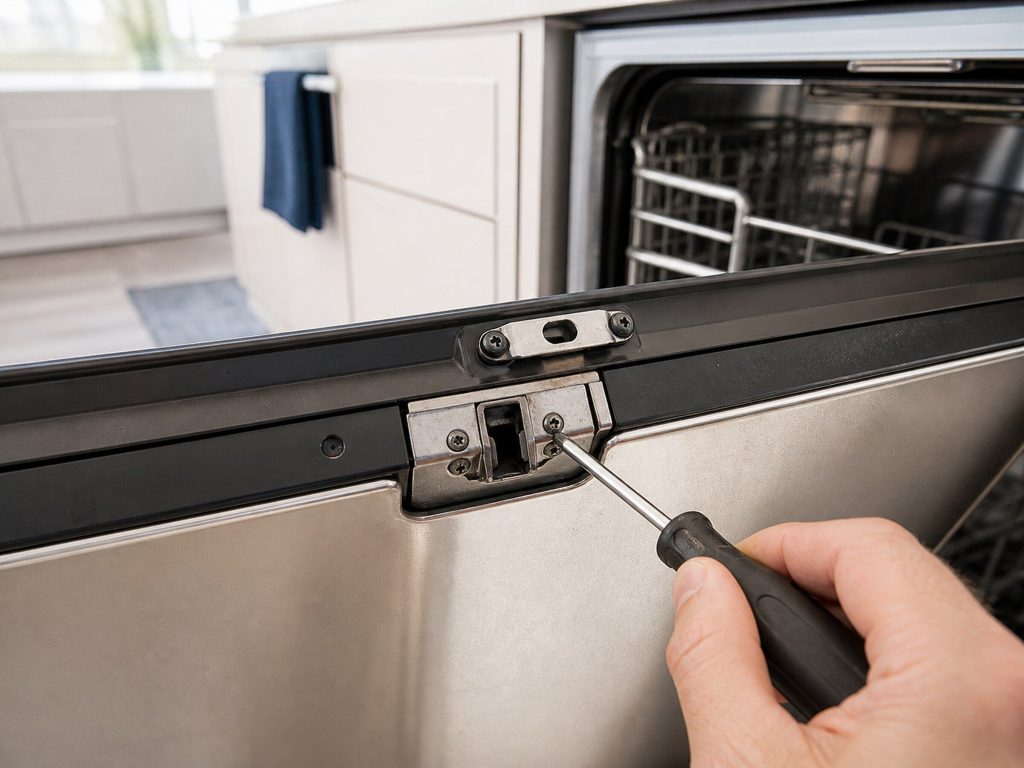
from $145 Dishwasher door and latch repair
It will not start, or it starts and stops, or it leaks at the bottom of the door. All three are usually the latch, the switch behind it or the door seal — small parts that stop a large appliance completely and are frequently mistaken for a dead control board.
- A machine that will not start is often the latch
- The door switch is a safety interlock, not a nuisance
- Leaks at the bottom of the door are the gasket
-
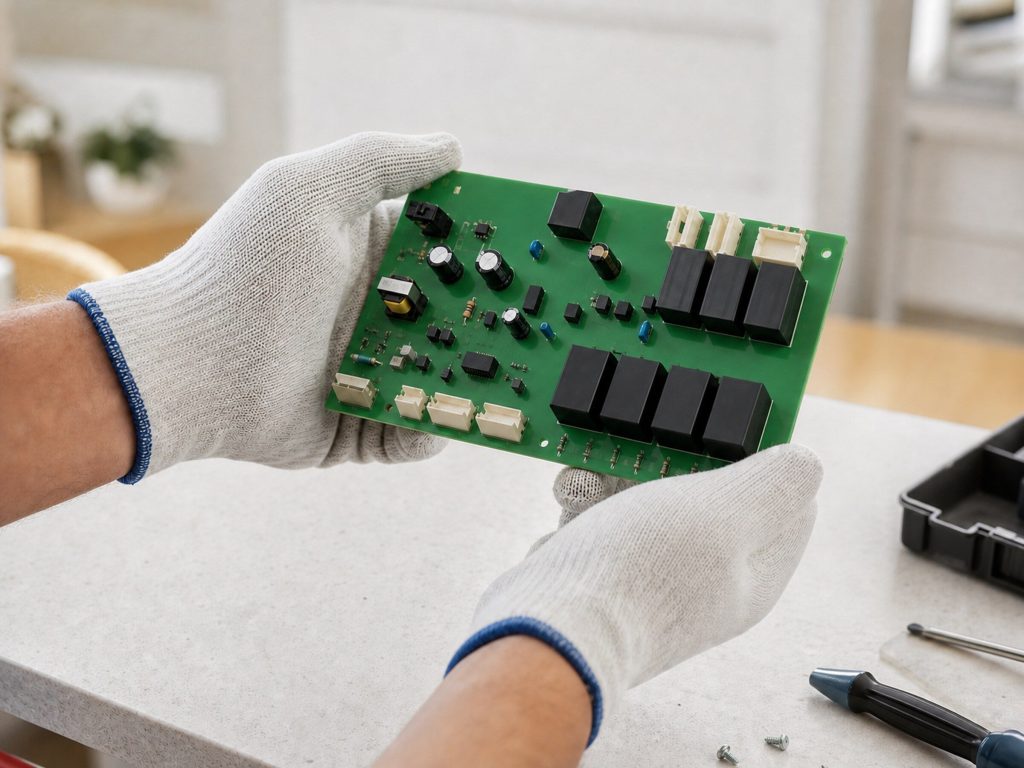
from $285 Control board replacement
The part most often blamed and least often measured. A control board is real and it does fail, but a sensor, a relay, a connector or a supply problem produces the same behavior for a tenth of the money — so this page exists as much to say when the board is not the answer as to price it when it is.
- Ruled in by measurement, not by elimination-by-guess
- Sensors and relays imitate a failed board
- We say when the arithmetic favors replacement
In more detail
About GE dishwashers
Where dishwasher problems actually live
A surprising share of them are plumbing rather than appliance: the sink connection, the disposer, the high loop in the drain hose, the temperature of the water arriving. We check those before opening the machine, because a correct diagnosis there costs an hour and a wrong one costs a pump.
Blinking lights are a language
GE's dishwashers report by pattern rather than by number, which is why owners describe them and cannot look them up. The pattern is genuine information and it is lost the moment the power is cut, so it is worth photographing before anybody resets anything.
The line between service and replacement
Filters, spray arms, seals, the drain path and the door latch are ordinary repairs. A failed control board on an entry-level machine is the point where the arithmetic turns, and we say so before the work rather than after it.
What a South Florida kitchen does to one
Hard water is the constant. It leaves film on glassware that reads as poor washing, it shortens the life of a heating element, and it means rinse aid is not optional here in the way it is in a soft-water city. None of that is a repair, and all of it arrives as one.
What we check before opening the machine
The water temperature at the tap next to it, against GE's own 120°F. The disposer and its plug. The drain hose and its high loop. The filter and the sump. Four checks, none of which needs a part, and between them they answer a large share of dishwasher calls in this city.
This article is based on:
- Official manufacturer documentation
- Internal repair procedures
- Technician repair history
- Company quality standards
Before you book
Questions about GE dishwashers
There is water standing in the bottom.
GE's own list starts at the drain hose and the disposer, and it is right: a disposer installed without knocking out the dishwasher plug will hold water in the tub every cycle, and so will a hose that has lost its high loop. After that it is the filter, then the drain pump. The pump is the expensive one and it is not the usual one.
It runs but the dishes come out dirty or gritty.
Water temperature, the filter, and how the machine is loaded, in that order. GE recommends water reaching the appliance at 120°F, and a long pipe run from a distant heater will not deliver that on the first fill. Grit specifically points at the filter or the spray arms rather than the pump.
The lights on the front are blinking and it will not start.
That is the appliance telling you something, and it is worth reading rather than resetting. GE documents blinking-light patterns as their own signals, separate from the numbered codes on ranges and microwaves. Photograph the panel before you cut the power — the pattern is the diagnosis and a reset erases it.
It smells even after a cycle.
The filter and the sump, almost always, and both are user-serviceable on most models. A smell that survives cleaning both is usually the drain hose holding water where it should not.
Where we do it
Across Miami-Dade, Broward, and Palm Beach
Same terms everywhere we go: an on-site diagnostic first, the price agreed in writing, and the exact figure confirmed once we have seen the unit.
Neighborhoods people ask for by name