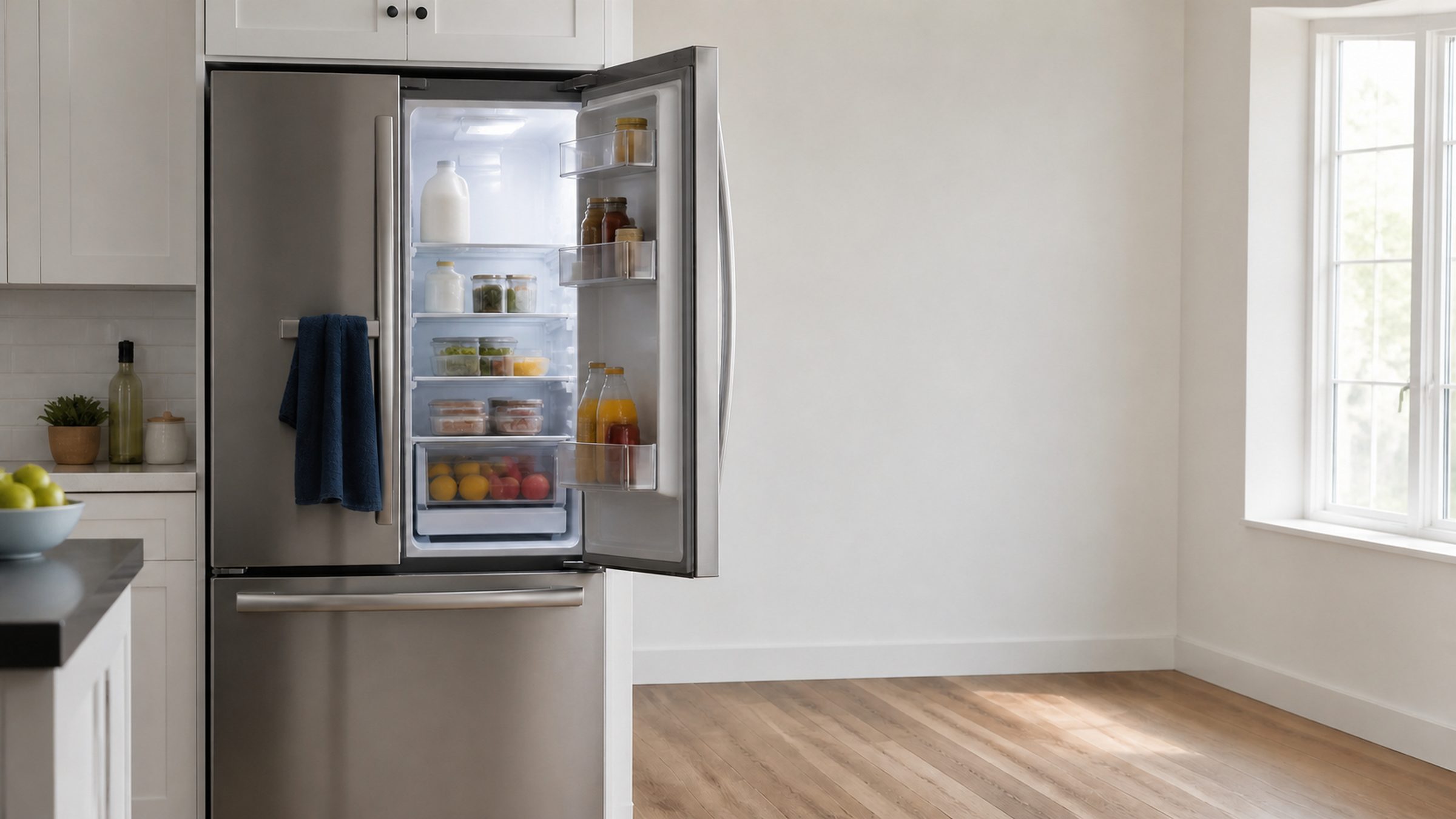
GE lists a code called DE for it: demo mode. The lights work, the controls respond, the display behaves normally, and the cooling system is switched off on purpose — because that is how showroom floor models run. Appliances are sold from those floors and arrive still in it. Their own first step is to unplug the refrigerator for a minute or two, and it costs nothing to try before anybody quotes a sealed system.
18 symptoms · what they usually mean
What your GE is doing, and what it actually means.
Not every appliance shows a code, and some of the ones that do are reporting a setting rather than a problem. These pages start from the behavior you can see and work toward the cause — cheapest and most likely first.
- 18 symptoms, in plain words
- 11 signals that are not problems
- 12 appliance types covered
- from $95 diagnostic, credited to the repair
Start from what you can see
Each behavior, and where it usually ends
Every page here begins with what is free to rule out, because on this make that is often the answer: a mode, a plug, a vent, a delay timer.
-
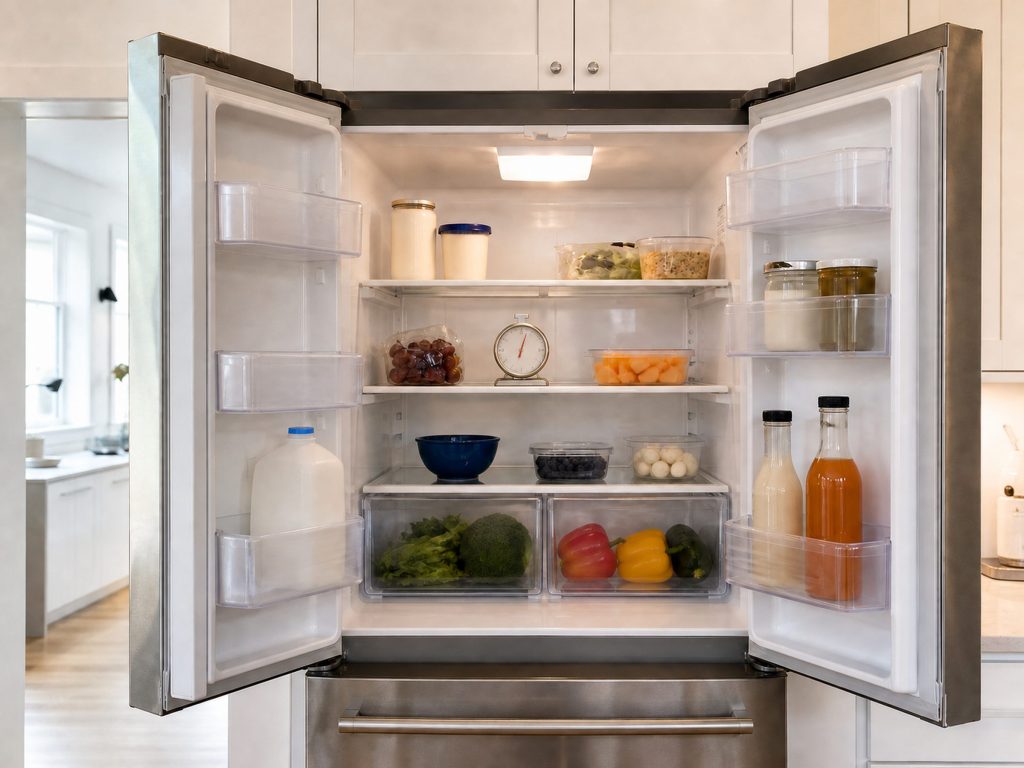
It runs, it lights up, and the food is warm Refrigerator not cooling
The most common call on any make, and on a GE there is a free answer to rule out first that nobody expects: demo mode runs the lights and the controls and switches the cooling off on purpose. After that, GE's own troubleshooting order is settings, then airflow, then defrost — and the sealed system everybody fears is last.
- Running and lit, and nothing is cold
- Started after a delivery, a storm or a power cut
- The freezer may still be fine while the fridge is not
-
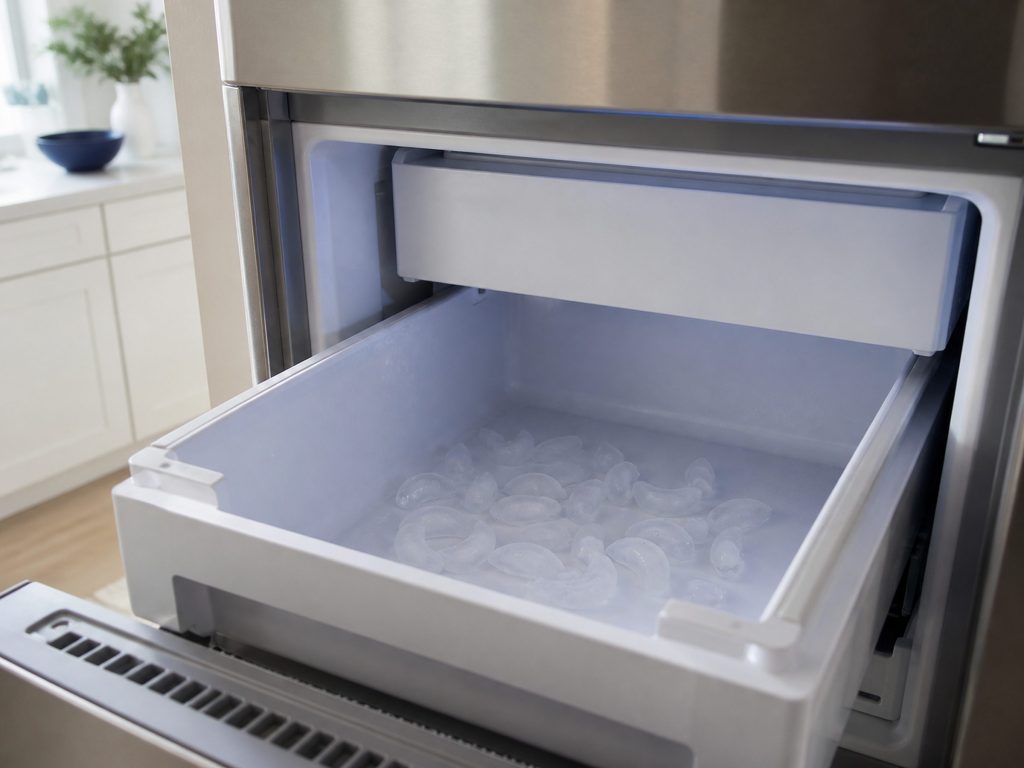
The bin is empty and nothing is falling Icemaker not making ice
GE's own list runs temperature, then water supply, then the shut-off arm — and every one of those is cheaper than the icemaker assembly people expect to buy. Before any of it, there is a question worth asking: is the machine actually below specification, or has the household grown? GE publishes production rates, and a good share of these calls end there.
- Empty bin, or far less ice than there was
- Cubes hollow, small or misshapen
- Started after a power cut or a filter change
-
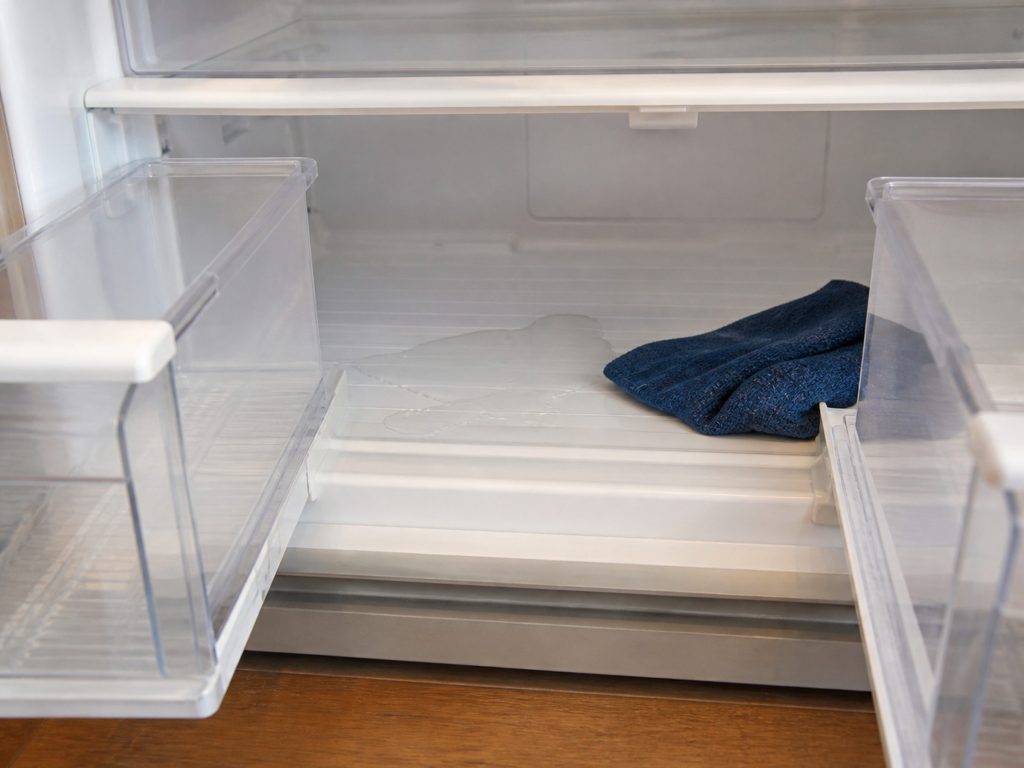
Puddles in the crisper, or on the floor Water leaking inside or underneath
Water inside the cabinet and water on the floor are usually two different repairs, and both are cheaper than they look. Inside, it is nearly always the defrost drain iced over. Underneath, it is the drain pan, a water line connection, or ice that has been melting somewhere it should not.
- Water under the crisper drawers
- A puddle on the floor at the front or the back
- Ice building at the back of the freezer floor
-
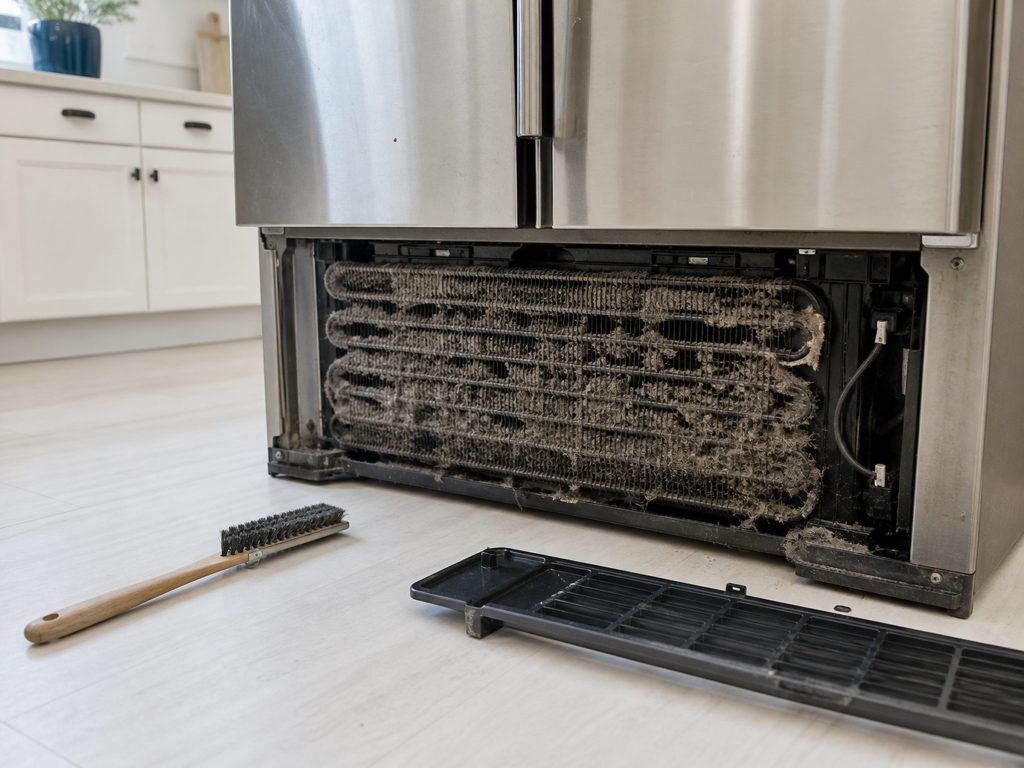
The compressor never seems to stop Running constantly
A refrigerator in South Florida runs longer than the same appliance anywhere dry, so long run times alone are not evidence of anything. What matters is whether it is holding temperature while it runs. A cabinet that is cold and running constantly is usually working hard for a reason you can fix; one that is running and warm is a different page.
- It rarely or never switches off
- The kitchen is warmer or the bill is higher
- It still holds temperature — or it does not
-
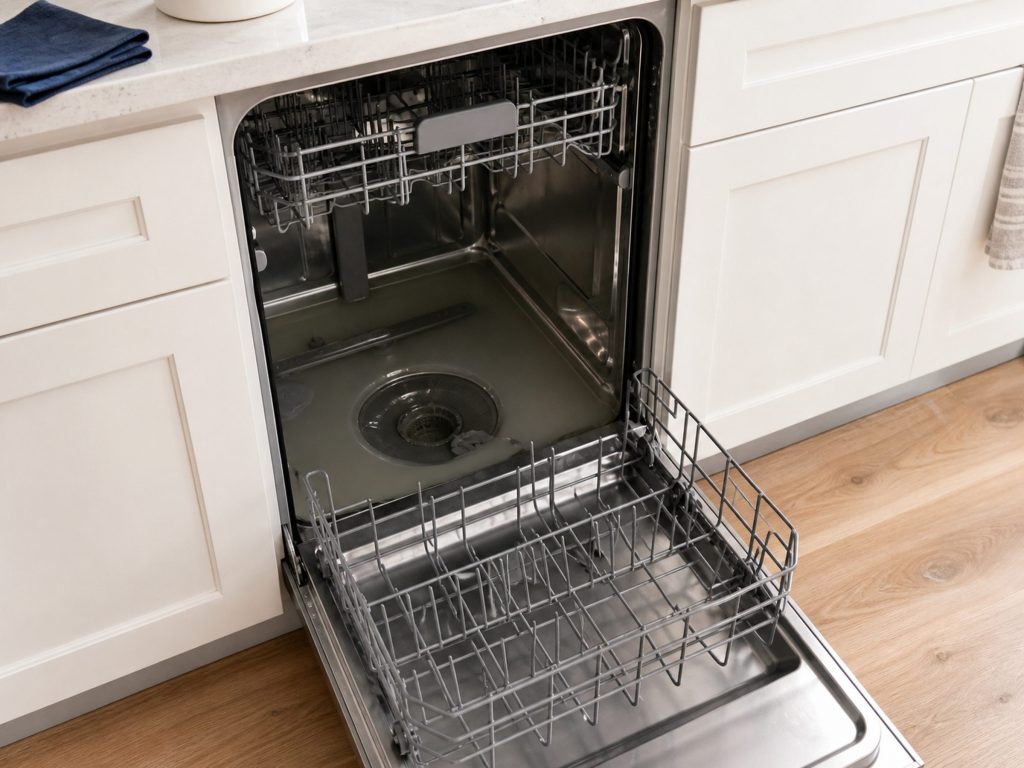
Water standing in the bottom after every cycle Dishwasher not draining
The most common dishwasher call, and GE's own troubleshooting starts outside the machine: the air gap, the drain hose and the disposer. The single most frequent cause in a house with a recently installed disposer is a plastic plug that was never knocked out — which is not a dishwasher repair at all.
- Water left in the tub at the end
- C1, C2, C3 or FTD on the display
- Started after a new disposer was fitted
-
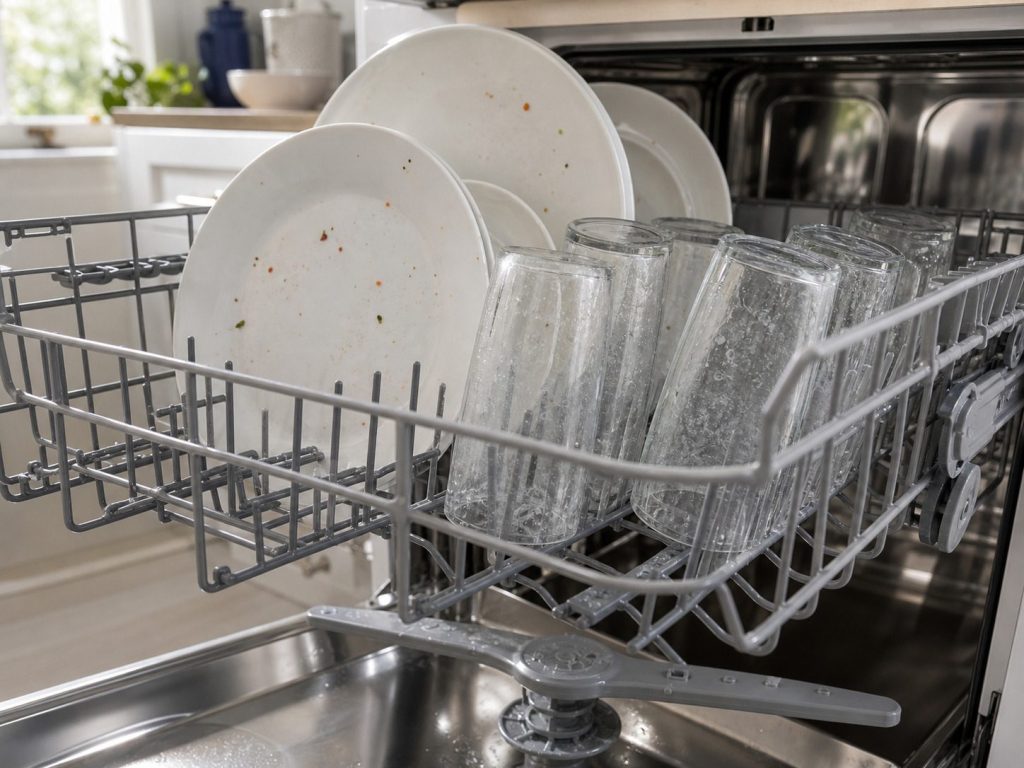
It runs a full cycle and the dishes are still dirty Dishes not coming out clean
GE's own guidance names water temperature first, and they are specific: the water arriving at the dishwasher should be at least 120°F. In a house where the kitchen is a long way from the water heater, it is not — and no part fixes a pipe run. After temperature it is the filter, the spray arms and how the machine is loaded.
- Film, grit or food left after a full cycle
- Glassware cloudy rather than dirty
- One rack clean and the other not
-
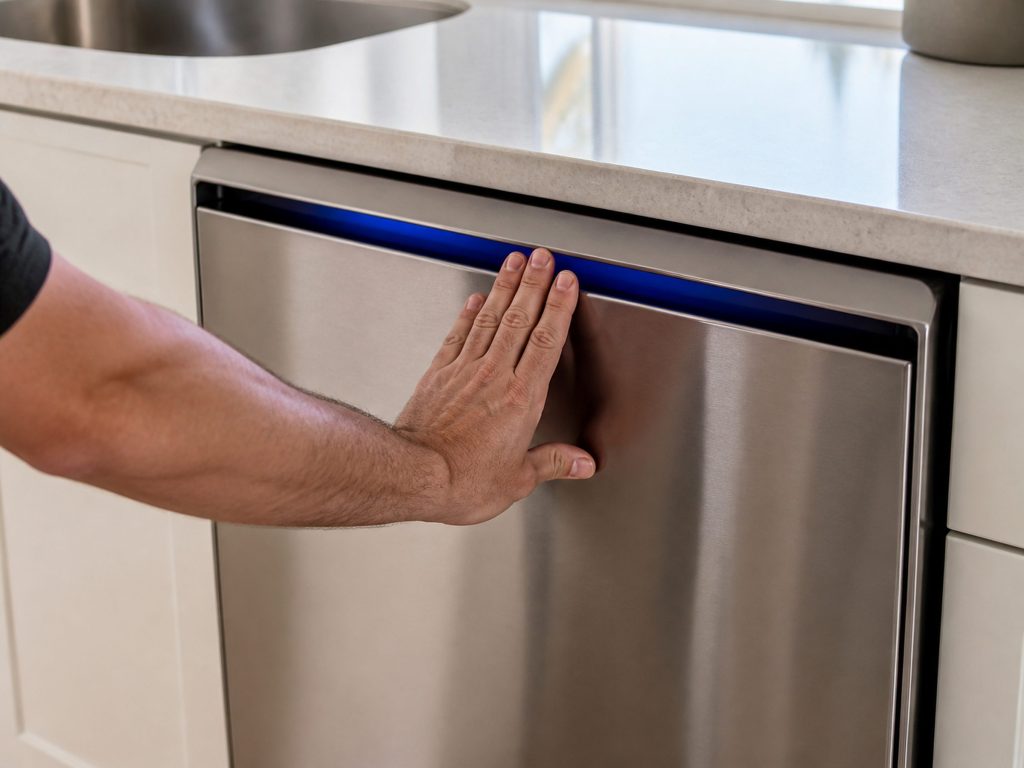
The lights are on but nothing happens Dishwasher will not start
Before anybody quotes a control board — and this appliance gets a board quoted more often than any other in the kitchen — there are three cheap things that stop a dishwasher completely: the door latch and its interlock, a delay start that somebody set, and the detergent cup reminder. GE publishes all three.
- Panel lights up but the cycle never begins
- A number followed by H on the display
- It hums or beeps and stops
-
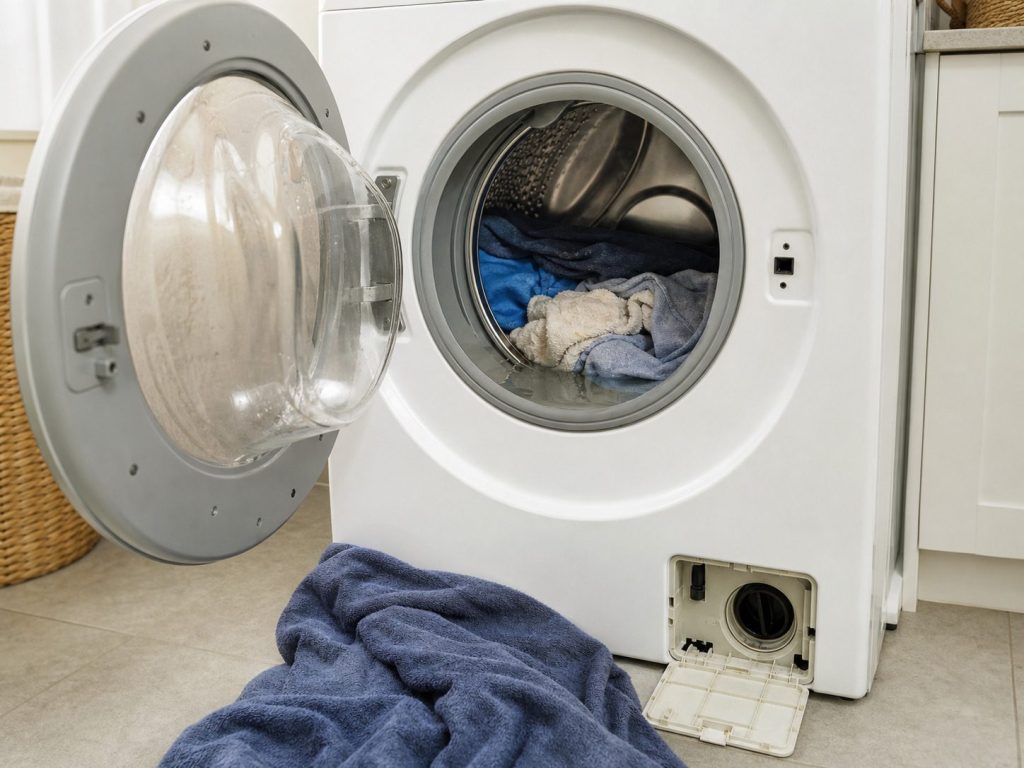
The cycle ends with the drum full of water Washer will not drain
The filter in front of the pump is where this usually ends, and what comes out of it explains the symptom better than any test does. A machine that drains slowly rather than not at all is far more often restricted than failed, and restrictions are cheaper than pumps.
- Water left in the drum at the end
- It drains slowly, or only sometimes
- Clothes come out soaking rather than damp
-
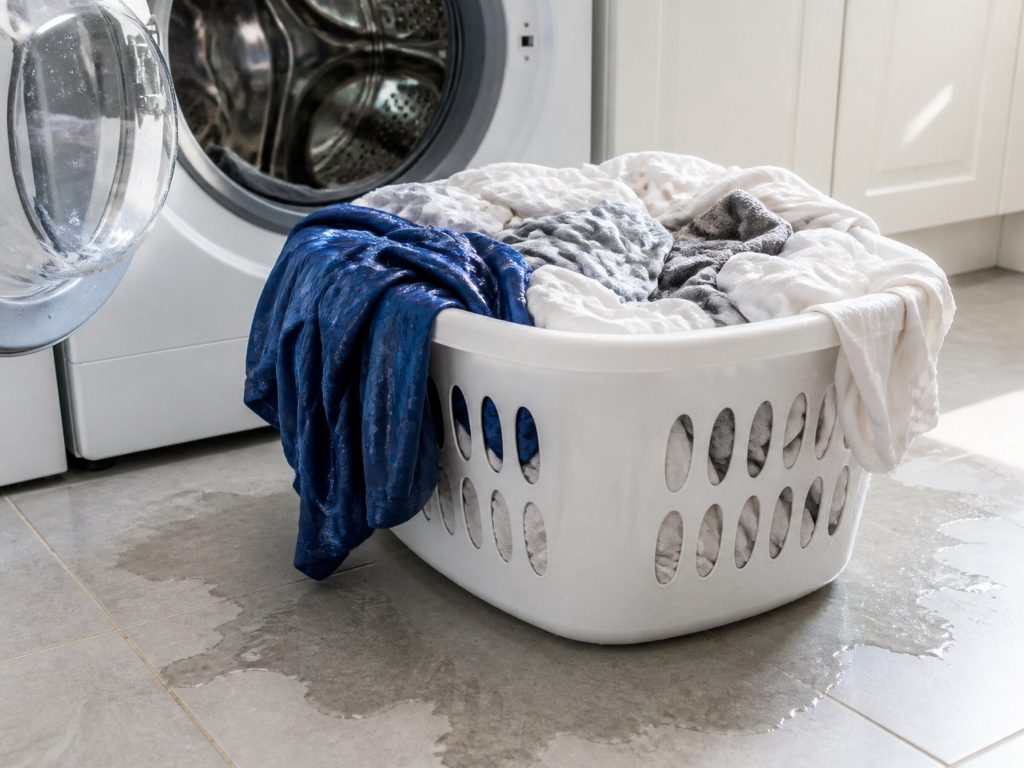
It drains, but the clothes come out soaking Washer will not spin
Balance first, then the interlock, then the drive — and the first of those is not a repair. A washer that refuses to spin an unbalanced load is protecting itself and behaving exactly as designed, which is why the useful question is whether it happens on every load or only the heavy ones.
- Clothes soaking wet at the end of the cycle
- It tries to spin, then stops or slows
- A single heavy item is involved
-
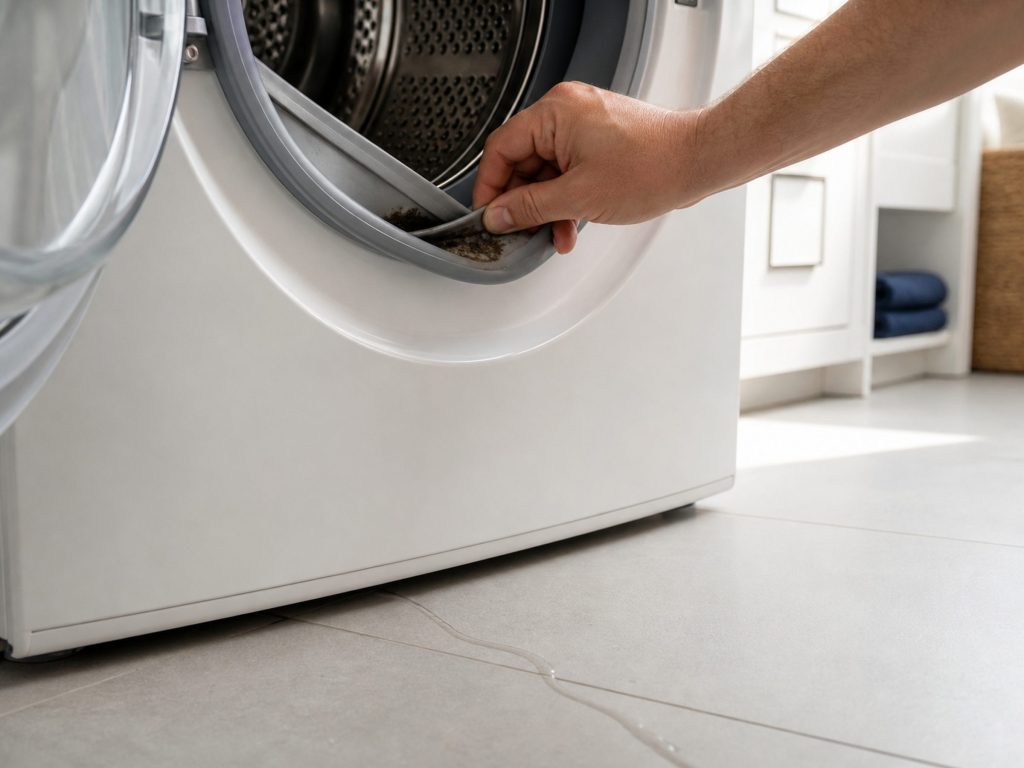
Water on the floor, sometimes Washer leaking
Intermittent leaks are the hard ones and they are nearly always one of three things: the door seal on a front loader, a hose connection that weeps under pressure, or an overfill that only happens on certain cycles. Which cycle it leaks on narrows it more than anything we can see on arrival.
- Water on the floor after some cycles
- A front loader with a marked or torn door seal
- Worse on certain programs than others
-
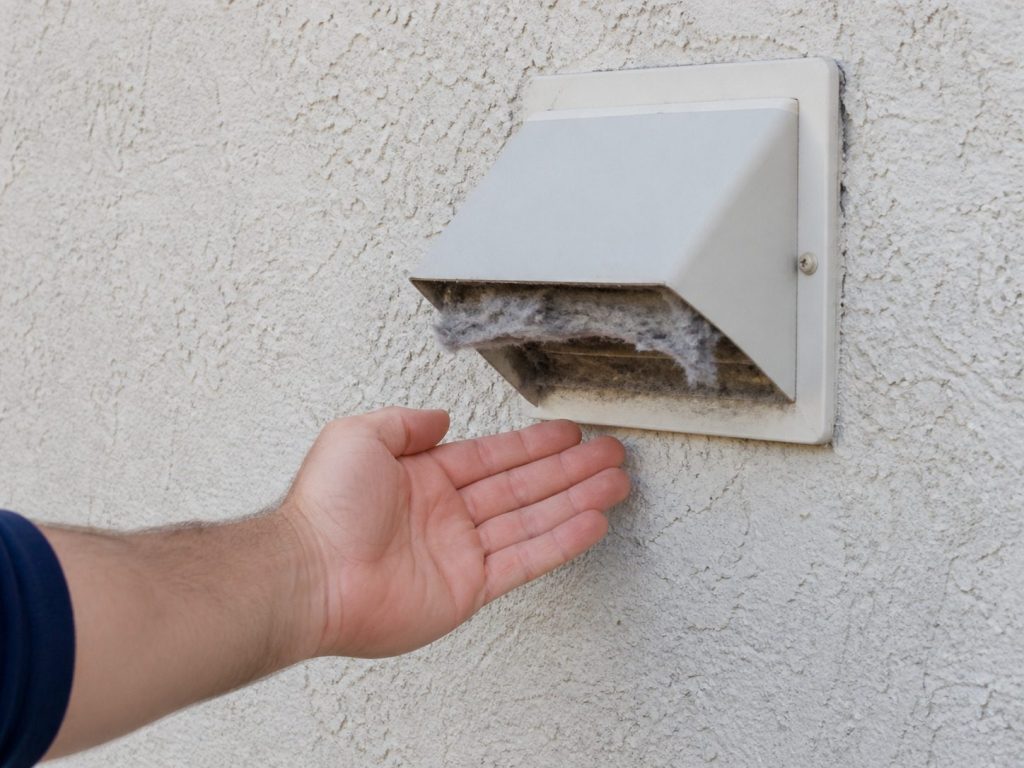
It runs a full cycle and the clothes are still damp Dryer takes too long or will not dry
The vent, until proven otherwise — and GE's own troubleshooting says the same. A duct packed with lint, crushed behind the machine, or running too far horizontally will pass air but not enough of it, and the machine runs cycle after cycle doing very little. In this county the run is usually long and it carries humid air, which makes it fill faster than anywhere dry.
- Two cycles to dry what used to take one
- The load is hot but still damp
- The laundry room gets warm and humid
-
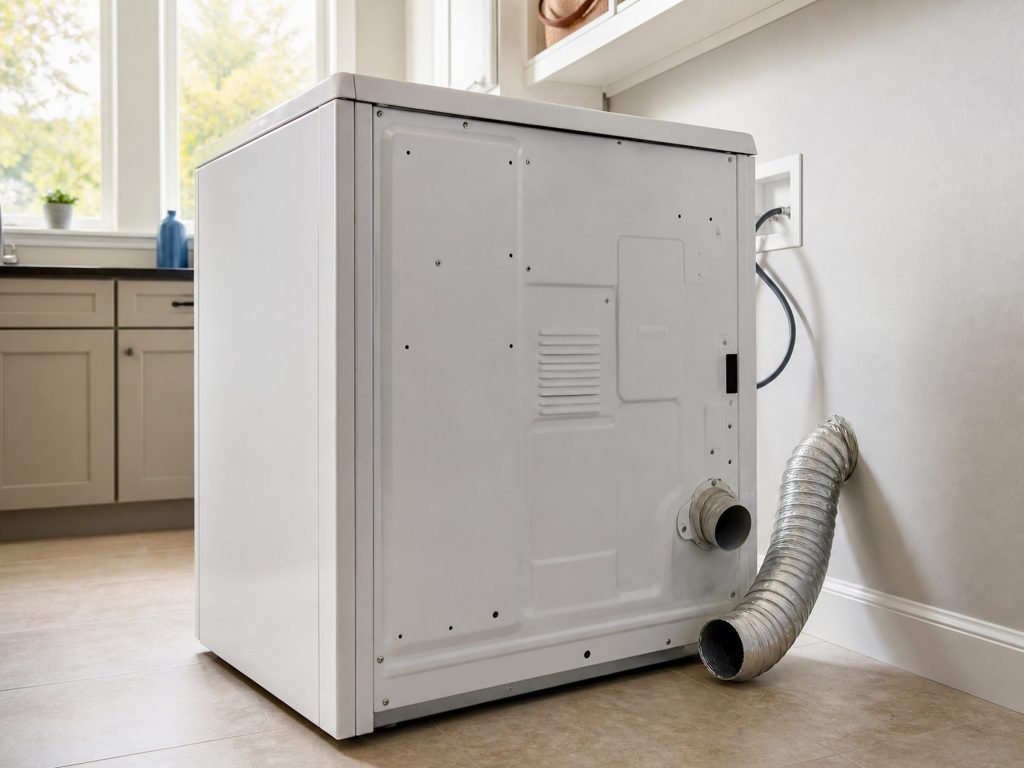
The drum turns and the air stays cold Dryer runs but does not heat
On an electric dryer this is the element or a thermal cut-out — and the cut-out is very often a symptom of the vent rather than a part that simply aged. On gas it is the igniter, the flame sensor or the valve coils, diagnosable by watching one ignition cycle. Before either, there is a supply check that costs nothing.
- Tumbles normally, no heat at all
- Clothes come out cold and damp
- It happened suddenly rather than gradually
-
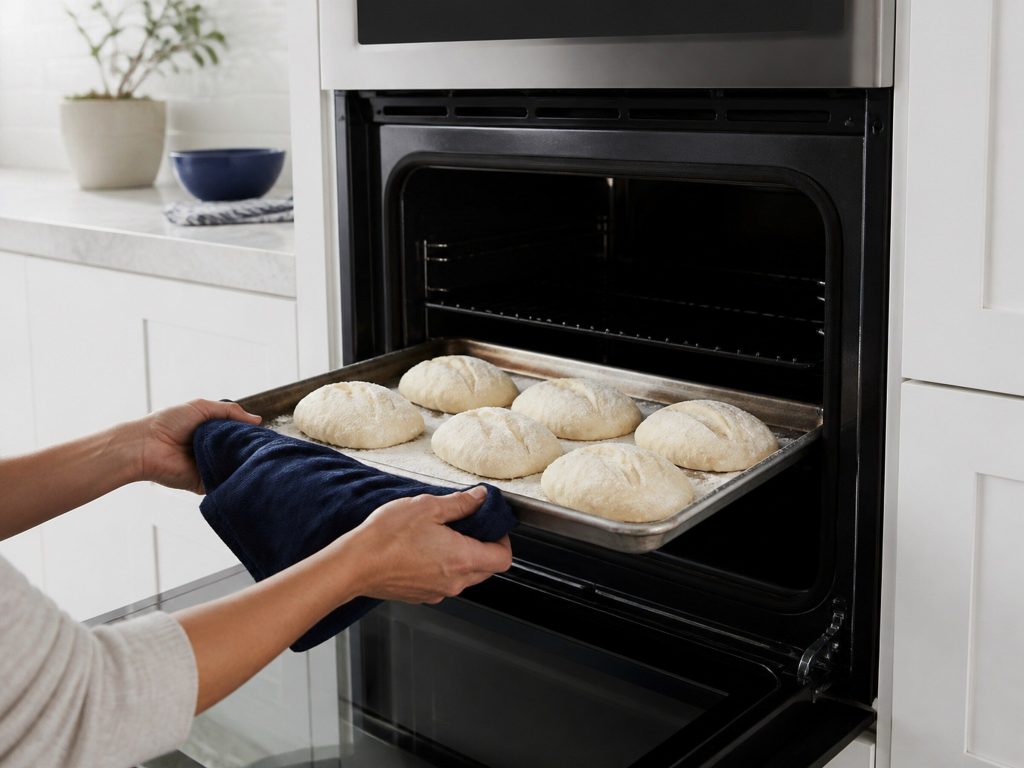
The cooktop works and the oven stays cold Oven not heating
The most useful sentence a customer can say, because it separates the two circuits immediately. GE has an article for exactly this phrasing. On an electric range it is usually the bake element, the oven sensor or a control relay; on gas it is the igniter far more often than the valve.
- Burners heat, oven does not
- An F code on the display
- It heats but never reaches temperature
-
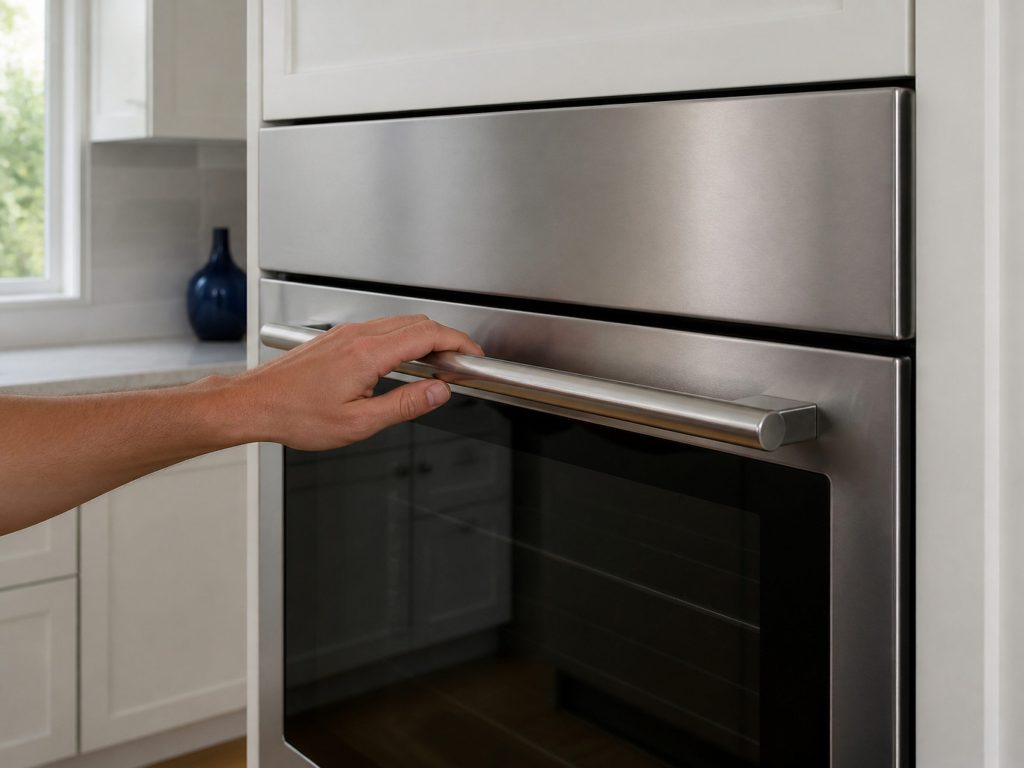
It locked for self-clean and stayed locked Oven door locked and will not open
GE documents this specifically, and the first answer is usually patience: the lock will not release until the cavity is below a set temperature, and that can take well over an hour after the cycle ends. If it is cool and still locked, or LOC DOOR is flashing with no clean cycle having run, that is the lock circuit.
- Locked after a self-clean cycle
- LOC DOOR flashing with no clean selected
- F9 or FC on the display
-
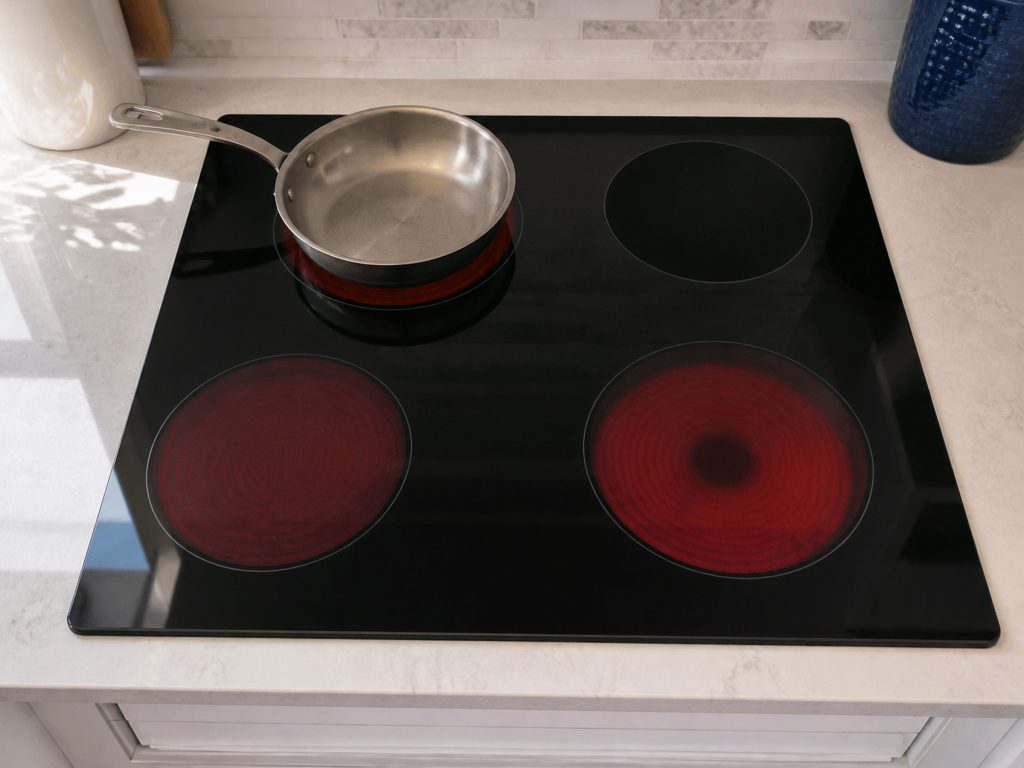
One works, the next one does not A burner or zone has stopped
A single zone failing while the others work is good news on price: a failed control normally takes more than one zone with it. On radiant tops it is usually the element or its switch, on gas the electrode or the spark module, and on induction the coil's own electronics.
- One zone dead, the rest normal
- A gas burner that clicks and never lights
- An induction zone that cuts out under load
-
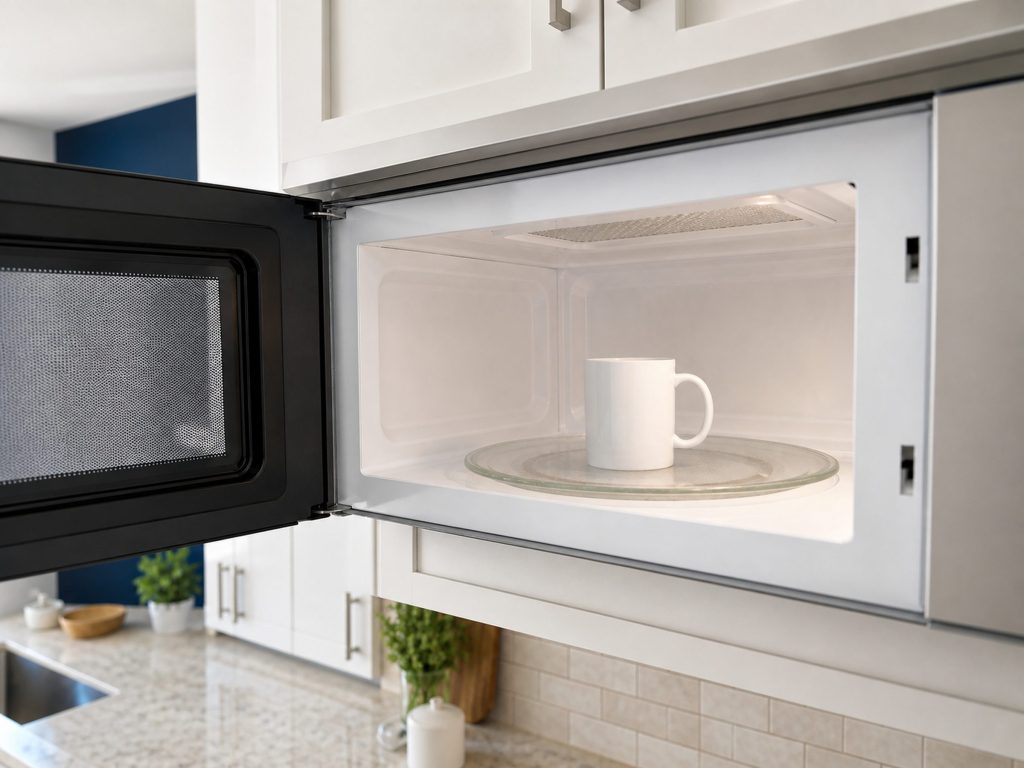
The plate turns, the light is on, the food is cold Microwave runs but does not heat
GE's own list starts with two checks that cost nothing: whether the timer was set instead of a cook function, and whether the door is closing fully onto its safety interlocks. After those, it is the high-voltage side — and that is licensed work, because a microwave capacitor holds a dangerous charge after the appliance is unplugged.
- Runs a full cycle, nothing gets warm
- The plate turns and the light works
- An F code on the display
-
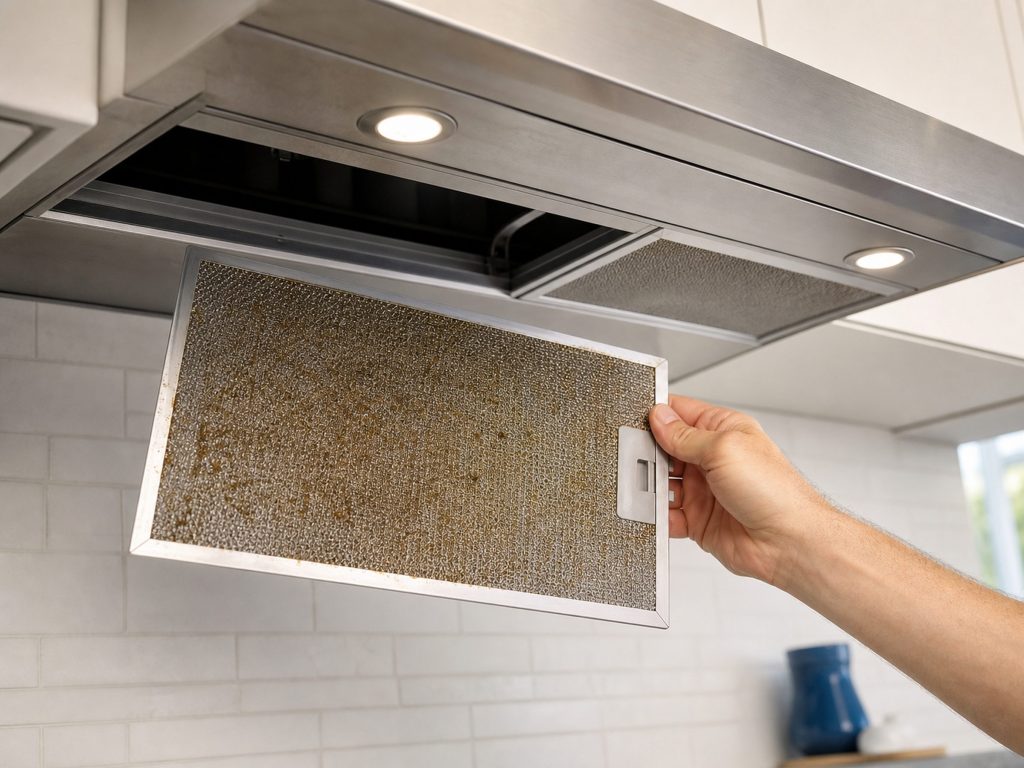
The fan runs and the kitchen still smells Range hood not pulling air
GE publishes no error codes for range hoods, so there is nothing to look up and this is diagnosed by what still works. A great many of these calls end at a filter that nobody knew was a consumable — on a recirculating hood the charcoal filter has a service life and is usually years past it.
- Fan audible but nothing gets pulled up
- Cooking smells and grease linger
- Lights work, fan does not — or the reverse
-
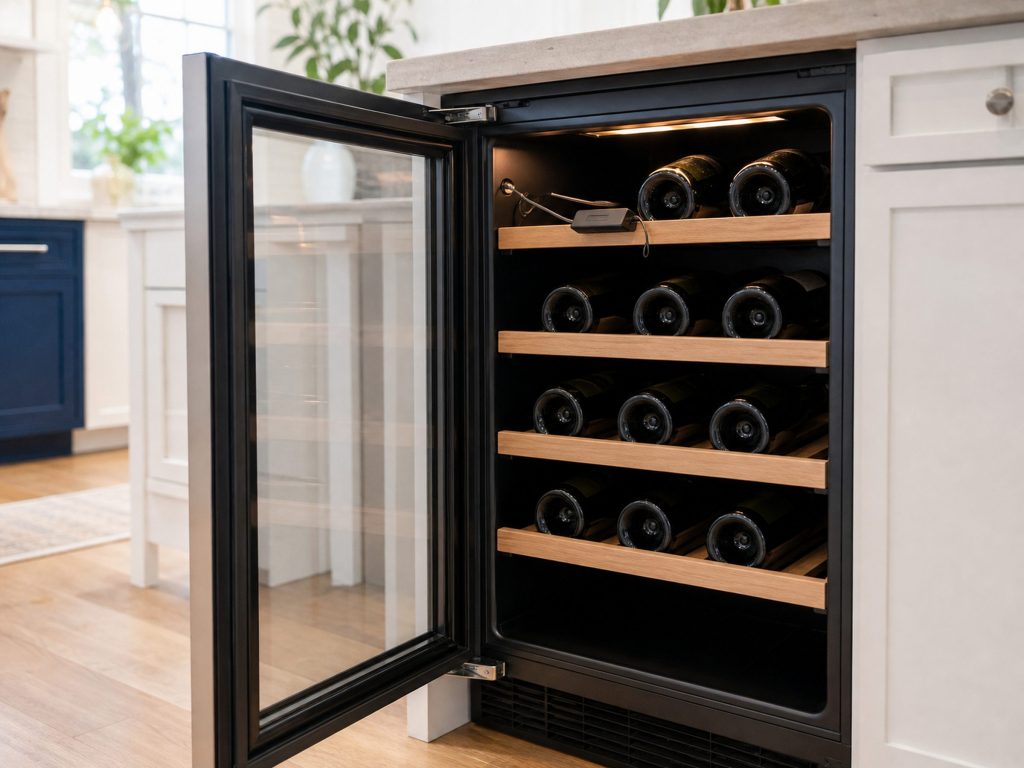
It drifts, or it swings by several degrees Wine cooler temperature not steady
GE publishes no error codes for wine and beverage centers, so this is measured rather than read. And on a wine cabinet the swing matters more than the number: repeated cycling does more harm to what is inside than a steady temperature slightly off target.
- The display moves by several degrees
- It struggles in summer and is fine in winter
- The interior light stays on
The one that catches everybody
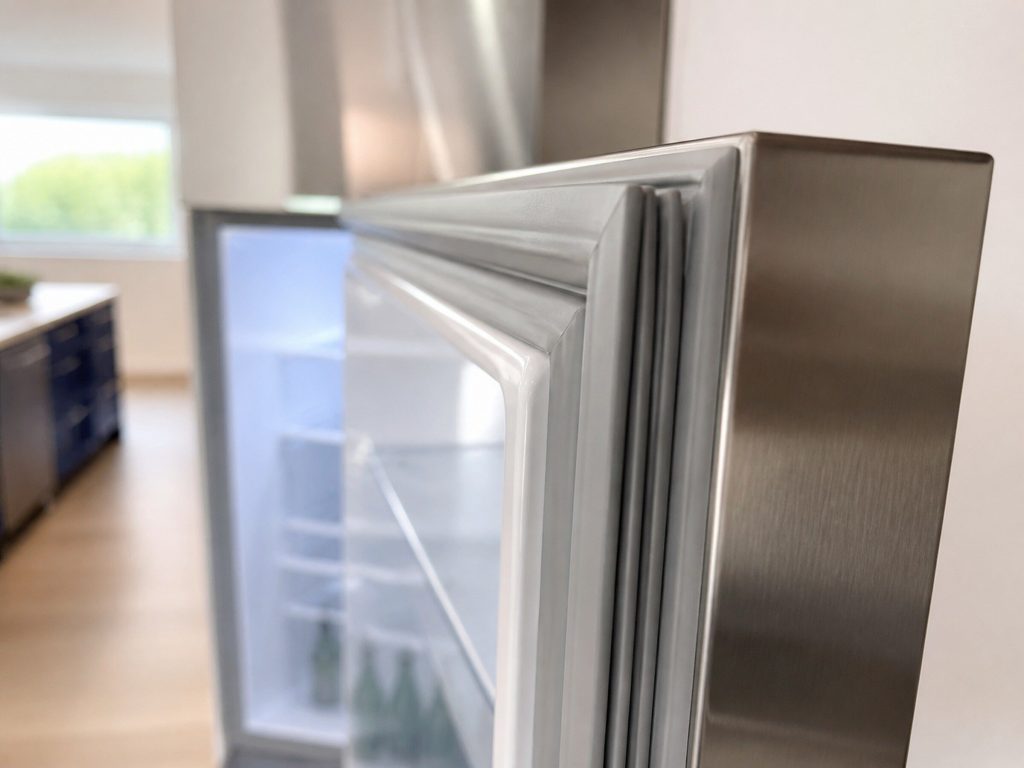
A refrigerator that looks perfectly healthy and is not cooling
Refrigerator not cooling
When there is nothing to look up
Some GE appliances publish no codes at all
Wine centers, range hoods and built-in ice makers show nothing, and basic dryers show nothing. On those, a symptom page is the only page you can arrive on, and the diagnosis is measurement and elimination rather than a table. We would rather say that than publish a list of codes the appliance cannot raise.
Worth trying first
The free checks, by appliance
Refrigeration
- Look for DE on the display — that is demo mode and the cooling is off.
- Read both compartments with a thermometer, not the display.
- Paper test on the door seal, hinge side first.
Dishwasher and laundry
- Run the disposer; if it is new, check its dishwasher plug was removed.
- Feel the air at the outside dryer vent — a trickle is your answer.
- Open the washer's pump filter. Towel down first.
Cooking
- Photograph any code before cutting power.
- Let a locked oven cool completely — well over an hour after self-clean.
- On a microwave, check a cook function was used rather than the timer.
By appliance
Every appliance we cover
Every job on this page belongs to at least one of these. Start from the appliance if you would rather.
-
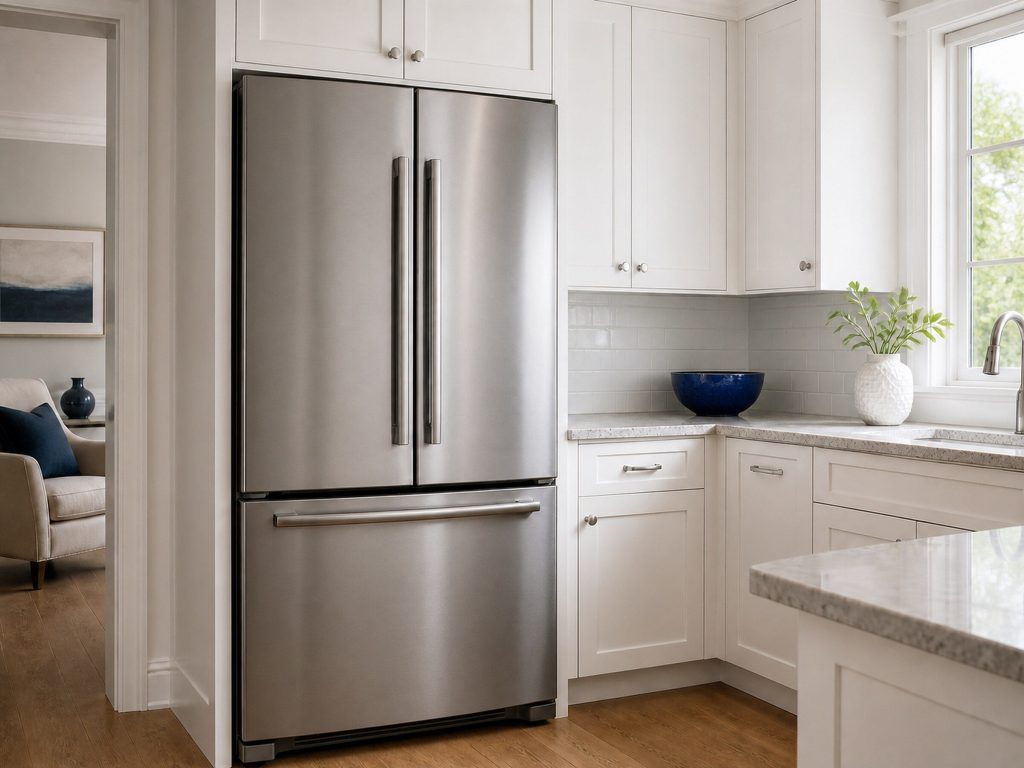
French door · side-by-side · top and bottom freezer · built-in Refrigerators
The largest half of what GE builds, and the appliance most South Florida kitchens have two of. French door, side-by-side, top-freezer, bottom-freezer and the built-in columns, across GE, GE Profile, Café and Hotpoint. Most of what we are called out to here is not the sealed system: it is the dispenser, the icemaker, the defrost circuit or a door that stopped sealing in a house where the air is wet nine months of the year.
- All four door layouts, plus built-in columns
- Icemaker and dispenser work is most of the call volume
- GE, GE Profile, Café and Hotpoint share most parts
-
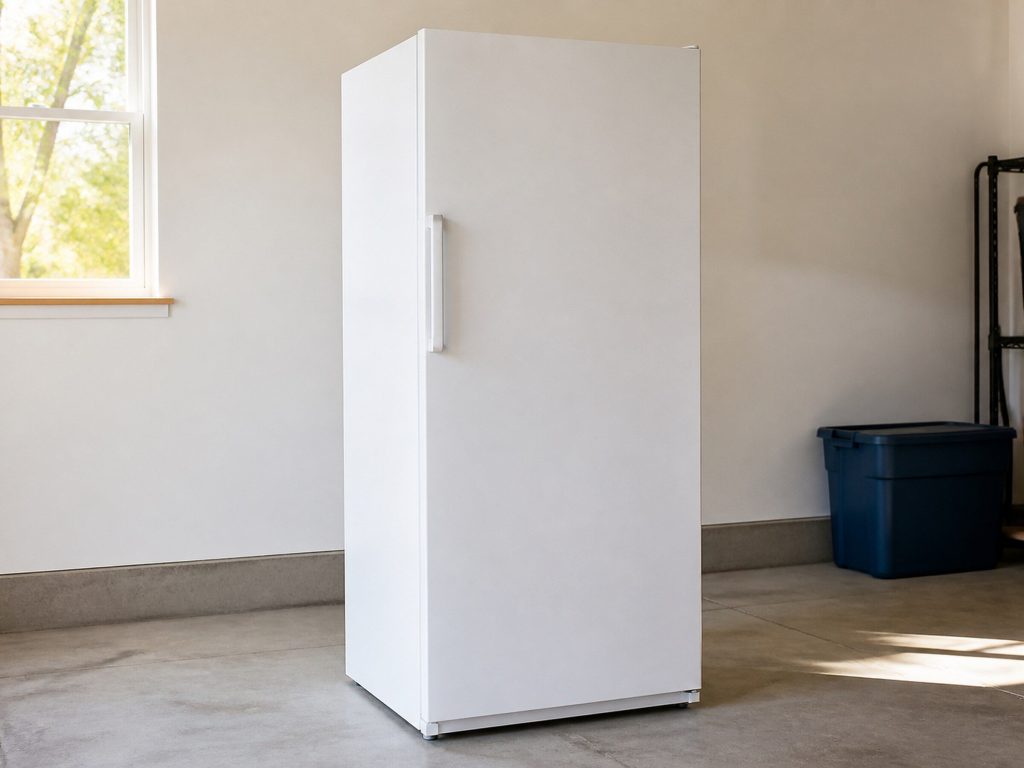
Chest and upright · garage-ready models Freezers
Chest and upright freezers, including the garage-ready models that matter here more than almost anywhere: a freezer in an unconditioned Florida garage is being asked to work in ambient temperatures its ordinary sibling was never designed for. Most freezer calls in this city are about where the appliance lives as much as what has broken inside it.
- Chest and upright, including garage-ready
- Ambient temperature is half the diagnosis here
- A freezer failing quietly costs more than the repair
-
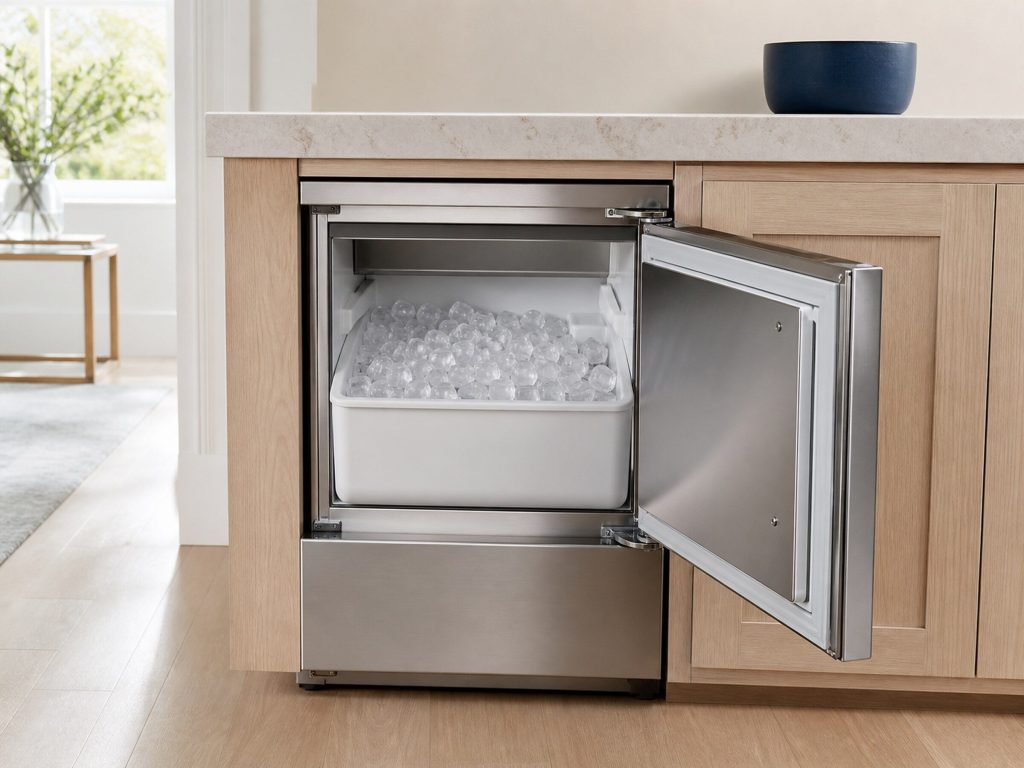
Built-in and undercounter · nugget and cube Ice makers
Standalone and undercounter ice makers, separate from the icemaker inside a refrigerator and a different appliance to repair. In South Florida these run harder than anywhere: entertaining outdoors, water that scales quickly, and a machine that is asked to produce all year rather than in summer bursts. Scale is what ends most of them, and scale is preventable.
- Standalone and undercounter units, not fridge icemakers
- Scale ends more of these than any component does
- GE publishes no error codes for built-in ice makers
-
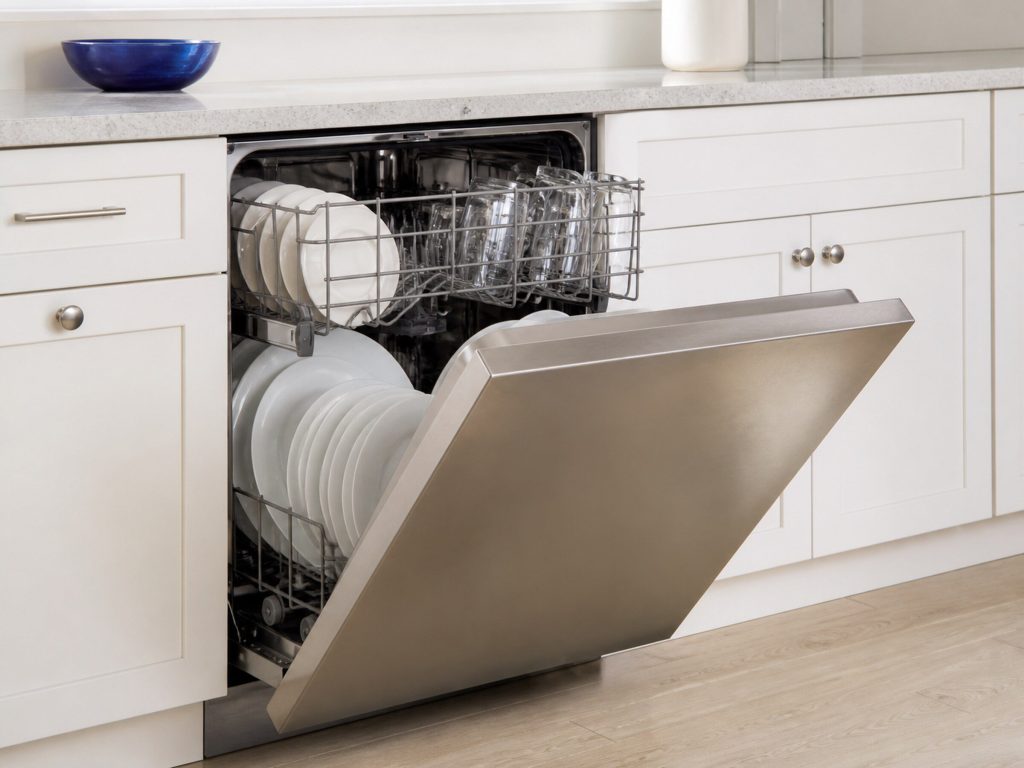
Built-in · compact · portable Dishwashers
Built-in, compact and portable dishwashers across GE, GE Profile, Café and Hotpoint. Two problems account for most of the calls — it will not drain, or it does not get the dishes clean — and a good share of both end outside the machine entirely, at the sink connection, the disposer plug or the water temperature reaching it.
- Draining and wash performance are most of the work
- A new disposer with an unremoved plug is a classic
- Blinking lights are a signal, and they mean something
-
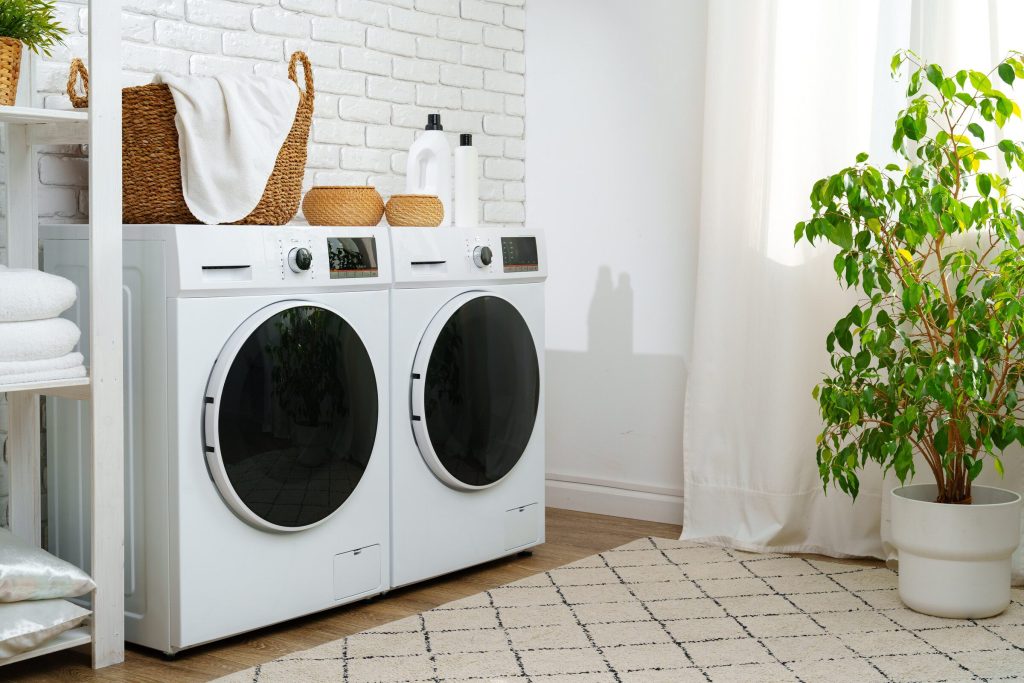
Top load and front load · including HydroWave Washers
Top-load and front-load washers, including the HydroWave machines whose ordinary running noises GE documents specifically because they alarm people. The three calls that dominate are will not drain, will not spin and leaking — and on a front loader, a fourth that is not a repair at all: a door seal that has been holding water and growing something.
- Draining, spinning and leaking are most of it
- GE documents which noises are normal — some are
- Front-load seals need maintenance, not repair
-
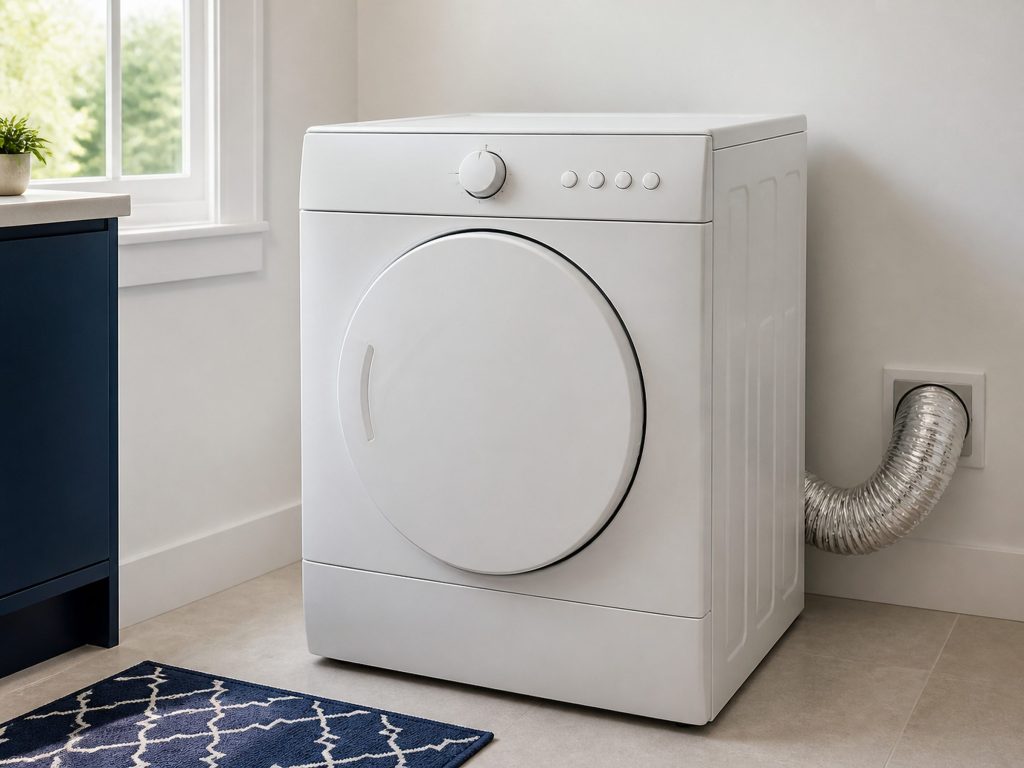
Electric and gas · vented and condensation Dryers
Electric and gas dryers, vented and condensation. The single most common call — it runs but the clothes are still wet — is usually not the dryer: it is the vent. In this county that duct runs through humid air and often through a long horizontal path, and a restricted one costs drying time, electricity and eventually the heating element it overheats.
- Takes too long to dry is usually the vent
- A restricted vent is a safety issue, not just a slow one
- GE publishes no error codes for basic dryers
-
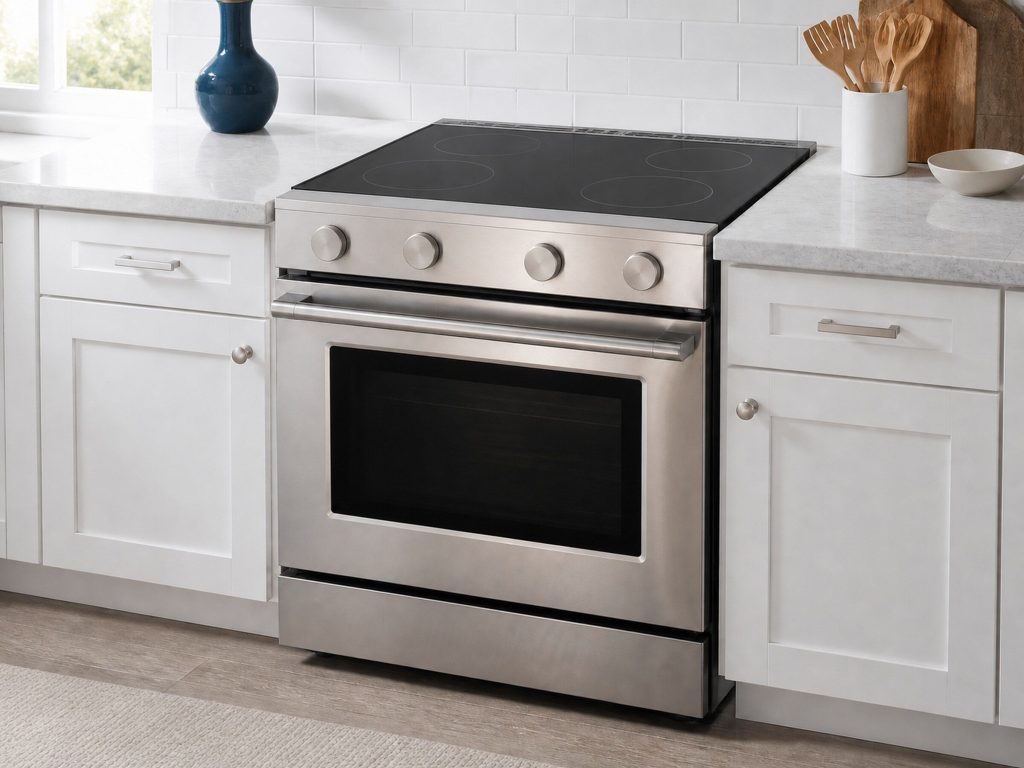
Electric · gas · induction · dual fuel · double oven Ranges
Freestanding and slide-in ranges in every fuel GE sells: electric, gas, induction and dual fuel, single and double oven. This is the appliance that reports itself most clearly — GE publishes a table of the codes a range displays — and also the one where the display is most often misread, because half those codes point at the same circuit.
- Electric, gas, induction and dual fuel
- GE publishes a code table for these — we read it, not guess
- Self-clean is behind a surprising share of the calls
If it is not on this list
This list is what we publish, not the limit of what we repair
If what yours is doing is not described here, call and describe it. These pages cover the behaviors that come up often enough to write about.
Before you book
The questions this page is asked
My appliance shows no code at all. Can you still diagnose it?
Yes, and for several GE appliances that is the only way — they publish no codes. Diagnosis is then measurement and elimination, which is slower to describe and just as reliable.
It is intermittent. Is it worth calling?
Yes, and note when it happens: which cycle, what time of day, how full the machine was. Intermittent problems are diagnosed from the pattern more than from the appliance.
Could it be normal?
Sometimes, and GE publishes documents saying so — normal ice production rates, normal washer noises, TurboCool and TurboFreeze indicators that look like errors. We would rather tell you that on the phone than charge for finding it out.
In more detail
What GE repair actually involves in Miami
Why these pages start with what is free
On this make a real share of calls end at a setting, a plug, a filter or a vent. Putting those first is not a disclaimer — it is the honest order of likelihood, and it is the same order GE’s own troubleshooting uses.
Behavior is evidence
When it started, what changed just before, whether it happens on every cycle or only some — those three answers narrow a diagnosis further than most codes do, and they cost nothing to gather before we arrive.
Describe what it is doing, in your own words.
That plus the model number is enough. If it sounds like one of the free answers, we will say so on the phone.
This article is based on:
- Official manufacturer documentation
- Internal repair procedures
- Technician repair history
- Company quality standards