Maintenance & Prevention
Descaling a GE Ice Machine on South Florida Water
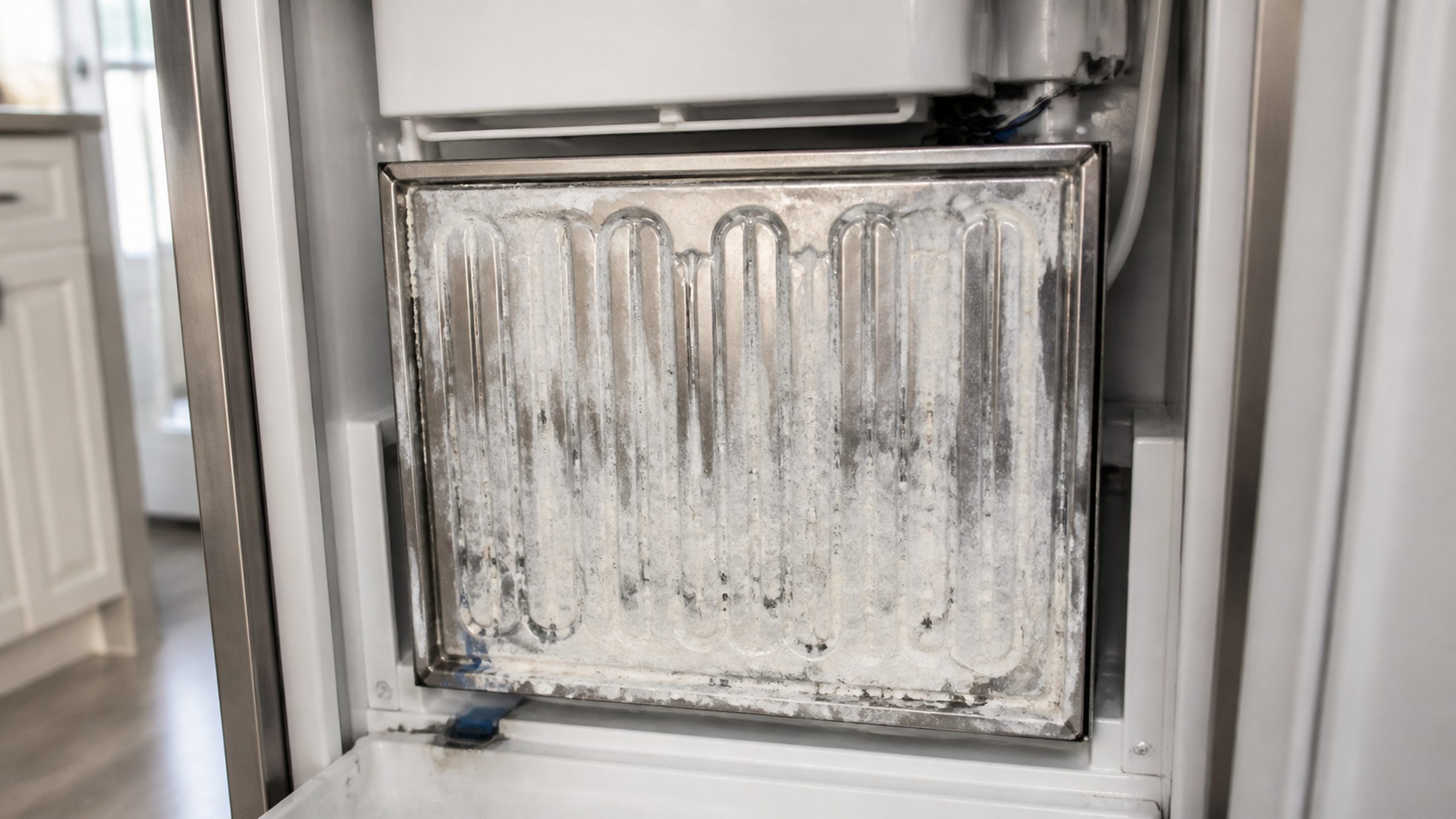
Descale on the maker's schedule as a minimum, and expect to need it more often than that on South Florida supply. Scale builds on the evaporator, so ice takes longer to form and longer to release, and the machine quietly halves its output over a year without ever stopping — which is why the complaint arrives as a failing machine rather than a dirty one. Use a food-safe descaler and the maker's own procedure rather than a household product, clean the water path and reservoir at the same time since biofilm goes where scale goes, and measure cubes per cycle before and after so the improvement is a number. Then set your interval from what came out of your machine, not from the manual.
The full guide
Ge opal ice maker and the rest: why scale is the local enemy
An ice machine is a device for evaporating water on purpose. Everything the water leaves behind stays on the surface it evaporated from — and South Florida water leaves a lot behind.
Scale builds on the evaporator. Ice takes fractionally longer to form. It takes longer to release from a scaled surface. The cycle stretches, the output drops, and none of it happens quickly enough for anybody to notice. Over a year a machine can halve its production without ever failing.
That is why this arrives as "the ice maker is dying" rather than "the ice maker is dirty", and why the cheapest service we offer prevents the most expensive.
Before you start: measure
Count what it makes in a cycle, and time the cycle.
This is the only way to know whether descaling worked, and the only way to set an interval that means anything. We do it on every visit for the same reason: the before-and-after is a number rather than an impression.
Doing it
- Use a food-safe descaler, and the maker's own procedure. Household products vary in strength and several leave taste in a machine whose whole output goes into drinks.
- Run the full descale cycle if the machine has one — most GE ice makers, including the Opal nugget machines, do.
- Clean the water path and the reservoir. Where scale is, biofilm usually is too. Both affect taste as well as production, and a machine descaled without cleaning the reservoir tastes no better afterward.
- Rinse thoroughly, then discard the first batch or two of ice. Always.
- Measure again.
Setting your own interval
The maker's six months assumes water this county does not have. What we do instead:
- Descale, and note how much came out.
- If the machine was heavily loaded, shorten the interval to four months and check again.
- If it was mild, six is fine.
After two cycles of that you have an interval based on your own supply rather than on a national average, which is the honest way to schedule this.
What descaling does not fix
Worth saying plainly, because it saves a wasted afternoon.
Hollow or small cubes are water volume — a restricted fill. Filter, shut-off valve, or pressure at the inlet.
No ice at all is rarely scale. That is the water supply, the freezer temperature on a refrigerator icemaker, or the module.
A machine that runs and produces nothing with a clean evaporator is a sealed system or a harvest problem, and that is a service call.
Scale is specifically the cause of gradual decline in a machine that still works, which is the least dramatic and most expensive failure mode there is — because by the time it is obvious, people have usually bought a new machine.
Questions people ask about this
Can I use vinegar?
It has some effect on light scale and it is not what the makers specify. On a machine that is genuinely loaded, a proper descaler does the job in one pass where vinegar takes several and leaves taste behind.
How do I know it needs it?
Count cubes per cycle and time the cycle. If either has drifted from what the machine used to do, that is scale before it is anything else.
Does a filter prevent scale?
It helps with particles and taste. Dissolved mineral passes through most filters, which is why descaling remains necessary here regardless.
Is there an error code for this?
No. GE publishes no codes for built-in ice makers, so this is diagnosed by watching the cycle — fill, freeze, harvest — and by measuring output.
Maintenance & Prevention
More guides like this one
-
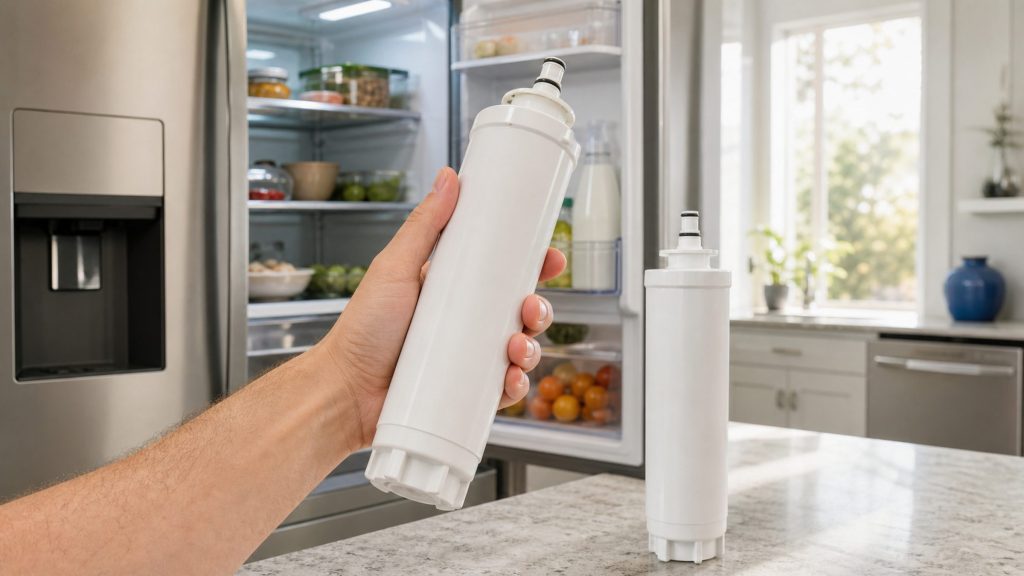
How Often a GE Water Filter Really Needs Changing in South Florida
GE's interval is six months. On this water that is optimistic, and a starved water path looks exactly like a failing icemaker.
Read more -
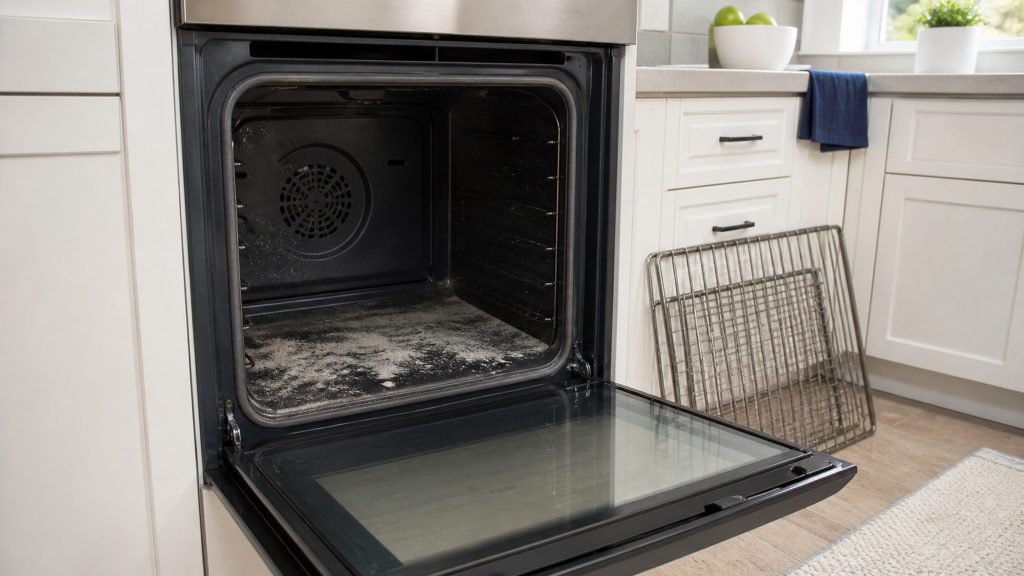
GE Self-Clean: What the Cycle Actually Does, and Why Things Break During It
The cycle runs the cavity far hotter than cooking ever does. If an oven is going to fail this year, self-clean is when.
Read more -
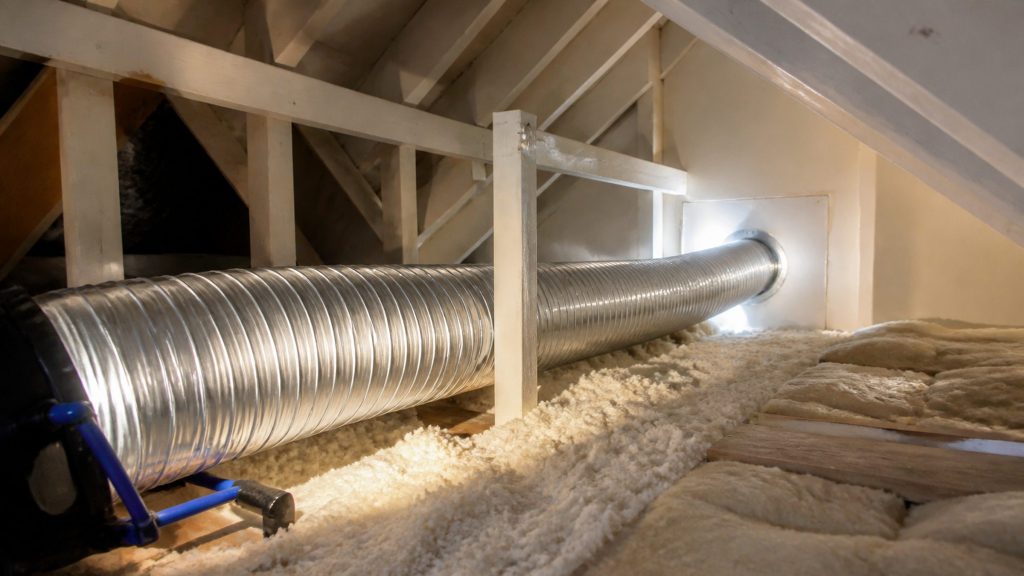
Dryer Vent Cleaning: How Often, and Why Florida Is Different
Humid air, long horizontal runs and a flap held open by lint. The interval that works in a dry climate does not work here.
Read more
Tell us the model number and what it is doing.
This article is based on:
- Official manufacturer documentation
- Internal repair procedures
- Technician repair history
- Company quality standards