Common Problems
GE Appliance Noises: The Ones GE Says Are Normal, and the Ones That Are Not
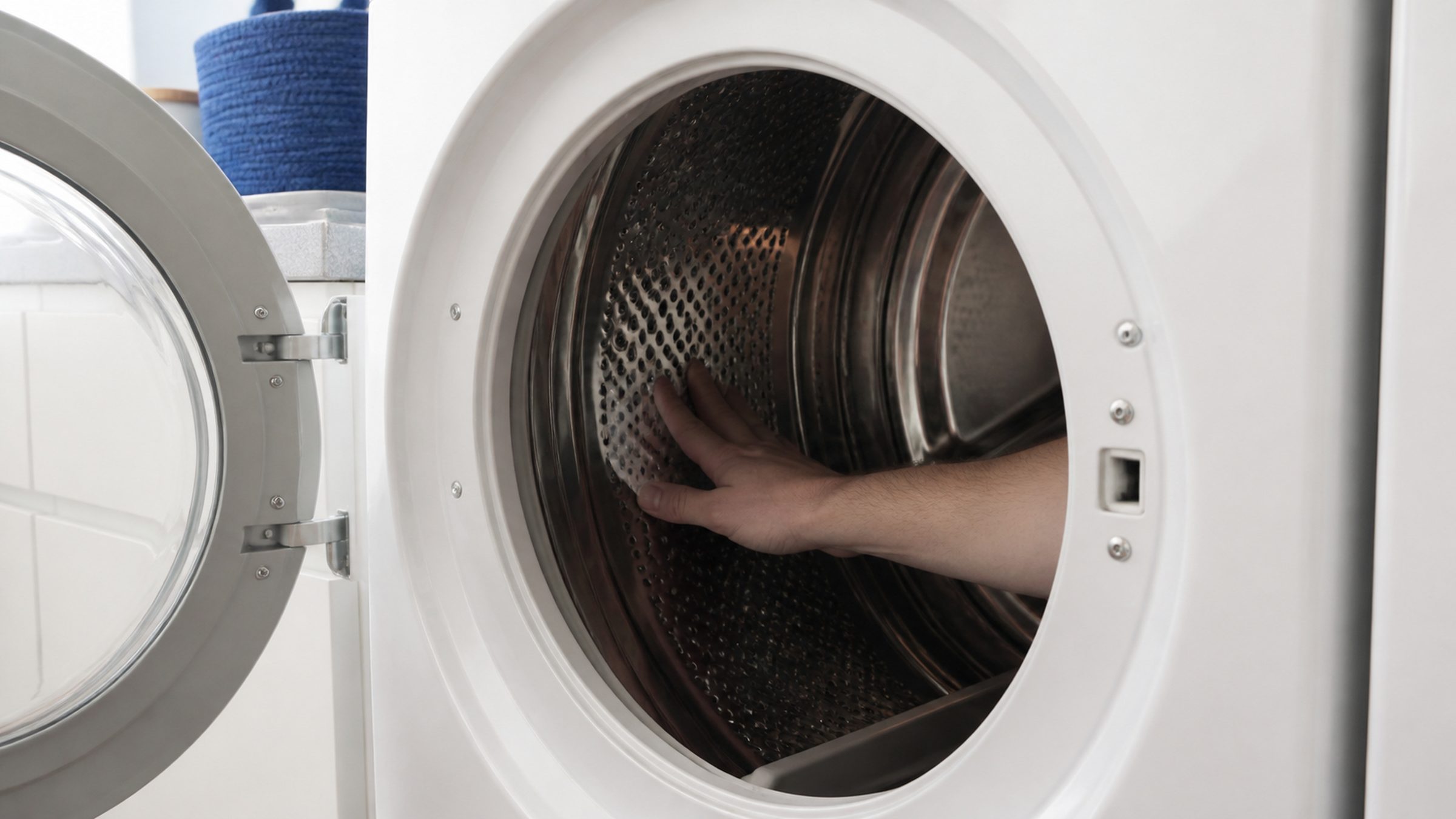
Some of them are documented as normal by GE themselves. Their HydroWave washers make sounds owners do not expect, and GE publishes an article saying so. A washer banging while it fills is house plumbing — water hammer when the fill valve closes — and their own advice is to call a plumber rather than an appliance engineer. The noises that are not normal follow a pattern: anything that got louder gradually, anything that changes with the drum turning by hand, and anything metallic. A dryer squeal is a roller or an idler pulley, and it is the clearest example on this site of a repair that doubles in price by waiting, because a seized roller takes the belt with it.
The full guide
Ge washer making loud noise when spinning: is it the machine?
Some of it is, and a surprising amount of it is not — and GE publishes documents about both, which is unusual and useful.
The noises GE says are normal
HydroWave washers. GE has a whole article explaining the sounds these machines make, because they genuinely sound different from what people expect and the calls kept coming. If yours has always made the noise, that is a completely different conversation from one that started last week — which is the first thing we ask.
Banging while filling. Their answer to that one is not the appliance at all: it is most likely plumbing, rattling pipes when the fill valve snaps shut. Their own advice is to call a plumber. We would rather tell you that before a visit than during one.
Ice production. A refrigerator icemaker cycling, dropping cubes and refilling is a startling amount of noise at three in the morning and entirely normal.
The ones worth acting on
Three patterns separate these from the ones above.
It got louder gradually. Wear rather than an event. A dryer squeal that has been there a month, a washer that hums louder each season.
It changes when you turn the drum by hand. With the machine off, turn the drum. Grinding, resistance or free play each point at a different part, and all three mean something mechanical. This is the single most informative thing anybody can do before calling.
It is metallic, and it is new. Something has come loose or broken. Stop the machine.
The dryer squeal, which is the classic
A dryer that squeals is a drum roller, an idler pulley or a glide. GE distinguishes dryer noises in their own support article for exactly this reason.
It is worth booking early and the reason is arithmetic rather than urgency. A roller caught while it is squealing is a cheap repair. A seized roller takes the belt with it, and sometimes the motor, and then it is a different figure. These parts also wear as a set, so replacing one of a worn group is how a repair repeats itself in six months — we do them together.
Describing it usefully
The adjective matters less than the moment. On the phone, the useful answers are:
- When: filling, washing, draining, spinning, idle, or only at the start.
- Since when: always, this month, or suddenly.
- What changed: a move, a heavy load, a new installation, a power cut.
Three sentences, and they narrow a diagnosis further than any recording.
The one that means stop
Anything accompanied by a burning smell, and anything metallic and repeated at speed. Those are not diagnostic puzzles — switch the appliance off at the breaker and leave it off. Running a machine that is grinding metal against metal turns a part into an assembly.
Questions people ask about this
My washer bangs when it fills with water.
GE's own article says that is most likely plumbing — rattling pipes when the valve closes — and suggests calling a plumber. It sounds exactly like something breaking inside the machine and it is not.
The dryer squeals but still dries.
Book it now rather than later. A roller caught early is a cheap repair; a seized one takes the belt and sometimes the motor.
The refrigerator clicks every few minutes.
Usually normal — a defrost timer, a damper, or the icemaker cycling. Clicking with no cooling is different and belongs on the not-cooling page.
How do I describe a noise on the phone?
When it happens matters more than what it sounds like: filling, washing, draining, spinning, idle. That alone narrows it further than any adjective.
Common Problems
More guides like this one
-
Why a GE Refrigerator Stops Cooling, in the Order It Is Worth Checking
GE's own troubleshooting runs settings, then airflow, then defrost — and the sealed system everybody fears is last. In this climate the middle two do most of the work.
Read more -
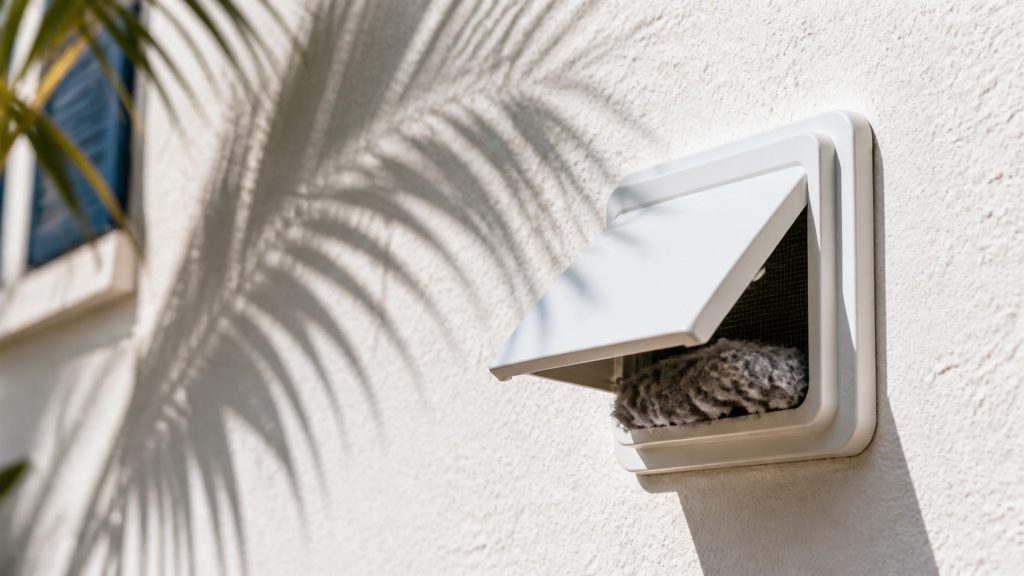
Why a GE Dryer Takes Two Cycles in Florida, and What It Is Costing
The duct, not the dryer — and in this county the duct is usually long, horizontal and carrying humid air, which is why the same machine dries fine in Ohio.
Read more -
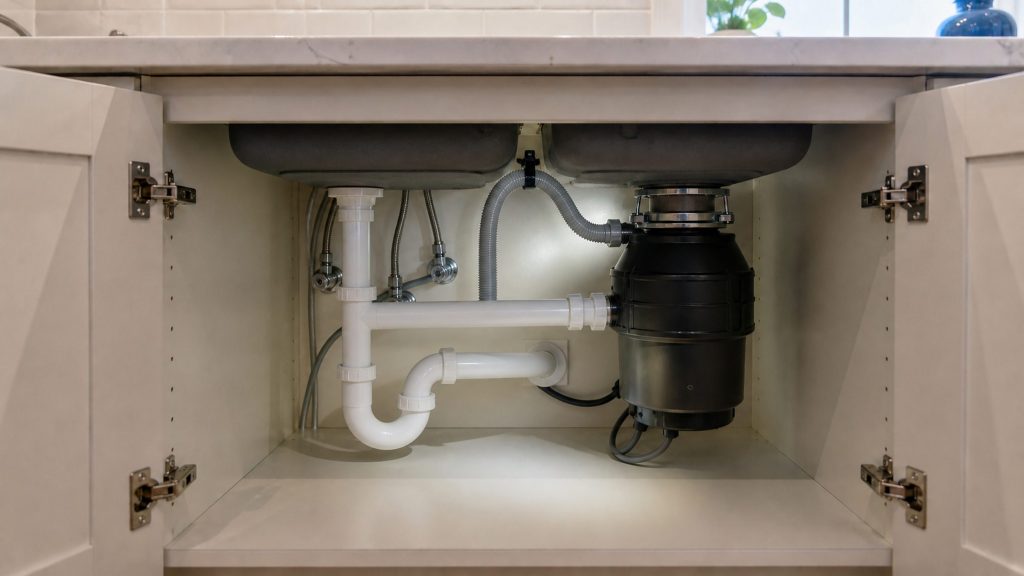
GE Dishwasher Not Draining: Start Under the Sink, Not Under the Machine
GE's own list begins with the air gap, the hose and the disposer. The commonest cause after a kitchen remodel is a plug that was never knocked out.
Read more
Tell us the model number and what it is doing.
This article is based on:
- Official manufacturer documentation
- Internal repair procedures
- Technician repair history
- Company quality standards