Safety & Risks
A Restricted Dryer Vent Is a Fire Risk: How to Tell Before It Is One
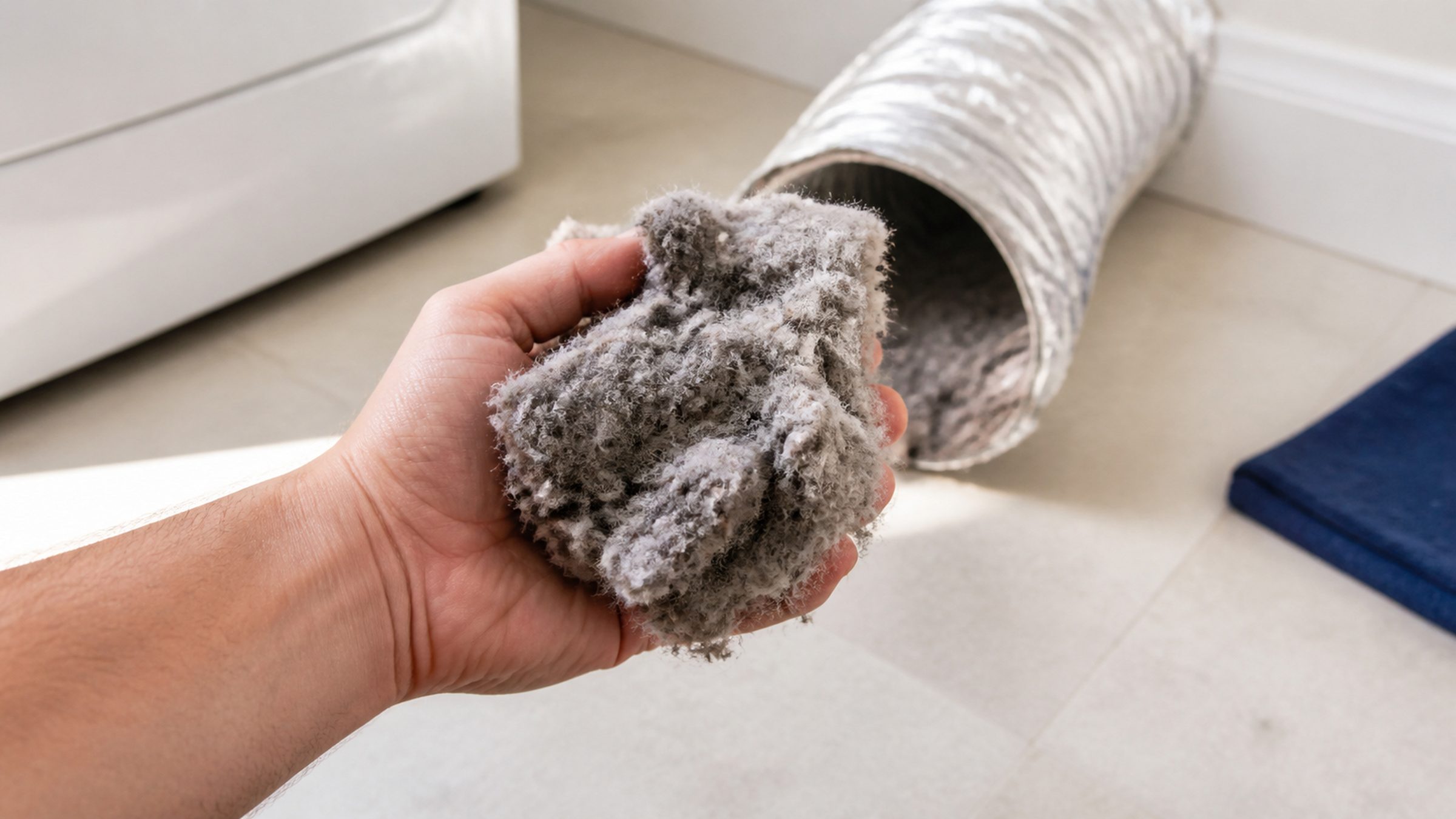
The signs run in order. First, loads take longer than they used to. Then the laundry room gets warm and humid while the machine runs, and the clothes come out hot rather than dry. Then a thermal cut-out opens and the dryer stops heating altogether — which is protection working, and it opened because the housing overheated, which is airflow. The one that means stop immediately is a burning smell: switch the dryer off at the breaker and do not run it again until the duct has been cleared and the machine checked. A restricted dryer vent is the recognized fire risk in a laundry room, and every stage above is the appliance telling you about it in advance.
The full guide
Ge dryer overheating: the signs, in order
This is one of the few pages on this site about safety rather than economy, and the useful thing about it is that the appliance warns you in stages.
Stage one: loads take longer than they used to. Not dramatically. A little, then more. This is the earliest sign and the one everybody adapts to instead of noticing.
Stage two: the clothes come out hot but still damp, and the laundry room gets warm and humid while the machine runs. The dryer is heating perfectly and the moist air is not leaving the building.
Stage three: no heat at all. A thermal cut-out has opened. This is protection working correctly, and it is the appliance stopping itself before anything worse happens.
Stage four, which skips the queue: a burning smell. Switch it off at the breaker. Do not run it again until the duct has been cleared and the machine checked.
Why a blown cut-out is a message
This is the part worth understanding, because it decides whether the repair lasts.
A thermal cut-out does not fail of old age, generally. It opens because the housing got too hot, and the housing got too hot because air was not leaving. The cut-out is a symptom of the duct.
Replacing it and closing the machine up gives you a working dryer and the identical problem, and the next cut-out opens in a few months. That is why we do not quote that repair without the vent — not as an upsell, but because the alternative is selling the same job twice.
What makes it worse here
Long, flat runs through single-story houses. Humid air that makes lint pack instead of blow through. And an outside flap exposed to weather all year, which lint eventually props open so that damp outside air comes back down the duct.
None of that is exotic. It is simply that a duct in this county fills faster than the interval in the manual assumes.
The check that takes a minute
Run the dryer and put your hand in front of the outside vent hood. Strong push, flap lifted: the duct is clear. Trickle, flap barely moving: that is the whole diagnosis, and no part inside the appliance will change it.
Do it once a season. It costs nothing and it is the only test on this page anybody needs.
What to do, and when
- Now, if there is any burning smell. Breaker off, and do not restart it.
- This week, if the dryer has stopped heating, or if loads have started taking two cycles.
- This year, if neither of those is true and it has been more than a year since the duct was cleared. That is the whole of the maintenance, and it is the cheapest line on our price list on purpose.

Questions people ask about this
Is this really a fire risk or is it a sales line?
It is the recognized one for a laundry room, which is why building codes address dryer ducting specifically. It is also why we price vent cleaning at the bottom of our list rather than the top.
My dryer stopped heating. Is that dangerous?
That is protection doing its job — a thermal cut-out opened before anything worse happened. What is dangerous is replacing the cut-out and not asking why it opened.
How hot should the clothes be?
Warm and dry at the end of a cycle. Hot and still damp is the signature of a machine heating fine and not moving air.
Does a lint trap full every load mean it is working?
It means the filter is doing its part. The duct is what nobody sees, and it fills regardless.
Safety & Risks
More guides like this one
-
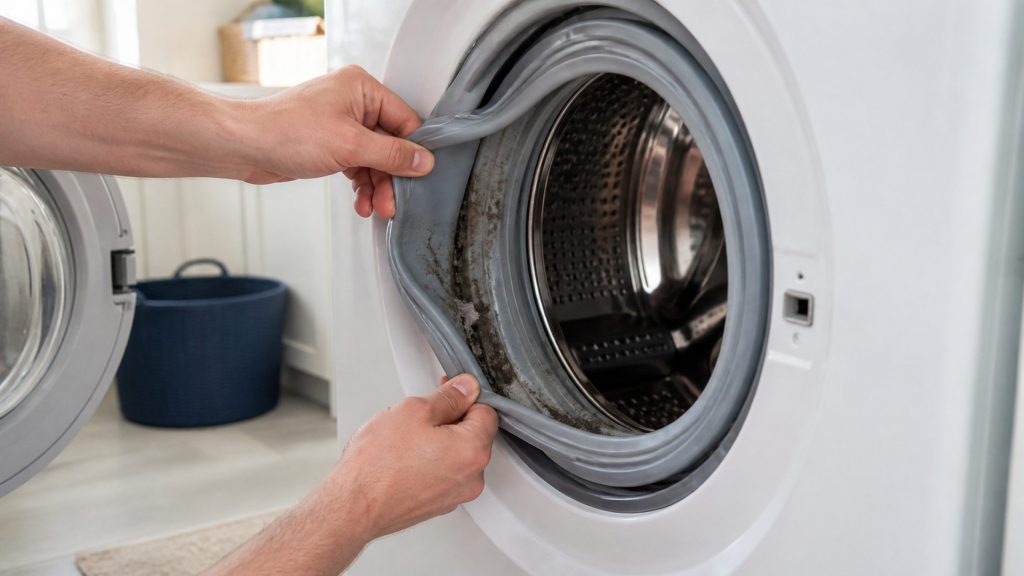
Why a GE Washer or Dishwasher Smells, and What Actually Fixes It
In this climate a front loader's door seal and a dishwasher's filter grow something within months if the door is kept shut. Both are habits before they are repairs.
Read more -
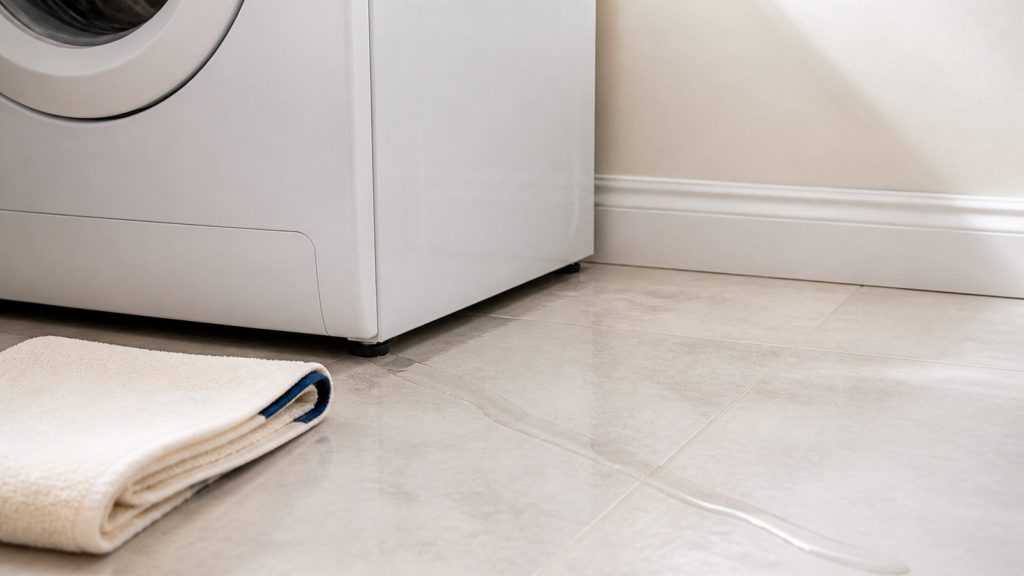
Water Damage From an Appliance: What Leaks Slowly and Costs the Most
The dangerous leaks are not the puddles. They are the slow weeps behind a machine that reach a floor before anybody sees water.
Read more -
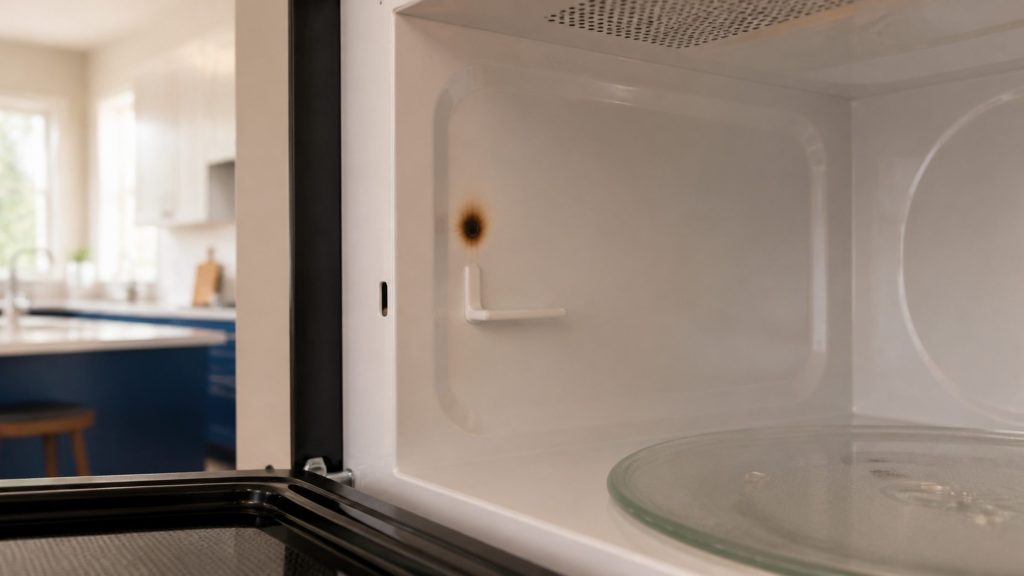
Sparks Inside a GE Microwave: Stop, and Why
GE calls it arcing and documents its causes. Every extra minute of running damages the cavity further, and a scorched cavity usually ends the appliance.
Read more
Tell us the model number and what it is doing.
This article is based on:
- Official manufacturer documentation
- Internal repair procedures
- Technician repair history
- Company quality standards