Safety & Risks
Why a GE Washer or Dishwasher Smells, and What Actually Fixes It
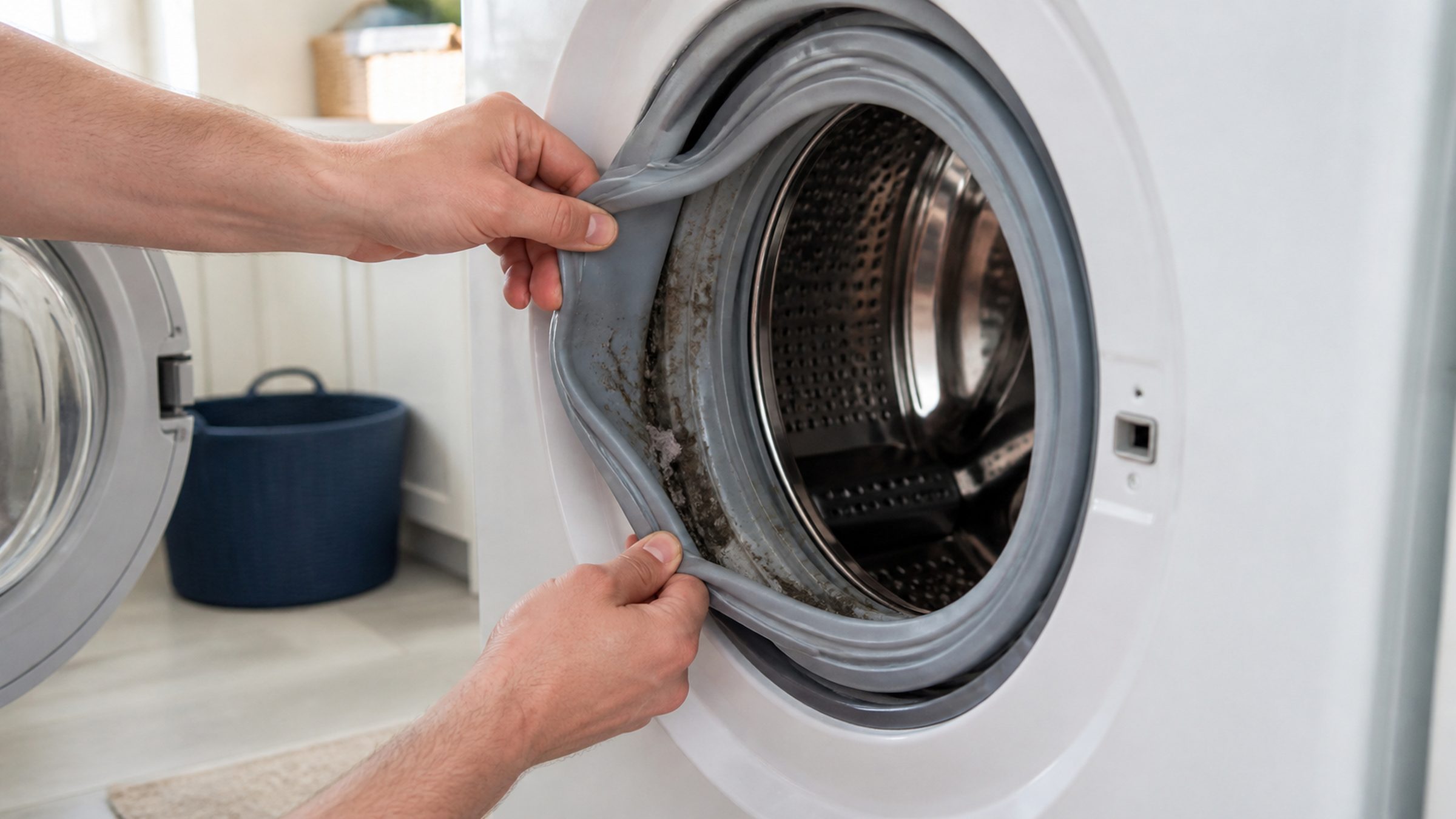
On a front-load washer the smell is nearly always the door boot seal, which holds water by design and grows mold in a warm humid house when the door is kept closed. Turn the seal out and clean inside the fold, run a hot maintenance cycle, and then leave the door ajar between washes — that last habit prevents most of it and costs nothing. On a dishwasher the smell is the filter and the sump, both of which are user-serviceable on most GE models and both of which collect food. A smell that survives cleaning both is usually the drain hose holding water where it should not, which is a high-loop problem. Mold and mildew are a health matter as much as a nuisance, which is why this sits under safety.
The full guide
Ge dishwasher smells — and the washer, which is the same story
Two appliances, one climate, one cause: water that stays where it was designed to stay, in a house that is warm and humid all year.
The front-load washer
The door boot seal holds water by design. That is not a defect — it is what makes the seal work. What the design assumes is that the door gets left open between washes so the seal dries.
In a Miami house with the door kept shut, it does not dry. Within months there is a smell, then a dark line in the fold, then a stain on light-colored laundry.
What to do:
- Turn the seal out and look inside the fold. Grit, hair, coins and lint live there, and so does the smell.
- Clean the fold with a household cleaner and a cloth. Get all the way round, including the bottom where water pools.
- Run a hot maintenance cycle, empty, with whatever the manual specifies.
- Then leave the door ajar. This is the whole of the prevention, and it is free.
If the seal is torn or badly deteriorated it needs replacing — but a new seal in the same habits goes the same way, so the habit comes with the repair.
The dishwasher
Two places, both user-serviceable on most GE models and both unknown to most owners.
The filter, at the bottom of the tub, which lifts out. What is in it is usually the answer, and the same neglect produces both the smell and grit on the dishes.
The sump, at the back bottom of the tub. GE describes it as looking like an upside-down silverware basket, which is exactly why nobody recognizes it.
Clean both, run a hot cycle empty, and see whether it comes back.
When cleaning does not fix it
The drain hose is holding water. A hose without a high loop lets waste water sit, and warm water that sat in a hose smells every time the machine runs. The repair is re-routing the hose, not cleaning the machine.
The air gap on sinks that have one collects what it passes and eventually holds it.
The disposer, shared drain and all. Running it before a wash cycle is GE's own advice for a different problem and helps with this one too.
The part that belongs under safety
Mold and mildew are a health matter in a household with asthma or allergies, and this climate is the ideal one for both. That is why this page sits here rather than under maintenance.
It is also, unusually, a problem where the fix is a habit rather than a part. Leave the washer door ajar. Clean the dishwasher filter every month or two. Between them those two habits prevent most of the calls this page describes, and neither costs anything.
Questions people ask about this
Is a moldy washer seal dangerous?
It is a health nuisance rather than an emergency, and it matters more in a household with asthma or allergies. It is also completely preventable, which is the point of this page.
Do cleaning tablets work?
They help with residue and film. They do not reach into the fold of a boot seal or into a dishwasher sump, which is where the smell usually lives.
My dishwasher smells only after it runs.
That points at the drain path rather than the tub — a hose without a high loop holds water, and warm water that sat in a hose smells.
Can the seal be replaced instead of cleaned?
Yes, and on a badly deteriorated one that is the right call. But a new seal in the same habits goes the same way, so the habit comes with the repair.
Safety & Risks
More guides like this one
-
Water Damage From an Appliance: What Leaks Slowly and Costs the Most
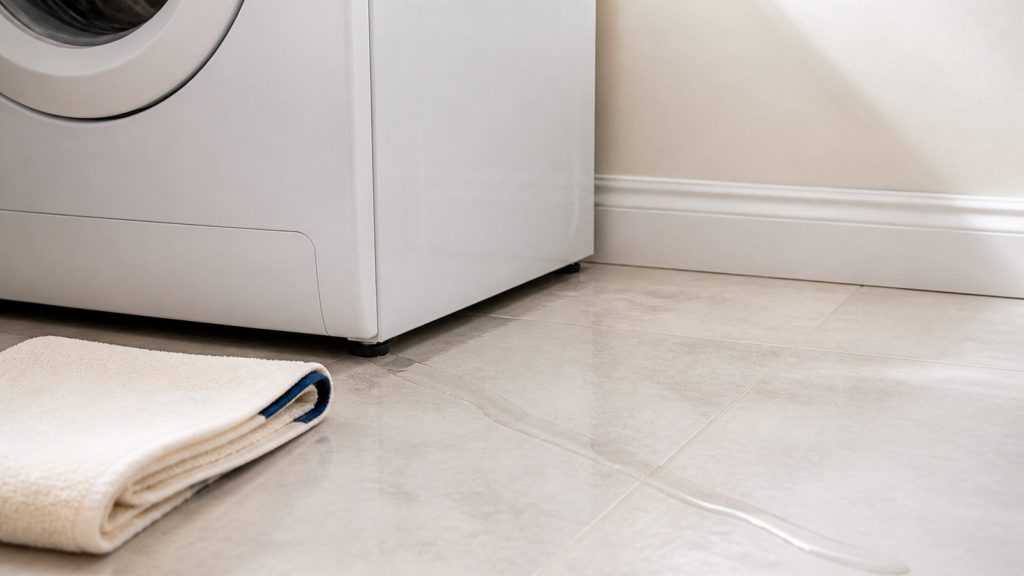
The dangerous leaks are not the puddles. They are the slow weeps behind a machine that reach a floor before anybody sees water.
Read more -
Sparks Inside a GE Microwave: Stop, and Why
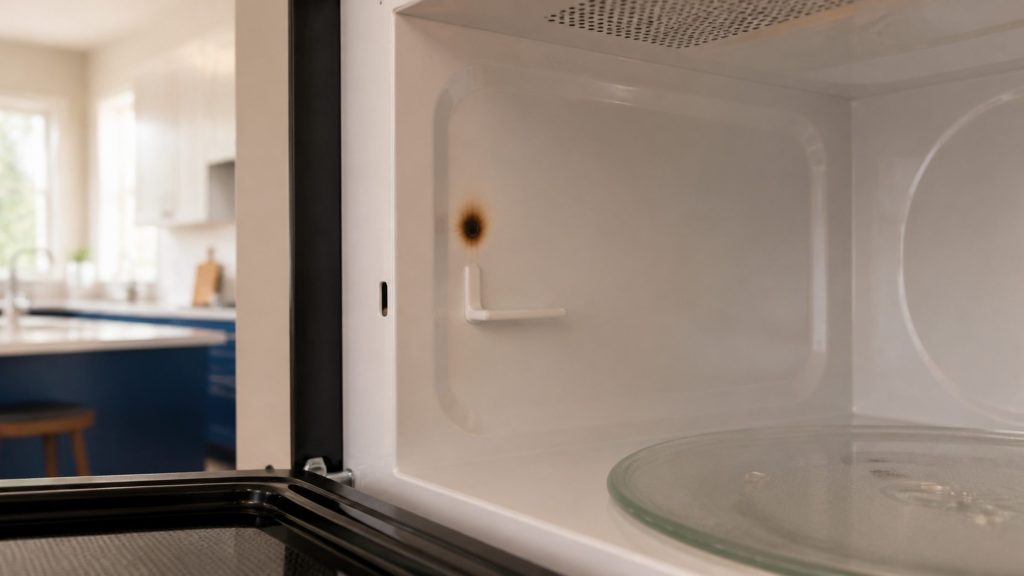
GE calls it arcing and documents its causes. Every extra minute of running damages the cavity further, and a scorched cavity usually ends the appliance.
Read more -
A Restricted Dryer Vent Is a Fire Risk: How to Tell Before It Is One
A dryer taking two cycles is telling you about airflow. Thermal cut-outs open because the housing overheated — that is a message, not a failure.
Read more
Tell us the model number and what it is doing.
This article is based on:
- Official manufacturer documentation
- Internal repair procedures
- Technician repair history
- Company quality standards