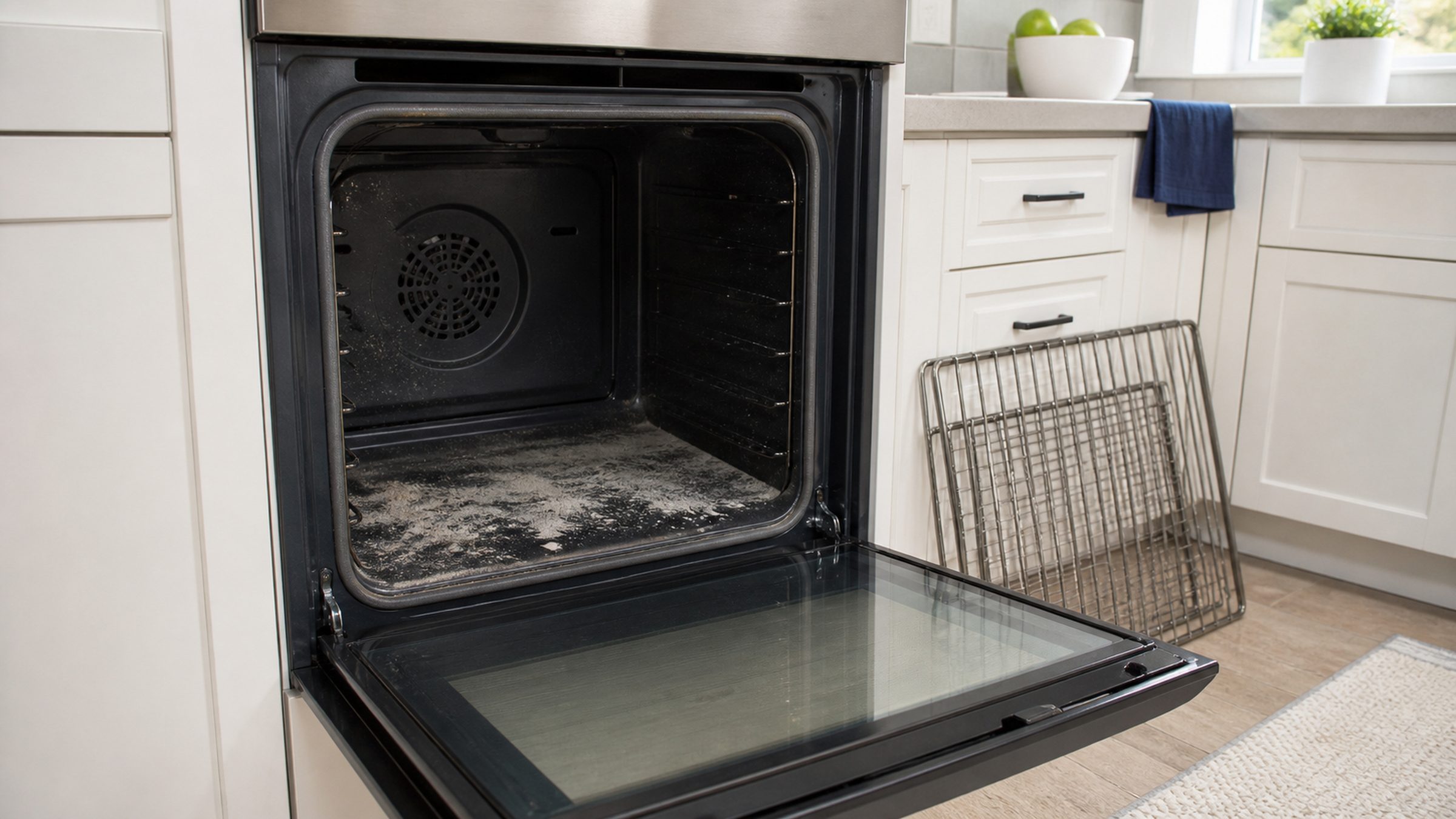
Maintenance & Prevention
GE Self-Clean: What the Cycle Actually Does, and Why Things Break During It
Self-clean heats the cavity far above any cooking temperature and burns residue to ash, and the door locks for the duration because that temperature is genuinely dangerous. Two consequences follow. The door will not release until the cavity has cooled below a set point, which can take well over an hour after the cycle ends — a great many calls about a locked oven are placed too early. And the cycle is the hardest thing the appliance ever does, so an ageing element, sensor, lock motor or control is more likely to give up during it than at any other time. If an oven is old and a holiday is coming, run the cycle well in advance or clean it by hand instead.
The full guide
Ge oven self clean: what is actually happening
The cycle raises the cavity far above any cooking temperature and holds it there, turning residue to ash that wipes out with a cloth. Nothing is sprayed and nothing chemical is involved. The door locks because at that temperature an open door would be genuinely dangerous.
That is the whole mechanism, and both of its consequences are things people call us about.
Consequence one: the door stays locked
It will not release until the cavity has cooled below a set point, and that takes well over an hour after the cycle ends — longer in a warm kitchen, longer again if the oven is built into joinery that holds heat.
A large share of "my oven door is locked" calls are placed forty minutes too early, and the appliance opens itself while we are on the way. Wait until it is properly cold before deciding anything is wrong.
If it is cold and still locked, that is the lock motor or its switch. GE's reset is thirty seconds at the breaker. Their codes F9 and FC both point at the door lock circuit — two codes, one circuit, which is worth knowing before anybody quotes two repairs.
Consequence two: this is when things fail
The cycle is the hardest thing the appliance ever does. Everything that is near the end of its life reaches the end of it here:
- The bake element, which spends the cycle at maximum.
- The oven sensor, which is being asked to read a temperature at the top of its range.
- The lock motor and its switch, which spend most of their lives doing nothing and are then asked to work hot.
- The control relays, which switch that load.
This is not an argument against self-clean. It is an argument about timing: if the oven is old and a holiday is coming, run the cycle two weeks early or clean it by hand. An oven that fails on the twenty-third of December failed because of when the cycle was run, not whether.
What GE's codes say during and after
F2 or F20 — the cavity exceeded a preset threshold. Common after self-clean, and it means stop rather than reset and run it again. The usual causes are a sensor reading wrongly or a relay that stuck closed and kept heating, and those are different repairs at different prices.
Unlock Door — the door will not unlock after a clean cycle. Cool first, then reset.
Loc Door flashing with no clean cycle selected — GE documents this one separately, and the distinction matters: a lock message during self-clean is normal, and the same message without one is the lock circuit reporting a problem.
Practical rules
- Take the racks out unless the manual says otherwise; many finishes discolor at cleaning temperatures.
- Ventilate. The smell is real and it is worse in a closed house in August.
- Do not run it the day you need the oven. Between the cycle and the cool-down, plan on the best part of a day.
- Wipe out the ash once it is cold. That is the whole of the cleaning part.
The alternative, honestly
On an oven more than about ten years old, hand cleaning is the lower-risk choice, and there is no shame in it. The date code on the serial tells you which side of that line you are on — a letter for the month and a letter for the year, readable off the plate in seconds.
Questions people ask about this
The door is locked and the oven is cold.
If it is genuinely cold and still locked, that is the lock motor or its switch rather than the cycle. GE's reset is thirty seconds at the breaker; if it stays locked after that, it is a repair.
Why does the oven stop working after a self-clean?
Because the cycle is the maximum stress the appliance sees. A bake element, an oven sensor, a thermal cut-out or the lock assembly that was near the end of its life reaches it during that cycle.
Is self-clean bad for the oven?
It is not designed to be, but it does find weakness. On a much older oven, cleaning by hand is the lower-risk choice.
What is LOC DOOR flashing with no clean cycle running?
That is the lock circuit reporting rather than the cycle. GE documents it separately, and it is a repair rather than something to wait out.
Maintenance & Prevention
More guides like this one
-
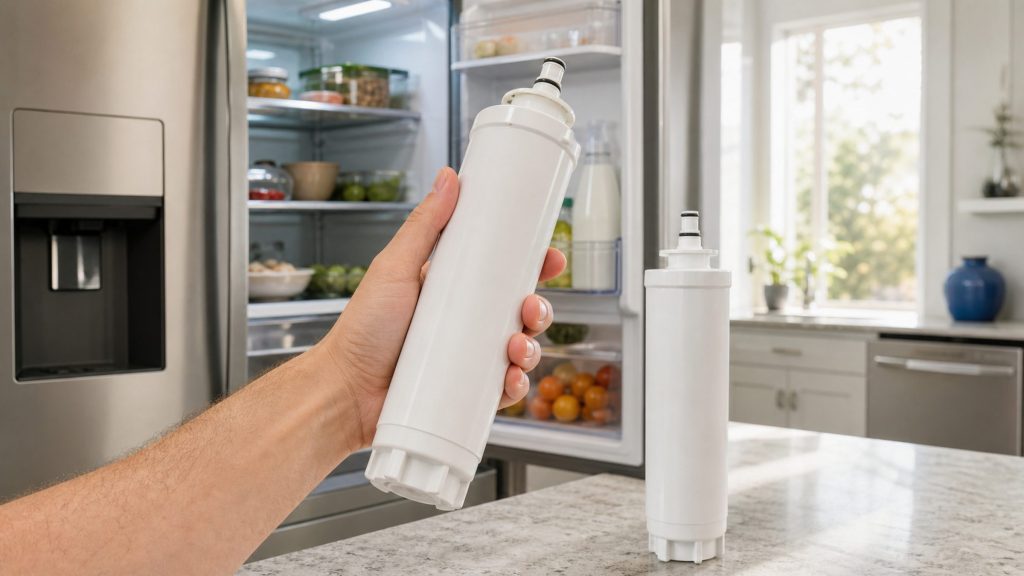
How Often a GE Water Filter Really Needs Changing in South Florida
GE's interval is six months. On this water that is optimistic, and a starved water path looks exactly like a failing icemaker.
Read more -
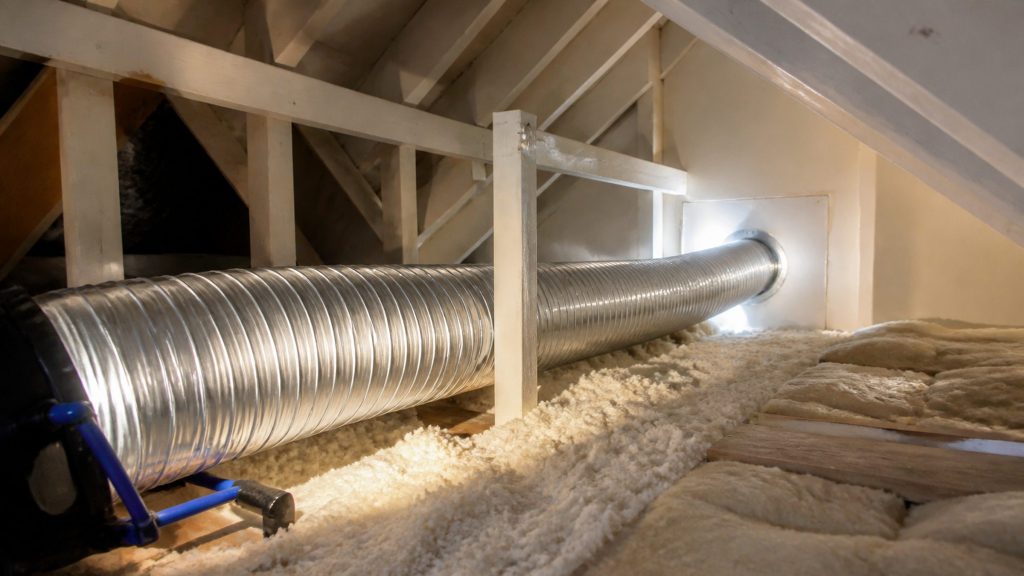
Dryer Vent Cleaning: How Often, and Why Florida Is Different
Humid air, long horizontal runs and a flap held open by lint. The interval that works in a dry climate does not work here.
Read more -
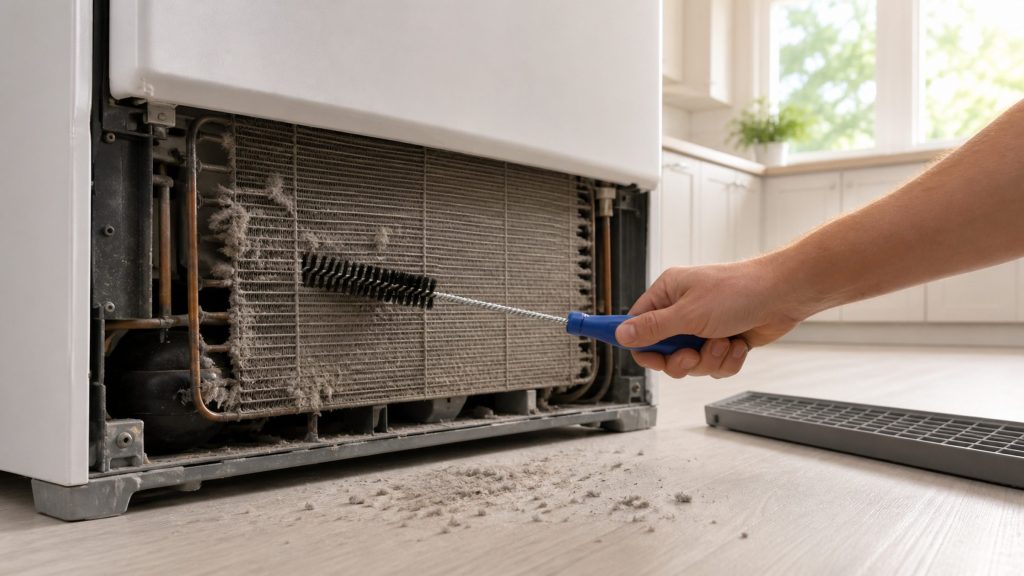
Cleaning a GE Refrigerator Condenser: The Maker’s Own First Answer
It is what GE names first for a unit that is not cold enough, and in a Miami kitchen a floor-level coil fills faster than any manual assumes.
Read more
Tell us the model number and what it is doing.
This article is based on:
- Official manufacturer documentation
- Internal repair procedures
- Technician repair history
- Company quality standards