Maintenance & Prevention
How Often a GE Water Filter Really Needs Changing in South Florida
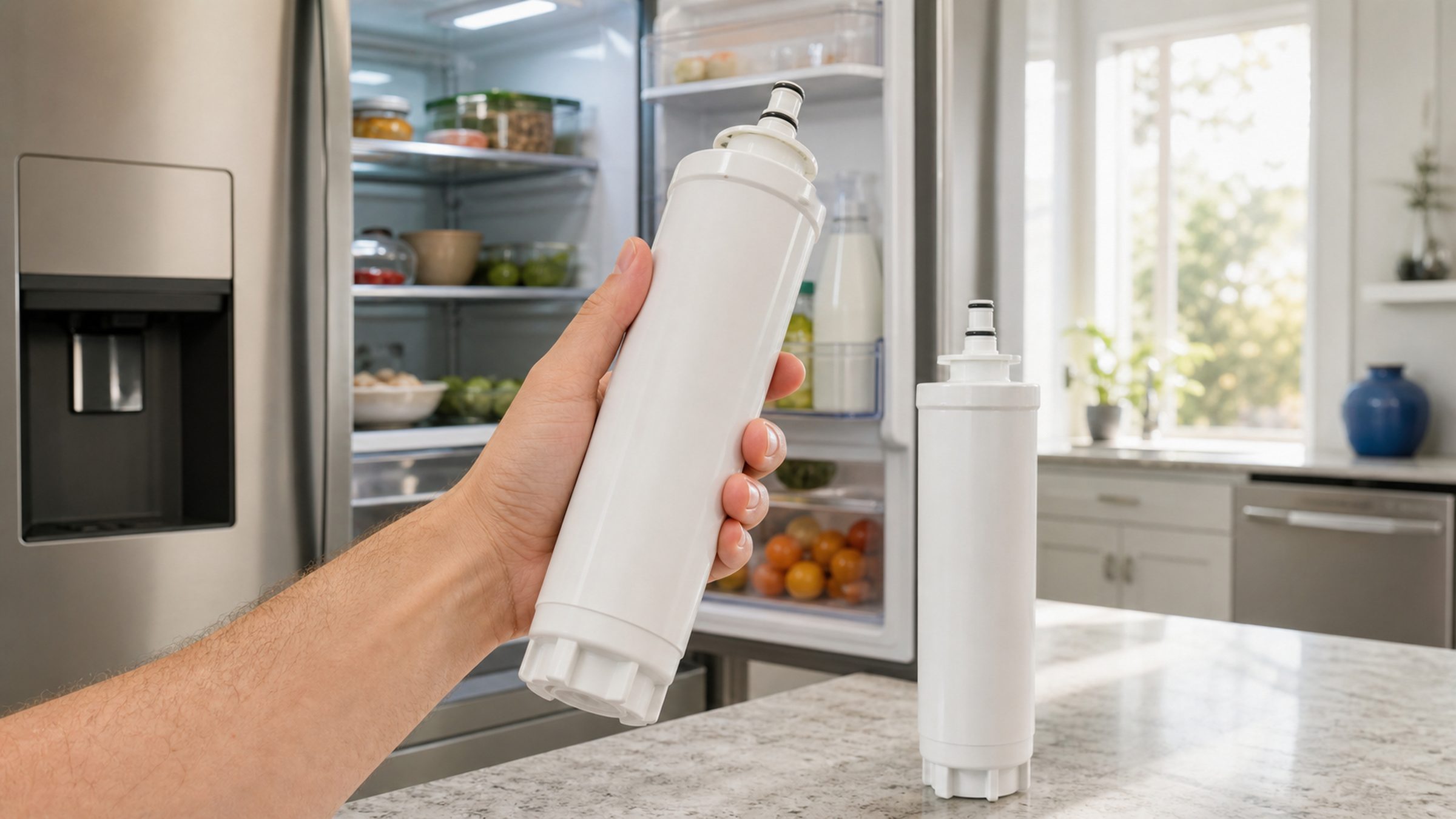
GE's stated interval is six months, and in this county that is a maximum rather than a target. A filter past its life restricts flow, and the symptoms arrive as appliance problems rather than filter ones: hollow or small ice cubes, water that dribbles and stops, and an icemaker that appears to have died. Change it on schedule, and when you do, check two things nobody checks — that the new cartridge is fully seated, because one not properly engaged restricts flow exactly like an exhausted one, and the shut-off valve at the supply, since old saddle valves silt closed slowly and produce the same symptoms. Flushing several gallons through a new filter is part of the job, not an optional step.
The full guide
Ge water filter replacement: what six months means here
GE says six months. That figure assumes water this county does not have.
Filters do two jobs — they improve taste and they trap particles — and it is the second one that decides the interval. On harder, mineral-rich supply the cartridge loads up faster, and what you notice first is not the taste. It is the flow.
The symptoms that do not look like a filter
This is why the subject earns a page. A restricted filter presents as an appliance problem:
- Hollow or small ice cubes. The mold fills for a fixed time, so less water per cycle means a smaller cube rather than a longer wait.
- Ice production dropping without stopping.
- Water that dribbles and stops at the dispenser.
- An icemaker that appears to have died.
Every one of those gets diagnosed as a failing icemaker somewhere in this city every week, and the answer is a twenty-dollar cartridge.
What to check while you are there
Seat it properly. A cartridge not fully engaged restricts flow exactly like an exhausted one, and it is easy to leave a quarter-turn short. If flow does not improve after a change, this is the first thing to suspect.
Flush it. Several gallons through the dispenser after fitting. It clears carbon fines and the trapped air that otherwise produces a spitting dispenser and cloudy first glasses.
Look at the shut-off valve. This is the one nobody checks. Old saddle valves — the small clamp-on ones piercing a copper line under the sink — silt closed slowly over years. A valve that is half closed starves the appliance regardless of how new the filter is, and it is the commonest genuine restriction we find in older houses here.
Note the date. Write the month on the cartridge. Filter lights get reset by other people and lost in power cuts; a marker pen does not.
Bypass, and the honest answer about it
Most GE refrigerators will run with a bypass plug instead of a filter, and the water is still drinkable municipal supply. If somebody in the house is only using the dispenser for the dog and the ice is the point, that is a legitimate choice.
What it is not is a fix for low flow. If the appliance dispenses poorly with a bypass fitted, the restriction is downstream or upstream of the filter housing, and the diagnosis moves to the line, the valve or the door tube.
When it is not the filter at all
Two other things produce the same symptoms and need saying:
A partly frozen line in the door. The tube through the door is the coldest part of the water path. Partial ice gives a dribble that stops, and it gets worse in cool weather — the opposite of what people expect. Replacing filters will not touch it.
Pressure at the house. A supply that is genuinely low delivers a poor fill and a slow dispenser with everything else in perfect condition. It is measured rather than assumed, and it changes the conversation from a repair to a plumber.
Questions people ask about this
What happens if I never change it?
Flow drops before taste does. The icemaker starves first — smaller and hollow cubes — then dispensing slows. People replace icemakers over this.
Are aftermarket filters fine?
Some are and some restrict flow from new. If ice production drops within weeks of a filter change, suspect the filter before the machine.
Do I need to flush it?
Yes. Run several gallons through after fitting — it clears carbon fines and the air that otherwise gives you a spitting dispenser.
My refrigerator has no filter light.
Then use a date. Write the month on the cartridge with a marker when you fit it; it is the only reminder that survives a house move.
Maintenance & Prevention
More guides like this one
-
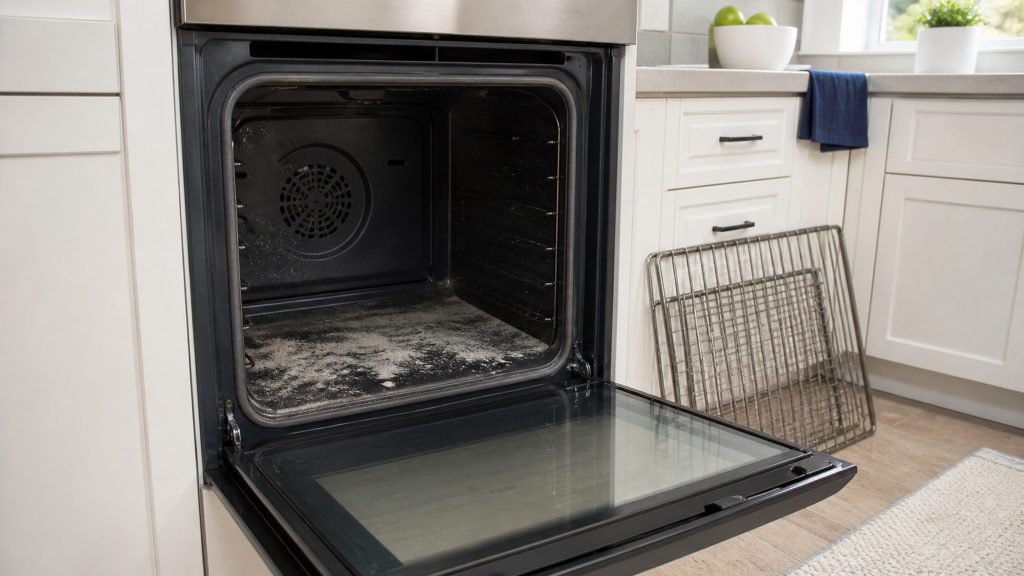
GE Self-Clean: What the Cycle Actually Does, and Why Things Break During It
The cycle runs the cavity far hotter than cooking ever does. If an oven is going to fail this year, self-clean is when.
Read more -
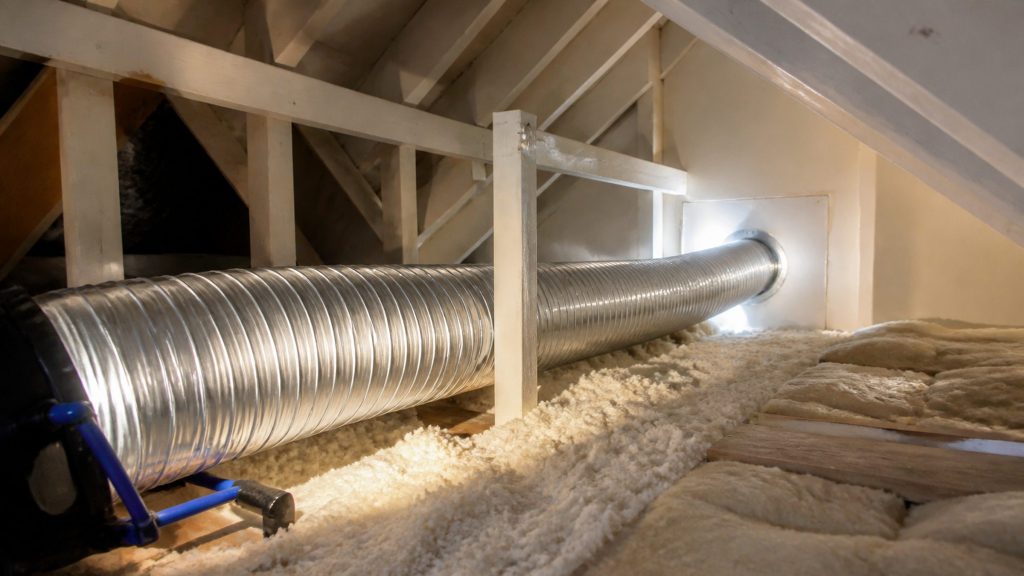
Dryer Vent Cleaning: How Often, and Why Florida Is Different
Humid air, long horizontal runs and a flap held open by lint. The interval that works in a dry climate does not work here.
Read more -
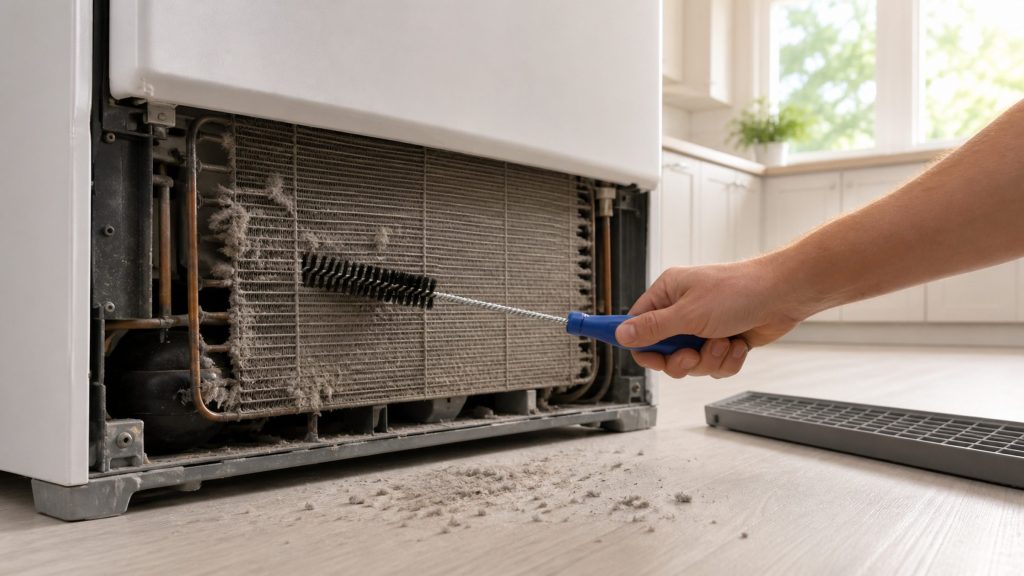
Cleaning a GE Refrigerator Condenser: The Maker’s Own First Answer
It is what GE names first for a unit that is not cold enough, and in a Miami kitchen a floor-level coil fills faster than any manual assumes.
Read more
Tell us the model number and what it is doing.
This article is based on:
- Official manufacturer documentation
- Internal repair procedures
- Technician repair history
- Company quality standards