Safety & Risks
Sparks Inside a GE Microwave: Stop, and Why
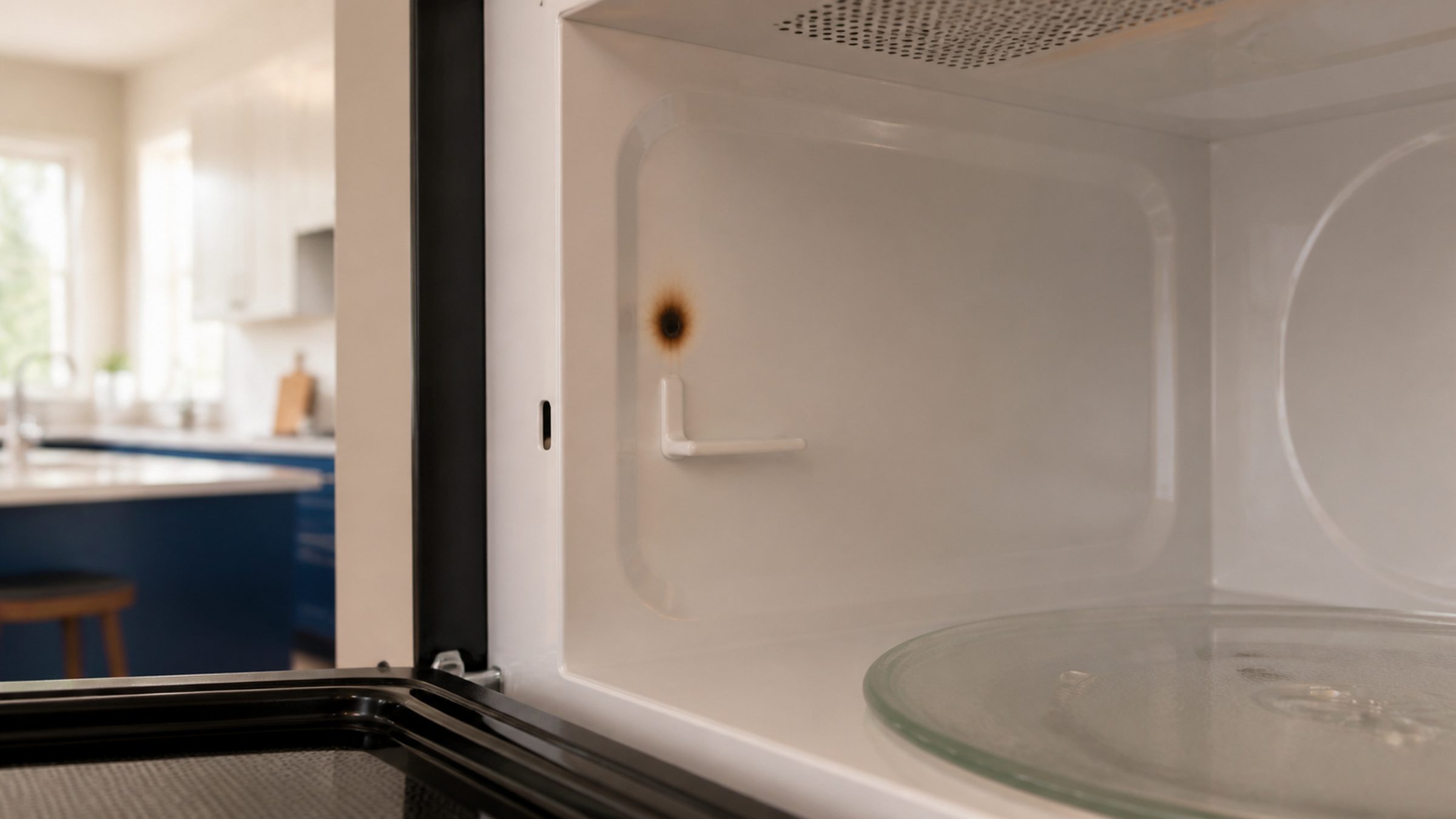
Stop the microwave and unplug it. GE calls this arcing and names the causes: metal or foil touching the interior side or back of the oven, metal utensils, or the metal rack placed improperly on the shelf supports. Those are the fixable ones. The other cause is the interior coating chipped, peeling or scorched, and that is different — arcing damages the cavity further every time it happens, and a badly scorched cavity usually ends the appliance rather than starting a repair. Do not keep running it to see whether it does it again. And do not open the case: a microwave capacitor holds a dangerous charge after the appliance is unplugged, which is why the high-voltage side is licensed work.
The full guide
Why is my ge microwave sparking: stop first
Unplug it. That is the whole of the first step, and it matters because the damage is cumulative: every arc burns the spot it lands on, and the burned spot is where the next one goes.
People run a microwave a second time to check whether it really did that. It really did, and the second run makes the repair less likely to be worth doing.
What GE says causes it
They use the word arcing, and they name the causes:
- Metal or foil touching the interior side or back of the oven.
- Metal utensils used in the cavity.
- The metal rack placed improperly on the shelf supports — which is a specific and common one, because the rack is supplied with the appliance and looks like it belongs anywhere.
All three are user causes, and all three mean the appliance is fine once the cause is removed. Check what was in there before assuming the worst.
The cause that is not fixable that way
The interior coating chipped, peeling or scorched.
The cavity is coated, and the coating is part of how the appliance contains the energy. Once it is broken — by an arc, by a scouring pad, by years of a rack scraping the same spot — that place arcs preferentially, and each event makes it worse.
GE has an article specifically about cavity repair for arcing, chipping, peeling or scorching, which tells you it happens often enough to document. In practice, on a domestic unit, a badly scorched cavity is where repair stops being sensible.
The part nobody should open
A microwave capacitor holds a dangerous charge after the appliance is unplugged. It does not care how careful anybody is, and it does not discharge because the machine has been off overnight.
That is why the high-voltage side — magnetron, diode, capacitor — is licensed work, and it is the one category on this site where we would genuinely rather somebody called any competent company than took the case off themselves.
The same applies to the no-heat symptom: a microwave that runs, turns the plate and lights up but heats nothing is usually a high-voltage problem, and it is not a home repair at any level of confidence.
When it is worth repairing
Over-the-range, built-in and drawer units: usually yes. Replacing one is joinery as well as shopping, and the ventilation half of an over-the-range unit is a separate and much smaller repair when that is what failed.
Countertop units: usually not, once the high-voltage side or the cavity has gone. The appliance costs less than the work.
We will tell you which you have before quoting, and the date code on the serial is part of that answer.
Questions people ask about this
It sparked once and seems fine now.
Find out what was in it. If it was foil, a metal-trimmed dish or the rack touching a wall, that was the cause and the appliance is probably fine. If nothing metal was in there, look at the cavity walls.
There is a burn mark inside.
That is where the arc landed, and it is now the most likely place for the next one. A scorched or peeling cavity is the point at which repair usually stops being sensible.
Can the cavity be repaired?
Cavity repair kits exist and GE has an article on the subject, but on most domestic units the arithmetic favors replacement — particularly on a countertop machine.
Is the food safe?
Food from a microwave that arced is not itself contaminated by the arc. What is not safe is continuing to use an appliance whose cavity is damaged.
Safety & Risks
More guides like this one
-
Why a GE Washer or Dishwasher Smells, and What Actually Fixes It
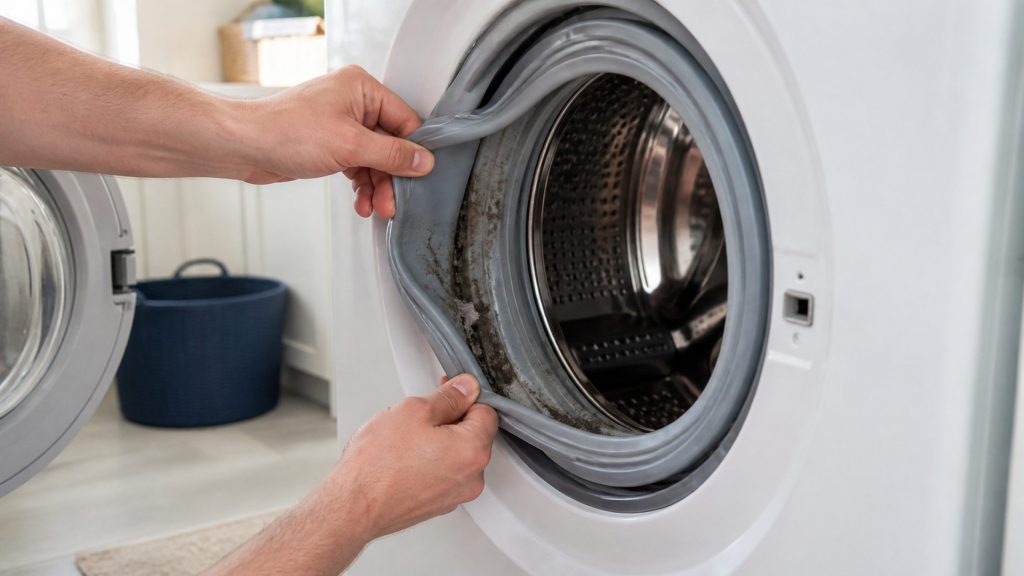
In this climate a front loader's door seal and a dishwasher's filter grow something within months if the door is kept shut. Both are habits before they are repairs.
Read more -
Water Damage From an Appliance: What Leaks Slowly and Costs the Most
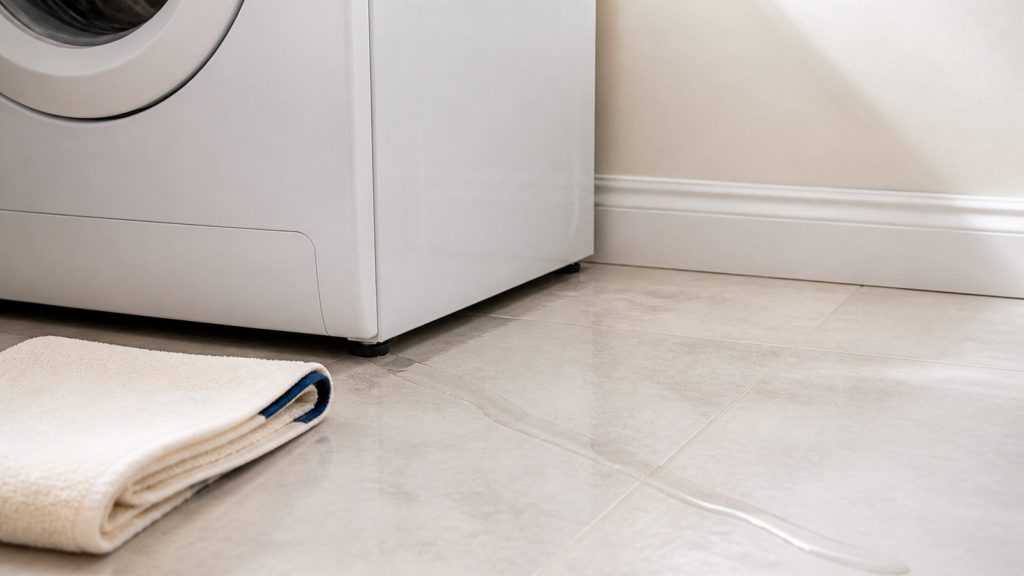
The dangerous leaks are not the puddles. They are the slow weeps behind a machine that reach a floor before anybody sees water.
Read more -
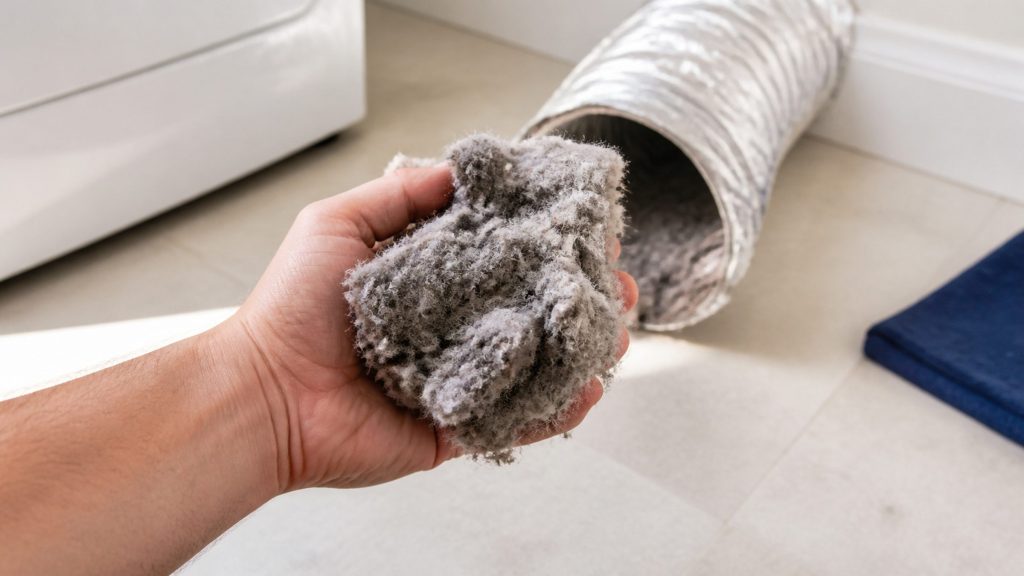
A Restricted Dryer Vent Is a Fire Risk: How to Tell Before It Is One
A dryer taking two cycles is telling you about airflow. Thermal cut-outs open because the housing overheated — that is a message, not a failure.
Read more
Tell us the model number and what it is doing.
This article is based on:
- Official manufacturer documentation
- Internal repair procedures
- Technician repair history
- Company quality standards