Safety & Risks
Water Damage From an Appliance: What Leaks Slowly and Costs the Most
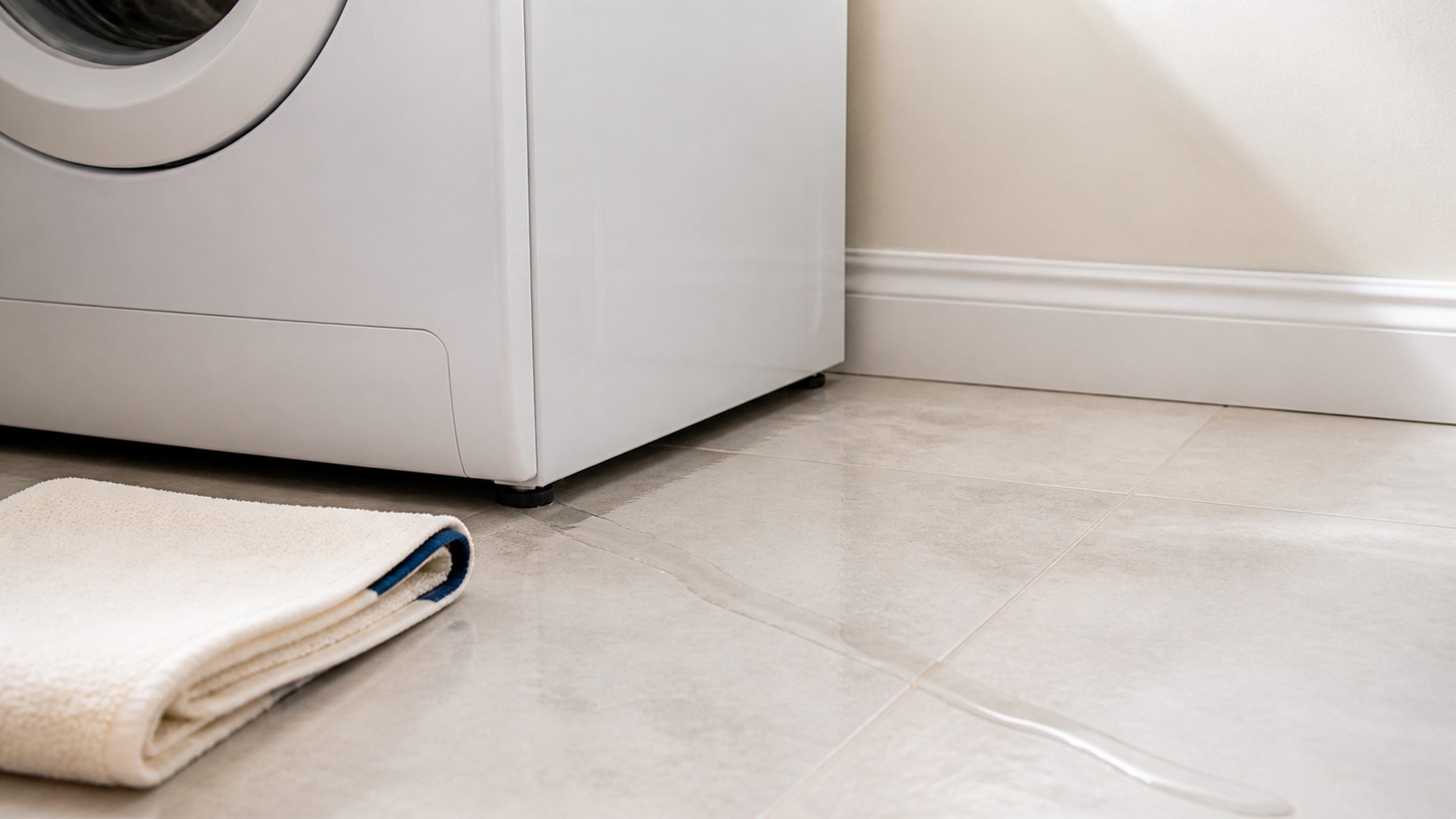
The expensive leaks are slow ones behind or beneath appliances, where water reaches flooring and subfloor before anybody sees a puddle. The usual sources are hose connections and their washers, which harden and weep years before they burst; the icemaker line behind a refrigerator; a dishwasher door gasket along its lower edge; and a washer's door boot seal. GE's leak-detection dishwashers stop the cycle when they sense water in the base tray rather than finishing it, and that is the right instinct — resetting past it does not move the water back. In a house on a slab, in this humidity, a slow leak becomes a flooring problem quickly, which is why noticing which cycle a leak happens in is worth more than any adjective describing it.
The full guide
Ge dishwasher leaking, and the leaks that matter more
A puddle is annoying. It is also visible, which makes it the cheap kind.
The expensive leaks are the ones nobody sees: a connection weeping behind a dishwasher into the cabinet base, an icemaker line dripping behind a refrigerator that has not been moved in six years, a washer hose seeping into a wall. In a warm humid house those find flooring, subfloor and drywall long before they find anybody's attention.
Where they start
Hose connections and their washers. Rubber washers harden with age and begin to seep years before anything bursts. This is the commonest slow leak in any house and the cheapest to prevent.
The icemaker line. Small-diameter tubing behind an appliance that never moves, often joined with a saddle valve that was fitted decades ago. Both the valve and the joint are candidates.
A dishwasher door gasket, along its lower edge, where debris collects.
A washer's door boot seal, especially on a front loader, and especially where the fold has been holding grit.
The drain path, which produces water only during one part of the cycle — which is the clue.
The clue that matters
Note which part of the cycle it leaks in. Fill, wash, drain or spin: each points somewhere different, and this is the one piece of information we cannot gather ourselves on arrival.
Water travels along the base frame before it emerges at the front, so where you see it is rarely where it starts. Tracing it is most of the repair, and knowing the moment narrows it dramatically.
When the appliance stops itself
GE's dishwashers with leak detection cancel the cycle rather than finishing it when they sense water in the base tray.
That is the appliance making a better decision than most people would, and it should be respected rather than reset past. The message means water reached somewhere it should not, and clearing the message does not put it back. Look underneath and behind first.
The same principle applies to any appliance that has stopped itself: it stopped for a reason, and the reason has not gone away because the display is clear.
The Florida part
Two things make this local.
Slabs. A slow leak under a dishwasher in a slab house goes into flooring and stays there. There is no crawlspace to drip into and no basement to notice it in.
Humidity. Everything dries more slowly, so a leak that would evaporate in a dry climate stays wet, and what stays wet grows. The mold conversation and the water damage conversation are the same conversation here.
Worth doing before anything is wrong
Pull the washer out once a year and look at the hose connections. Check behind the refrigerator when the condenser gets cleaned — the same visit, no extra effort. Replace rubber washing machine hoses with braided stainless ones; they cost very little and they are the single highest-value preventive item in a laundry room after the vent.
None of that is a repair. All of it is cheaper than a floor.
Questions people ask about this
My dishwasher shows LEAK DETECTED.
Do not simply restart it. On models with leak detection the cycle stops because water reached the base tray. Look underneath and behind before running anything.
The washer only leaks sometimes.
Note the cycle. Intermittent leaks are nearly always the boot seal, a hose weeping under pressure, or an overfill on particular programs — and which one it is follows from when it happens.
Should I replace supply hoses?
Braided stainless hoses on a washer are inexpensive and outlast rubber by a wide margin. In a house where the laundry is not on a slab, that is money well spent.
Water is only at the front of the machine.
Water travels along the base frame before it emerges, so where it shows is rarely where it starts. That is why tracing is most of this repair.
Safety & Risks
More guides like this one
-
Why a GE Washer or Dishwasher Smells, and What Actually Fixes It
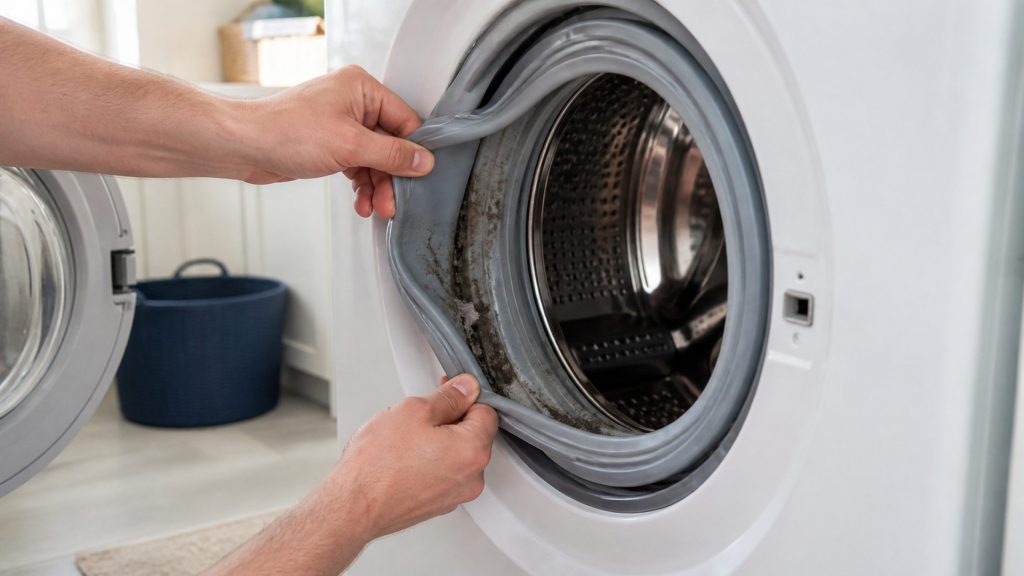
In this climate a front loader's door seal and a dishwasher's filter grow something within months if the door is kept shut. Both are habits before they are repairs.
Read more -
Sparks Inside a GE Microwave: Stop, and Why
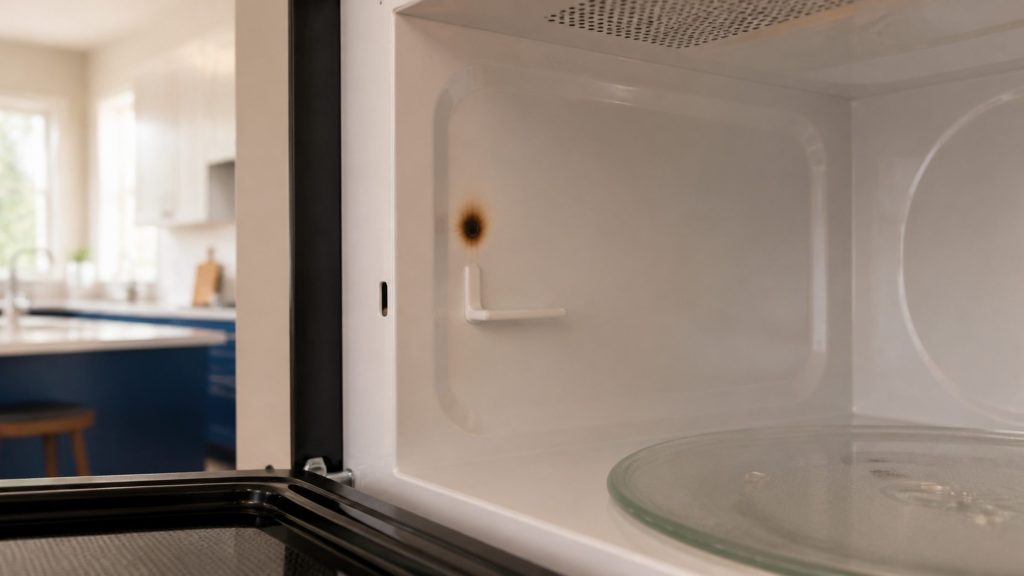
GE calls it arcing and documents its causes. Every extra minute of running damages the cavity further, and a scorched cavity usually ends the appliance.
Read more -
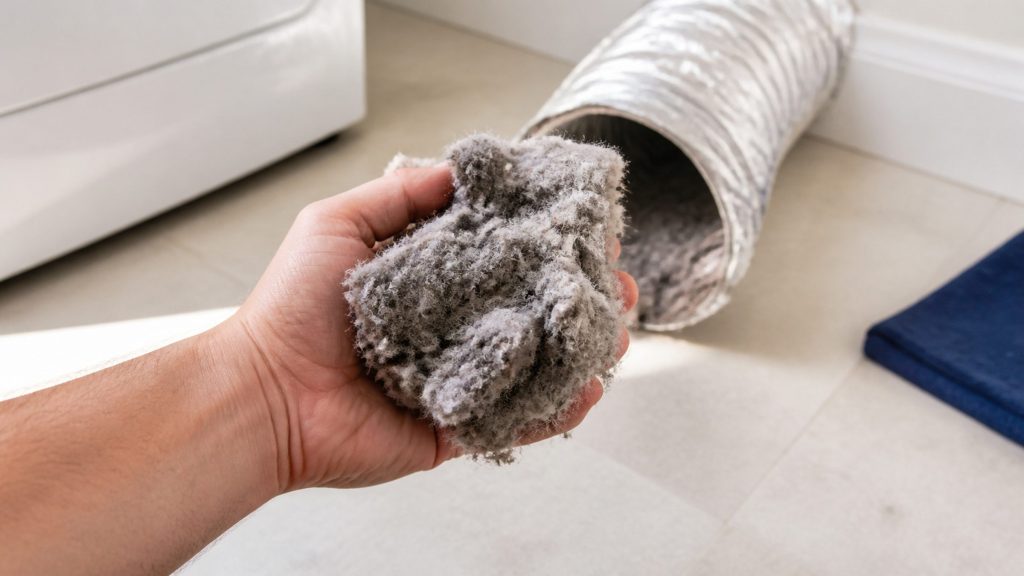
A Restricted Dryer Vent Is a Fire Risk: How to Tell Before It Is One
A dryer taking two cycles is telling you about airflow. Thermal cut-outs open because the housing overheated — that is a message, not a failure.
Read more
Tell us the model number and what it is doing.
This article is based on:
- Official manufacturer documentation
- Internal repair procedures
- Technician repair history
- Company quality standards