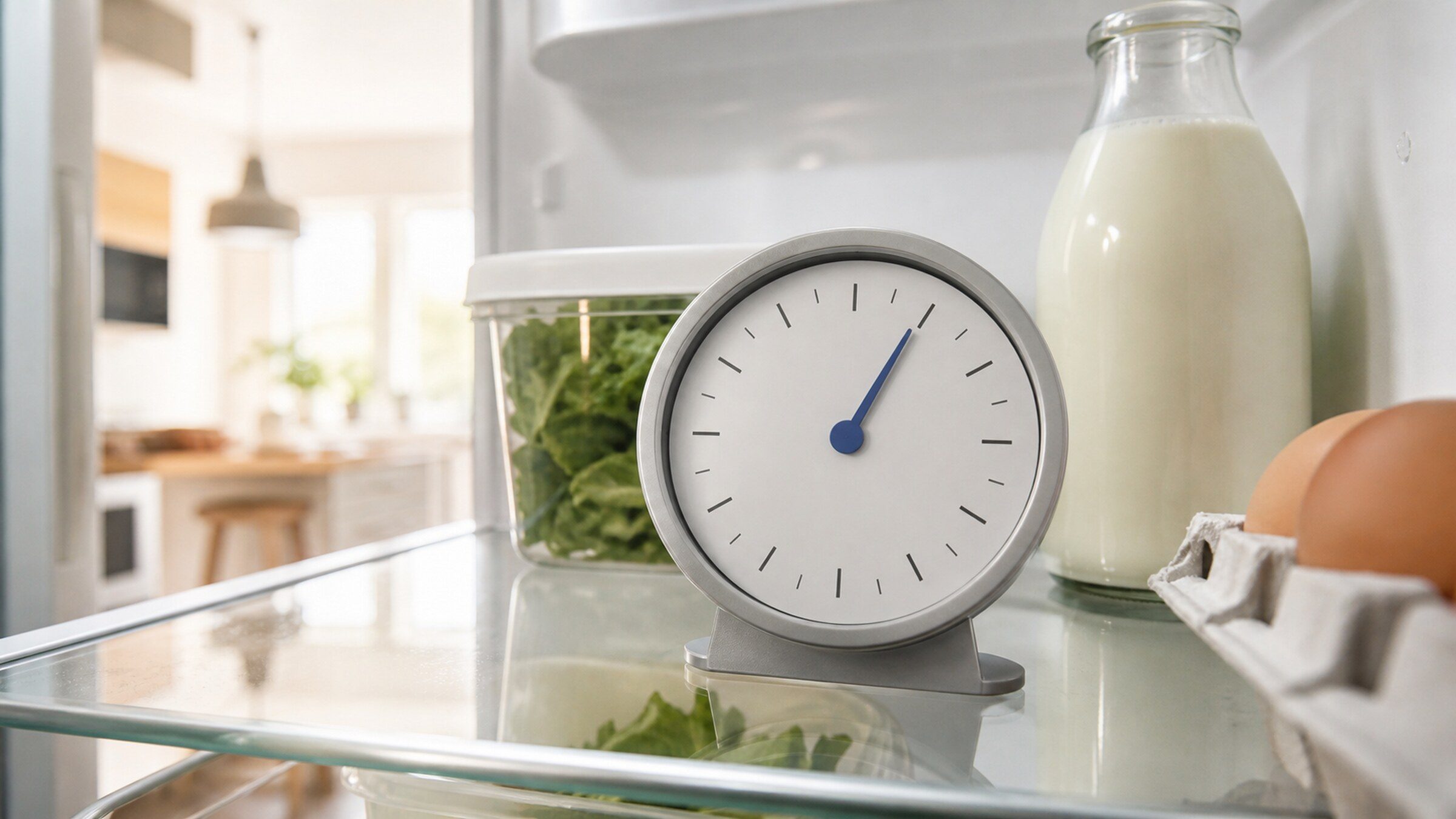
Common Problems
Why a GE Refrigerator Stops Cooling, in the Order It Is Worth Checking
Check in this order, which is GE's own. First, whether the appliance is in demo mode — their DE code runs the lights and controls and switches cooling off deliberately. Then the temperature settings, against GE's targets of 37°F in the fresh food compartment and 0°F in the freezer, allowing hours rather than minutes for a cabinet to settle. Then airflow: vents blocked by food, a cabinet packed to the back wall, or a condenser coil that has filled with what floors collect. Then the defrost circuit, whose signature is a fresh food compartment warming over days while the freezer stays cold. The sealed system is real, expensive and last — it is ruled in by measured pressures, never by a warm cabinet.
The full guide
Ge freezer not cooling, or a fridge that never arrives
There is an order to this, and it is not the order most people search in. GE's own troubleshooting starts with the cheap things because the cheap things are frequently the answer.
First: is it actually switched on?
Look at the display for DE.
GE lists it as demo mode: the lights work, the controls respond, and the cooling system is switched off on purpose because that is how showroom floor models run. Appliances sold from those floors arrive still set that way.
An appliance in demo mode looks perfectly healthy. Their first step is to unplug it for a minute or two and plug it back in. It costs nothing and it is the single most embarrassing thing to pay somebody else to discover.
Second: the settings, and the clock
GE recommends 37°F in the fresh food compartment and 0°F in the freezer.
Two things go wrong here. Somebody adjusts a dial while cleaning and nobody notices. Or the settings are right and the reading is taken too soon — a cabinet takes hours to settle, and a full one in a Miami kitchen takes longer.
Measure with a thermometer rather than reading the display. Displays drift, and a cabinet two degrees out is a different problem from one ten degrees out.
Third: airflow, which is most of it
Three things, all of them free or nearly so.
The vents inside. A cereal box in front of the freezer vent stops cold reaching the fresh food side. It is as simple as that, and it is common.
The load. A cabinet packed to the back wall cannot circulate. Air is how cold moves.
The condenser. GE names this first for a unit that is not cold enough, and in this city they are right more often than they are anywhere dry. A coil at floor level in a kitchen collects what floors collect — dust, hair, whatever the dog leaves — and a coil that cannot shed heat means the compressor runs longer for less cold.
Put your hand near the base grille while it runs. Warm air should be leaving. Nothing leaving points at the condenser fan or a coil packed solid.
Fourth: the defrost circuit, which is the local one
The signature is specific: the fresh food compartment warms over days while the freezer stays cold, and a manual defrost — the appliance emptied and switched off for a day — fixes it for a few days and then loses it again.
GE reports it directly as dE (lower case, and not to be confused with DE above). What has happened is that the heater, thermostat or control that keeps the evaporator clear has stopped, ice has built where the air has to pass, and the air path is closing.
This circuit works harder here than anywhere. Every door opening in South Florida puts wet air into a cold cabinet, and a door seal that has aged multiplies it. The paper test settles the seal question in ten seconds: close the door on a sheet of paper and pull. If it slides out freely, the seal has let go — and it will be the hinge side, because that is where they go first.
Last: the sealed system
Compressor, condenser, evaporator, drier and the tubing between them. It is real, it fails, and it is the most over-diagnosed repair on a refrigerator in this city.
It is ruled in by measurement — pressures and temperatures across the circuit — not by a warm cabinet. A warm cabinet is a symptom shared by everything above, all of which is cheaper.
If it is the sealed system, the next question is the appliance's age, and GE makes that easy: the serial number carries a two-letter date code, a letter for the month and a letter for the year. On an older basic model the arithmetic usually favors replacement, and that is worth hearing before the work rather than after it.
Questions people ask about this
The freezer is fine and the fridge is warm.
That split is close to a diagnosis. Cold is made in one place and moved to the other, so it points at the defrost circuit or the air damper between compartments rather than at the compressor.
How long should it take to get cold?
Hours, not minutes, and longer with a full cabinet in a warm kitchen. Judging a refrigerator twenty minutes after a change tells you nothing.
It runs constantly. Is that the problem?
Not on its own — refrigerators here run long cycles in August. What matters is whether it is holding temperature while it runs. Cold and running points at a seal or a coil; warm and running is this page.
Is it worth repairing?
GE's serial carries a two-letter date code, so the age is known before anybody quotes. That decides it more reliably than the symptom, and on this make parts stay available longer because four badges share their engineering.
Common Problems
More guides like this one
-
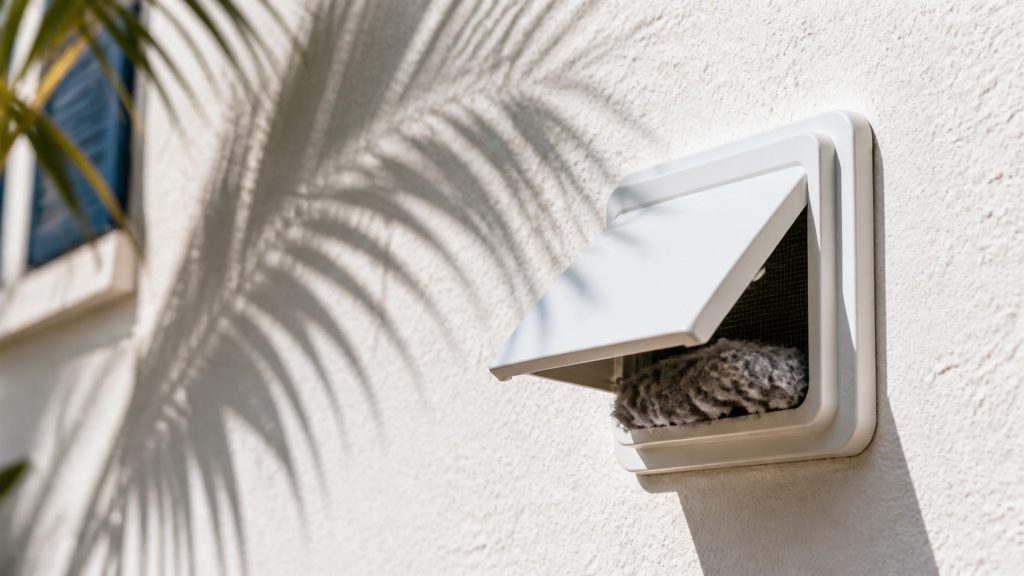
Why a GE Dryer Takes Two Cycles in Florida, and What It Is Costing
The duct, not the dryer — and in this county the duct is usually long, horizontal and carrying humid air, which is why the same machine dries fine in Ohio.
Read more -
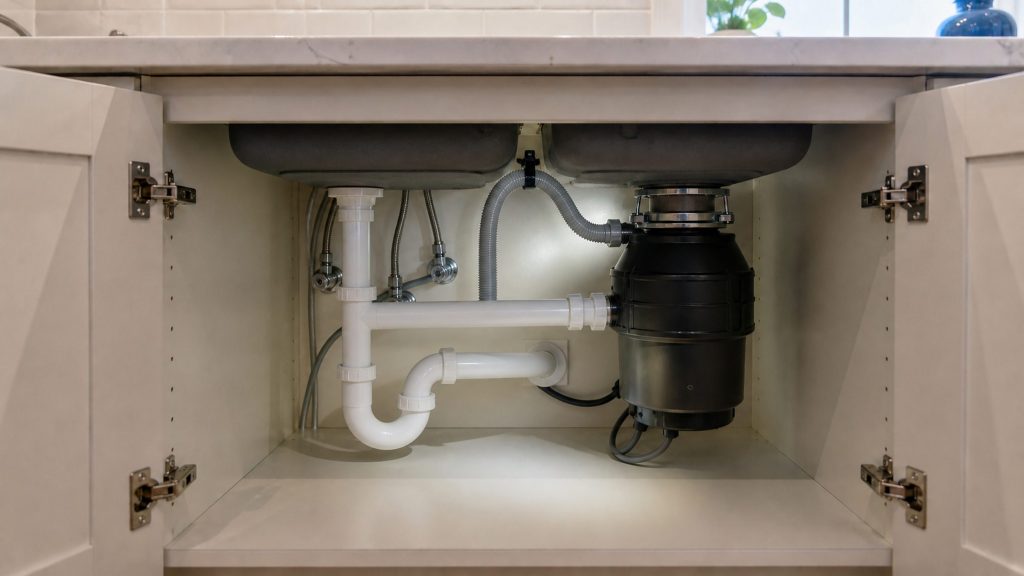
GE Dishwasher Not Draining: Start Under the Sink, Not Under the Machine
GE's own list begins with the air gap, the hose and the disposer. The commonest cause after a kitchen remodel is a plug that was never knocked out.
Read more -
GE Ice Maker Not Making Ice: What GE Publishes About Normal, Before You Pay Anybody
GE publishes cube sizes and production rates. A good share of icemaker calls end with a machine working to specification for a household that has grown.
Read more
Tell us the model number and what it is doing.
This article is based on:
- Official manufacturer documentation
- Internal repair procedures
- Technician repair history
- Company quality standards