Appliance
GE microwaves
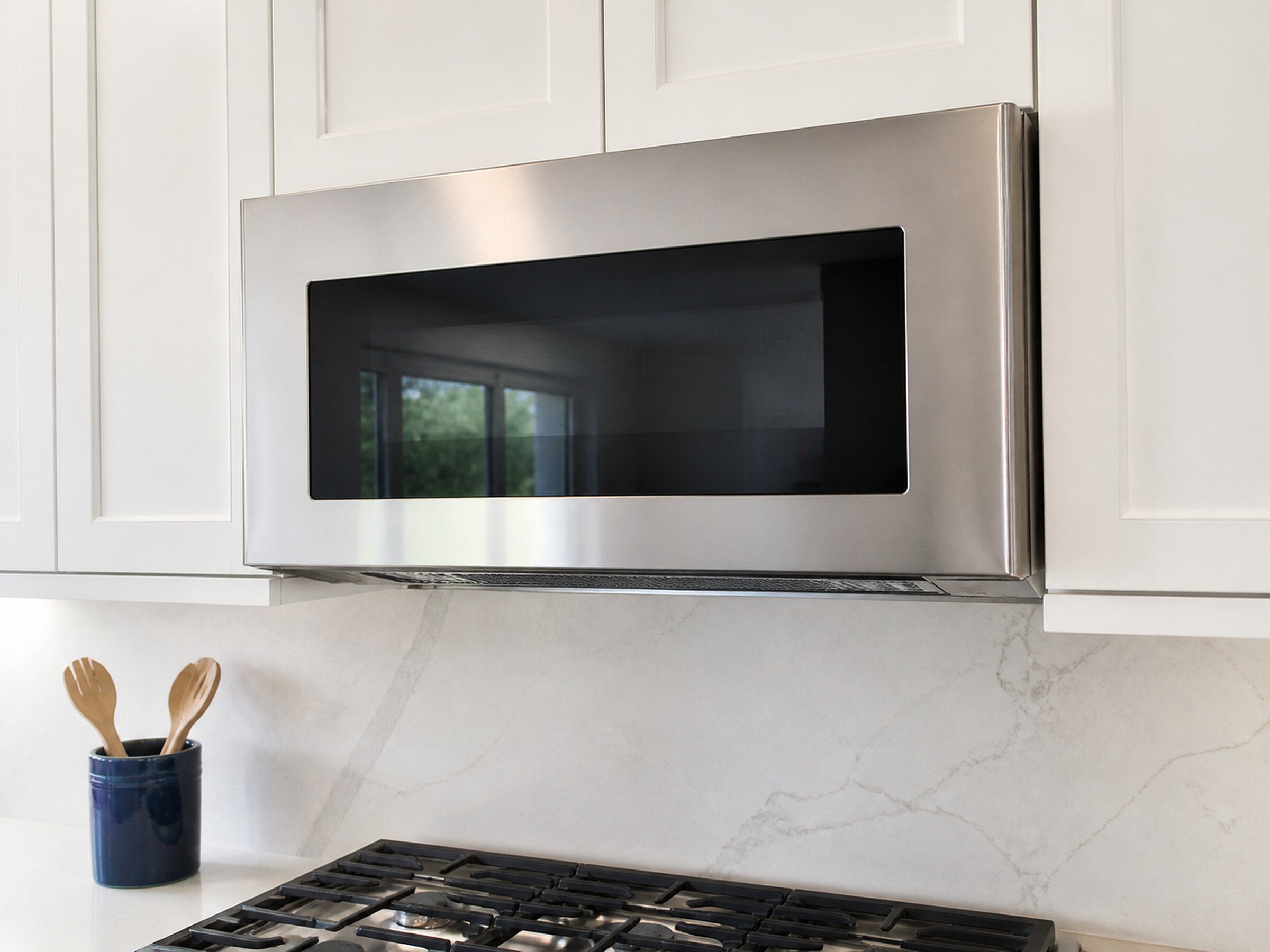
Over-the-range, built-in, drawer and countertop microwaves. GE publishes a code table for these, and it is genuinely different from the range table — the same letters mean different things — so the appliance the code came from matters as much as the code itself.
- 1 symptoms we are called out to
- From $95 diagnostic, credited to the repair
- 59 cities and neighborhoods covered
- OEM parts available on order
The short version
What this equipment is, for a repair
Configurations
Over-the-range · built-in · countertop · drawer
Access
Planned before the visit, not discovered on arrival
Parts
OEM, available on order
Diagnostic
From $95, credited to the repair
What goes wrong with it
Symptoms we are called out to on GE microwaves
Each one covers the likely causes in the order they are worth checking, and what to do in five minutes before booking anything.
-
The plate turns, the light is on, the food is cold Microwave runs but does not heat
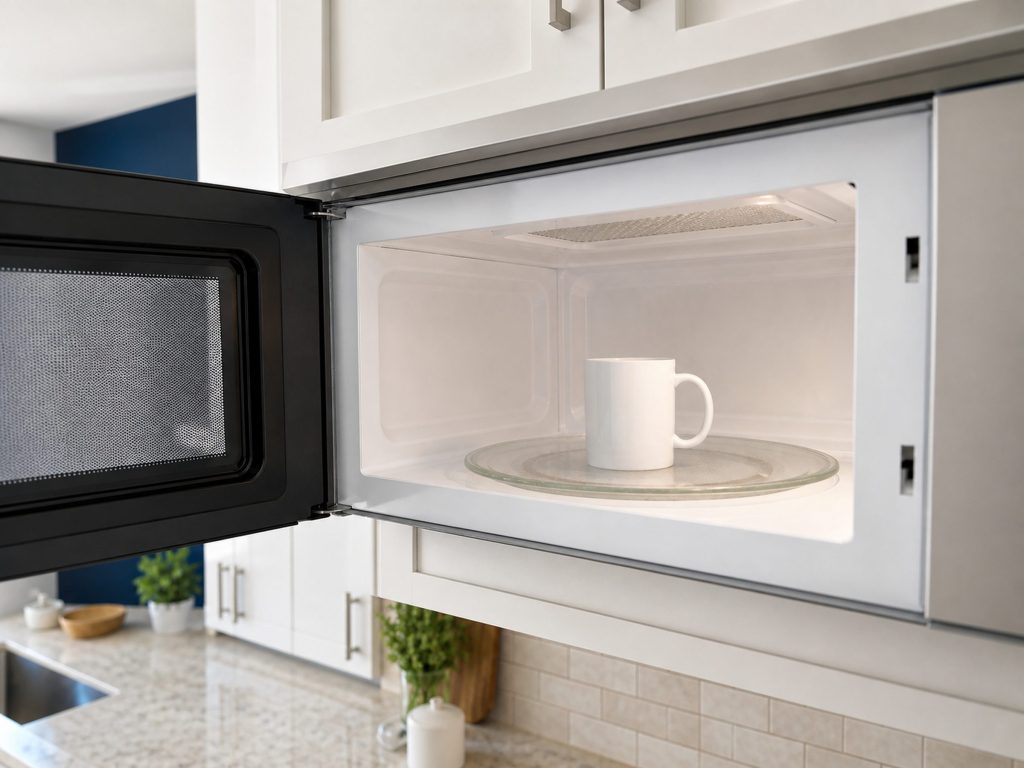
GE's own list starts with two checks that cost nothing: whether the timer was set instead of a cook function, and whether the door is closing fully onto its safety interlocks. After those, it is the high-voltage side — and that is licensed work, because a microwave capacitor holds a dangerous charge after the appliance is unplugged.
- Runs a full cycle, nothing gets warm
- The plate turns and the light works
- An F code on the display
What we do on it
Repairs we carry out on GE microwaves
Starting figures for this equipment in South Florida. The exact cost is confirmed after an on-site diagnostic — and this is not the whole list of what can go wrong, so call if your problem is not here.
-
from $95 Diagnostic visit
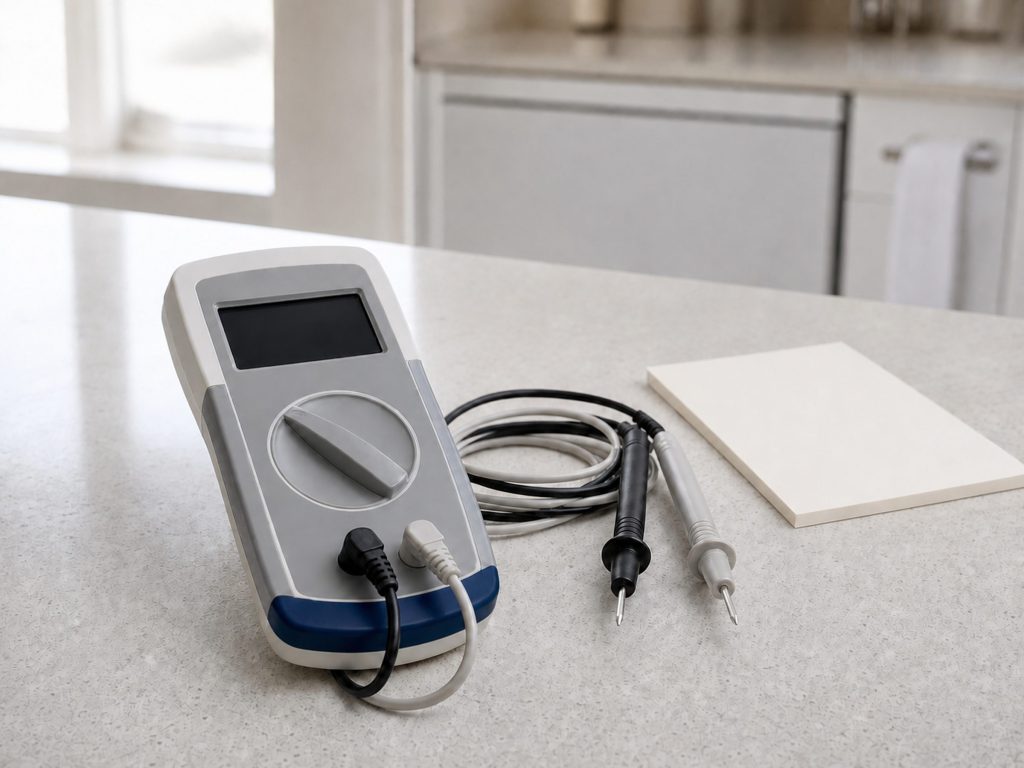
We find out what is actually wrong before anybody quotes a part. On a GE that starts with the two things their own support pages start with — what the appliance is reporting, and whether anything outside it is the cause — because a dryer that will not dry is usually a vent and a dishwasher that will not drain is often a disposer. The fee is credited toward the work when you go ahead.
- What the appliance reports, read rather than guessed
- The causes outside the appliance ruled out first
- Credited toward the repair
-
from $129 Appliance maintenance
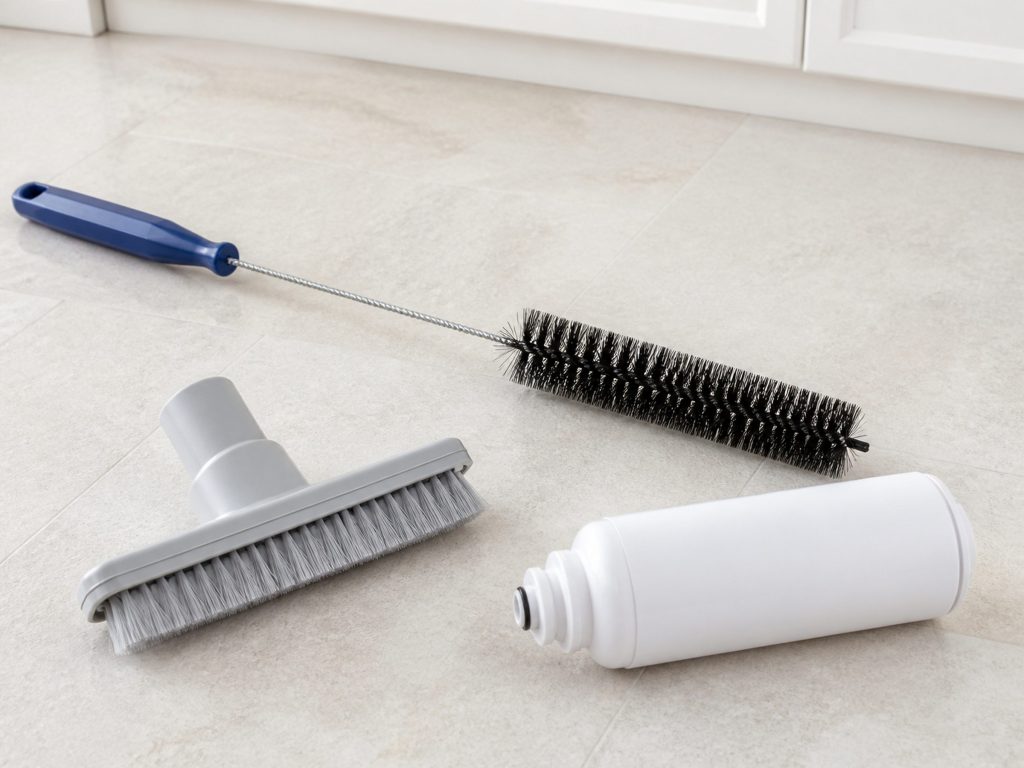
The visit that prevents the expensive one. Condenser coils in a city where floors carry dust and hair, a dryer vent that has been quietly filling for three years, an ice machine scaling on hard water, filters that are past their interval. None of it is glamorous and all of it is cheaper than what it prevents.
- Condensers, vents, filters and seals in one visit
- Priced per appliance, cheaper together
- The findings written down, not just the work
-
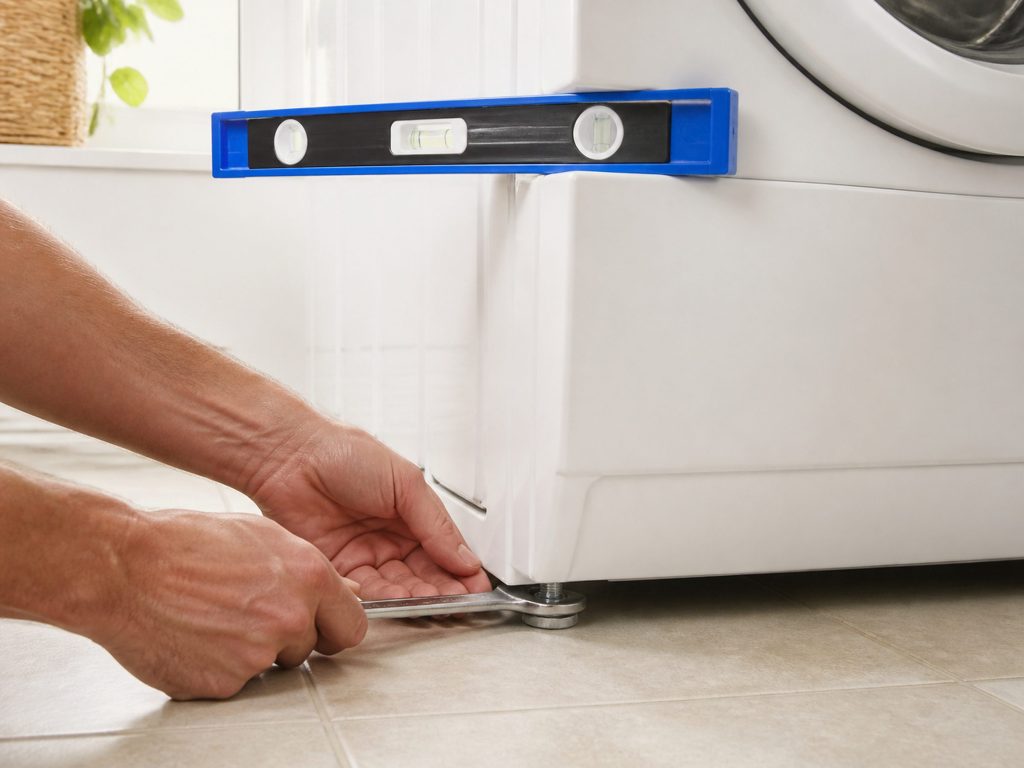
from $149 Appliance installation
Installation done so the appliance can be serviced later, and so it performs the way its specification says. A built-in that has no clearance loses cooling every August, a dryer vented into a long horizontal run never dries in one cycle, and a dishwasher connected to a new disposer with the plug still in it will hold water from the first cycle.
- Clearances the specification asks for, not the ones the cabinet allows
- The disposer plug, the high loop, the vent run
- Leveled, aligned and tested before we leave
-
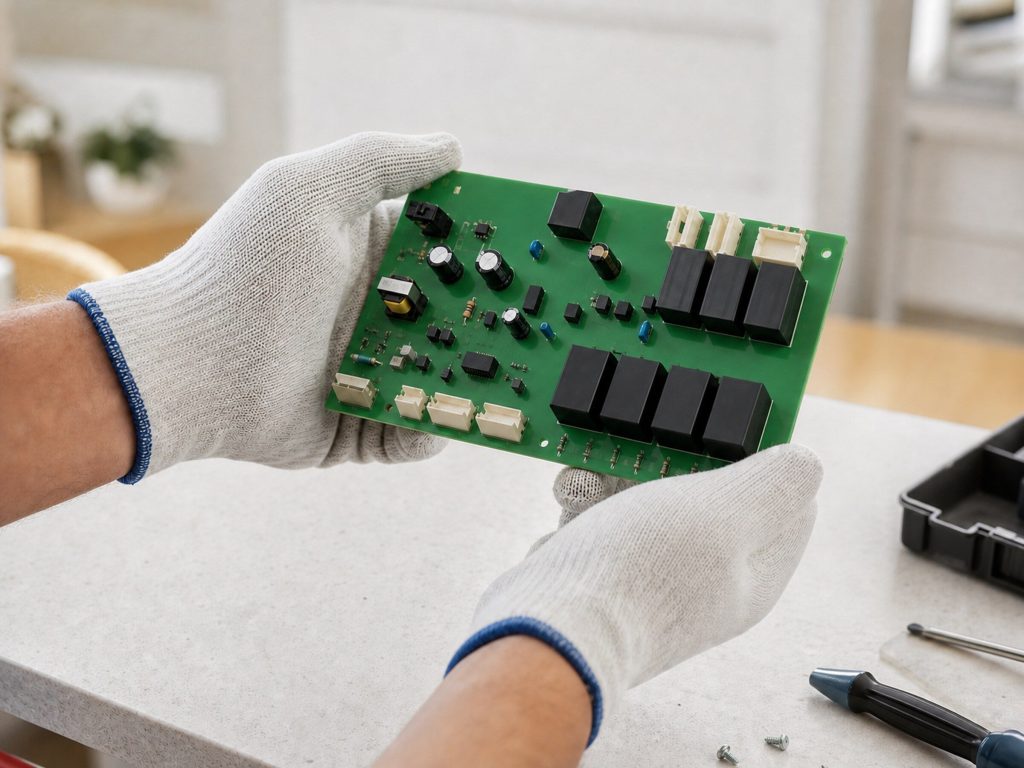
from $285 Control board replacement
The part most often blamed and least often measured. A control board is real and it does fail, but a sensor, a relay, a connector or a supply problem produces the same behavior for a tenth of the money — so this page exists as much to say when the board is not the answer as to price it when it is.
- Ruled in by measurement, not by elimination-by-guess
- Sensors and relays imitate a failed board
- We say when the arithmetic favors replacement
-
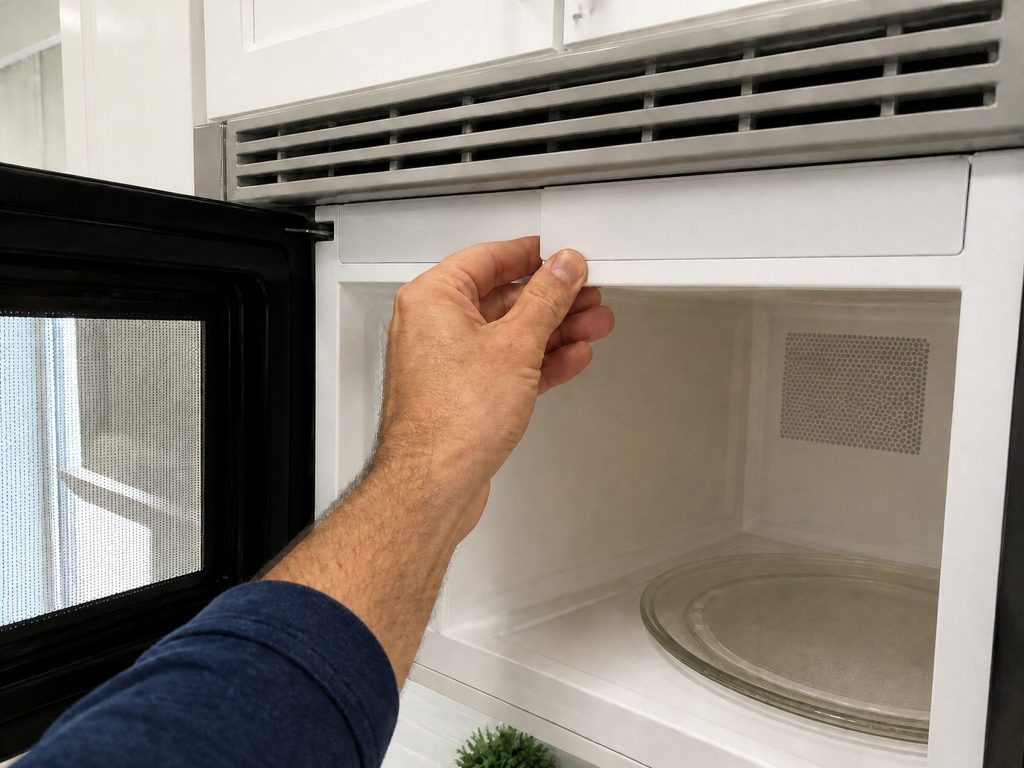
from $155 Microwave repair
Over-the-range, built-in, drawer and countertop. GE publishes a code table for microwaves that is genuinely different from the range table — F3 is the touch pad here and the oven sensor there — and the no-heat symptom is licensed work: a microwave capacitor holds a dangerous charge after the appliance is unplugged.
- The high-voltage side is not a home repair
- Its code table differs from the range's
- Over-the-range units are two appliances in one
In more detail
About GE microwaves
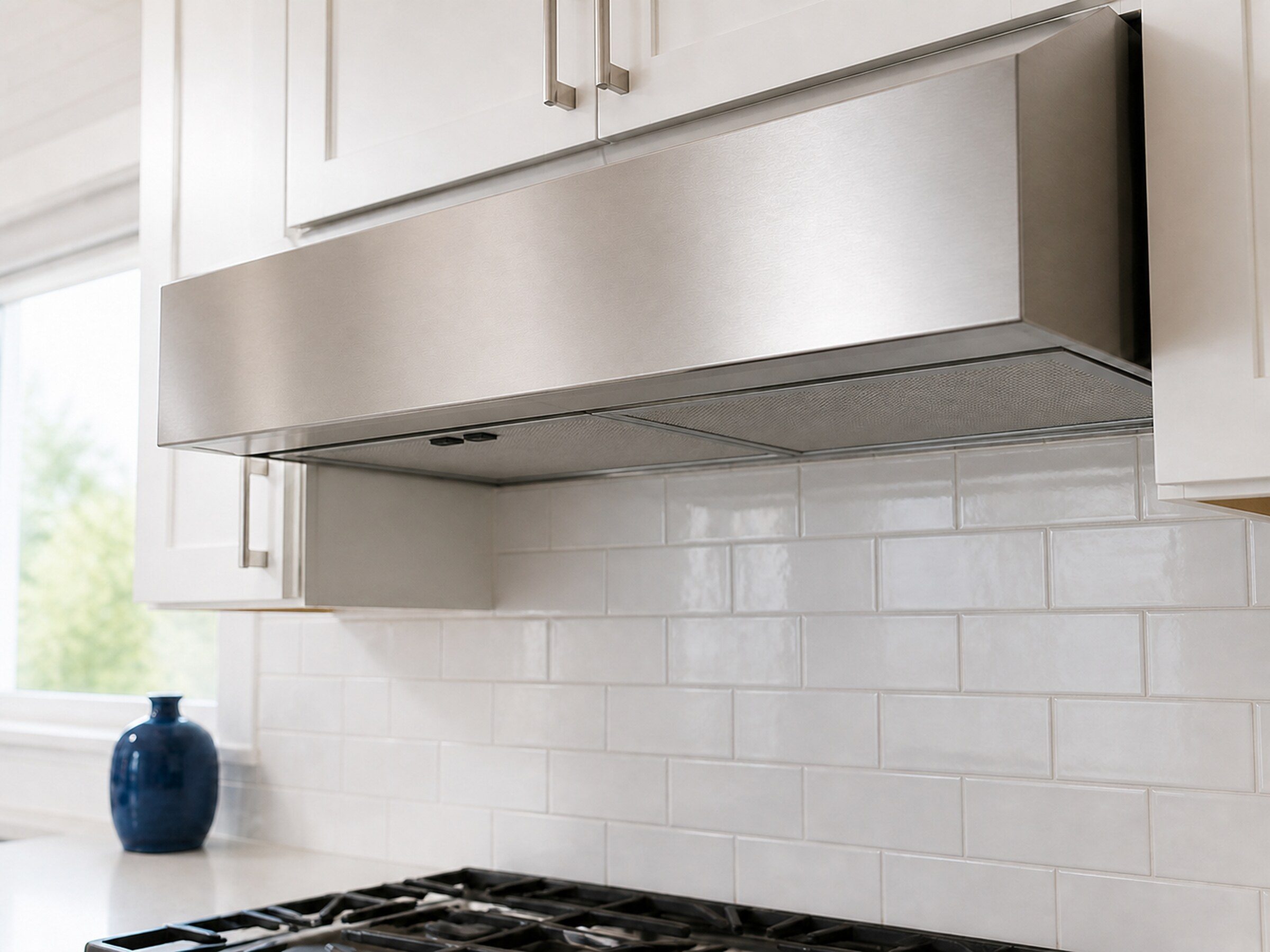
Over-the-range units are two appliances
They cook and they ventilate, and the two halves fail independently. A hood fan that has stopped while the microwave still cooks is a fan or its switch, and it is a much smaller repair than the appliance suggests.
The high-voltage side is not a home repair
A microwave capacitor holds a dangerous charge after the appliance is unplugged. This is the one category where we would rather somebody called anybody competent than opened the case, and it is why the no-heat symptom gets a licensed visit rather than advice over the phone.
When it is not worth repairing
A countertop microwave rarely is once the high-voltage side has gone. A built-in, a drawer or an over-the-range unit usually is, because the appliance is part of the kitchen and replacing it is joinery as well as shopping.
The high-voltage side, and why we are firm about it
A microwave capacitor holds a dangerous charge after the appliance is unplugged, and it does not discharge because the machine sat overnight. This is the single category on this site where we would rather somebody called any competent company than opened the case themselves, and it is why a no-heat symptom gets a licensed visit rather than advice over the phone.
Arcing is a stop-now symptom
GE documents it: metal touching the cavity, a rack placed wrongly, or the interior coating chipped or peeling. Every additional minute of running burns the same spot further, and a scorched cavity usually ends the appliance rather than starting a repair. Unplug it and describe what was inside — that answer decides whether this is a five-minute conversation or a replacement.
This article is based on:
- Official manufacturer documentation
- Internal repair procedures
- Technician repair history
- Company quality standards
Before you book
Questions about GE microwaves
It runs, the plate turns, the light is on, but nothing gets hot.
That is the classic, and GE's own list starts with the two free checks: whether the timer was used instead of a cook function, and whether the door is closing fully onto its safety switches. After those, it is the high-voltage side — magnetron, diode, capacitor — which is licensed work with a charged capacitor in it and not a DIY repair at any level of confidence.
There are sparks inside.
Stop and unplug it. GE calls this arcing, and the usual causes are metal touching the cavity, a rack placed wrongly, or the interior coating chipped or peeling. Running a microwave that is arcing damages the cavity further every time, and a scorched cavity is often the end of the appliance rather than a repair.
What do the F codes on a microwave mean?
Their table: F1 open thermal sensor from excessive cavity heat, F2 shorted thermal sensor, F3 shorted touch pad, F4 open humidity sensor, F5 shorted humidity sensor, F6 shorted temperature probe, F10 shorted touch screen. Note F3 — on a range that same code is the oven sensor. The appliance decides the meaning.
It shows 888 or PF.
That is a power failure notice rather than a problem: GE says it appears after power is restored or at first installation, and Cancel/Off clears it. If it keeps returning, the supply to the appliance is what to look at, not the microwave.
Where we do it
Across Miami-Dade, Broward, and Palm Beach
Same terms everywhere we go: an on-site diagnostic first, the price agreed in writing, and the exact figure confirmed once we have seen the unit.
Neighborhoods people ask for by name