Appliance
GE wall ovens
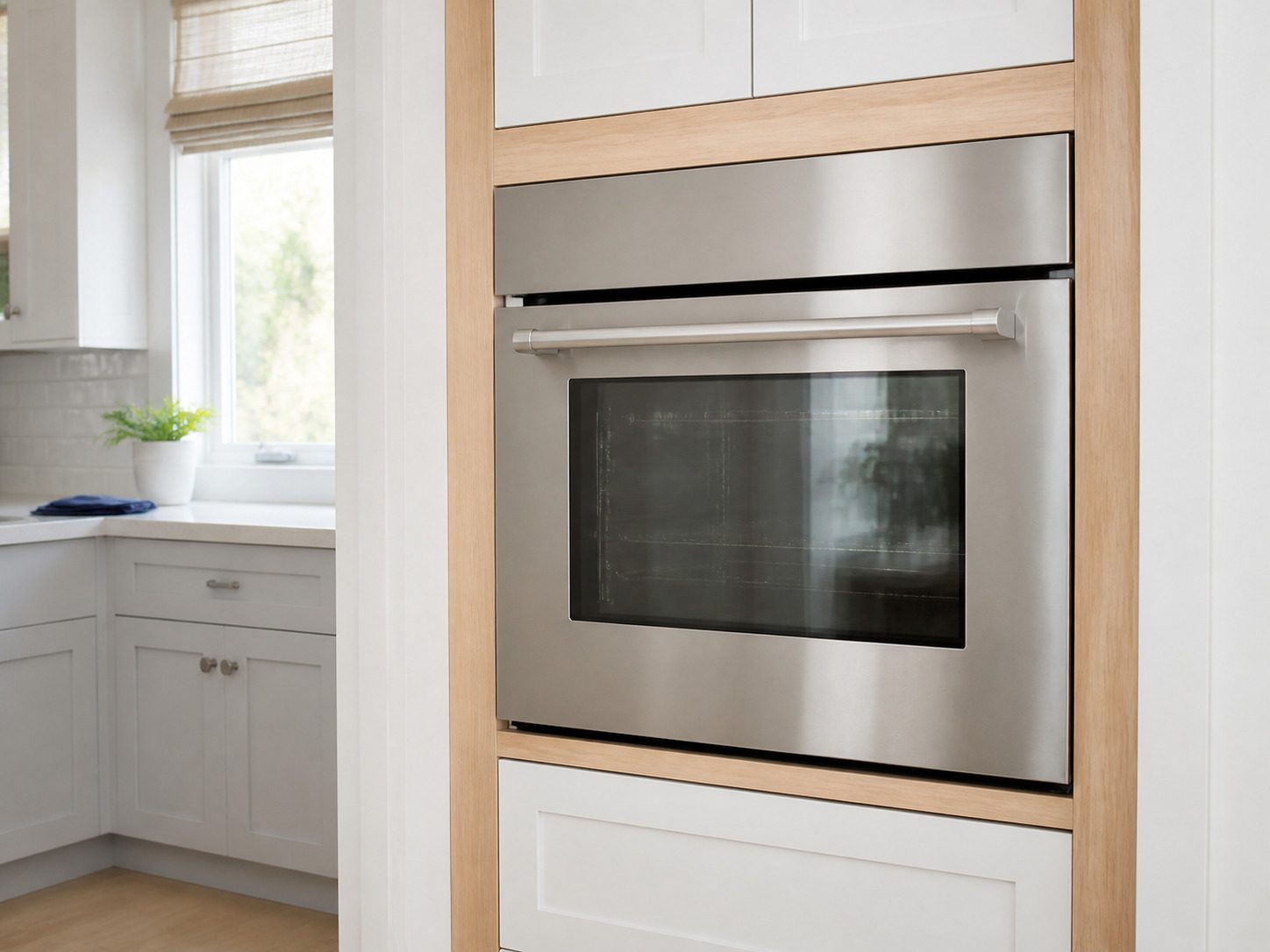
Built-in wall ovens, single and double, plus the microwave combination units and Advantium. The repair differs from a range in one way that decides every visit: a wall oven is built into joinery, so access is planned rather than assumed, and a unit that has to come out comes out with the cabinetry taken into account.
- 2 symptoms we are called out to
- From $95 diagnostic, credited to the repair
- 59 cities and neighborhoods covered
- OEM parts available on order
The short version
What this equipment is, for a repair
Configurations
Single · double · microwave combination · Advantium
Access
Planned before the visit, not discovered on arrival
Parts
OEM, available on order
Diagnostic
From $95, credited to the repair
What goes wrong with it
Symptoms we are called out to on GE wall ovens
Each one covers the likely causes in the order they are worth checking, and what to do in five minutes before booking anything.
-
The cooktop works and the oven stays cold Oven not heating
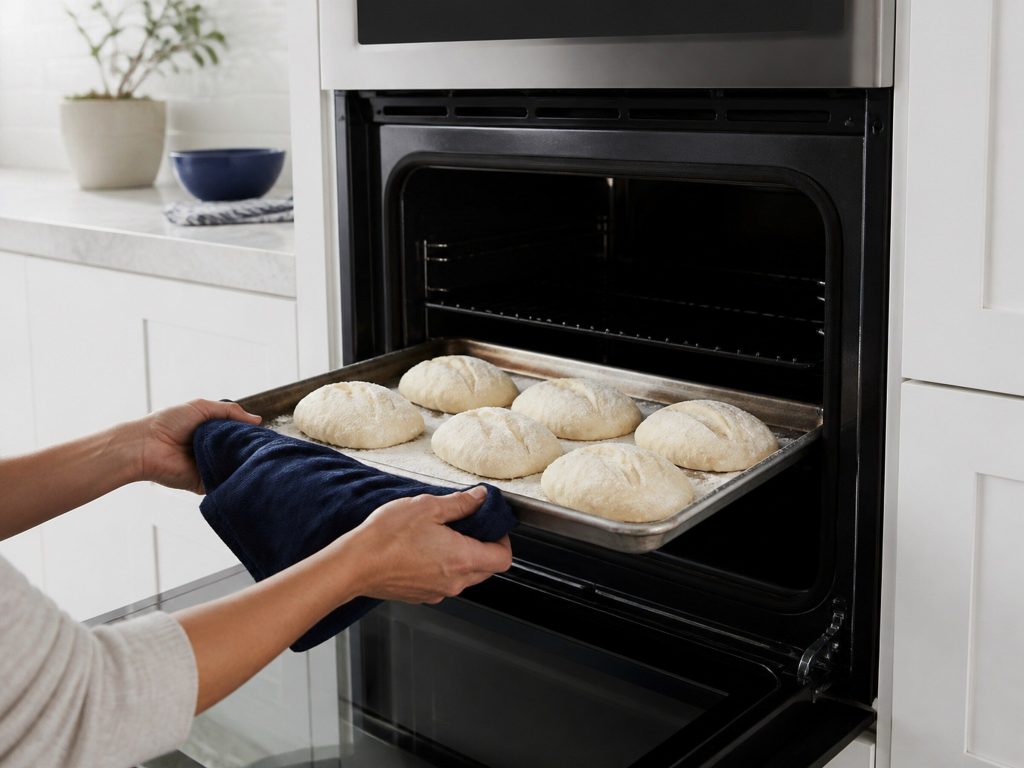
The most useful sentence a customer can say, because it separates the two circuits immediately. GE has an article for exactly this phrasing. On an electric range it is usually the bake element, the oven sensor or a control relay; on gas it is the igniter far more often than the valve.
- Burners heat, oven does not
- An F code on the display
- It heats but never reaches temperature
-
It locked for self-clean and stayed locked Oven door locked and will not open
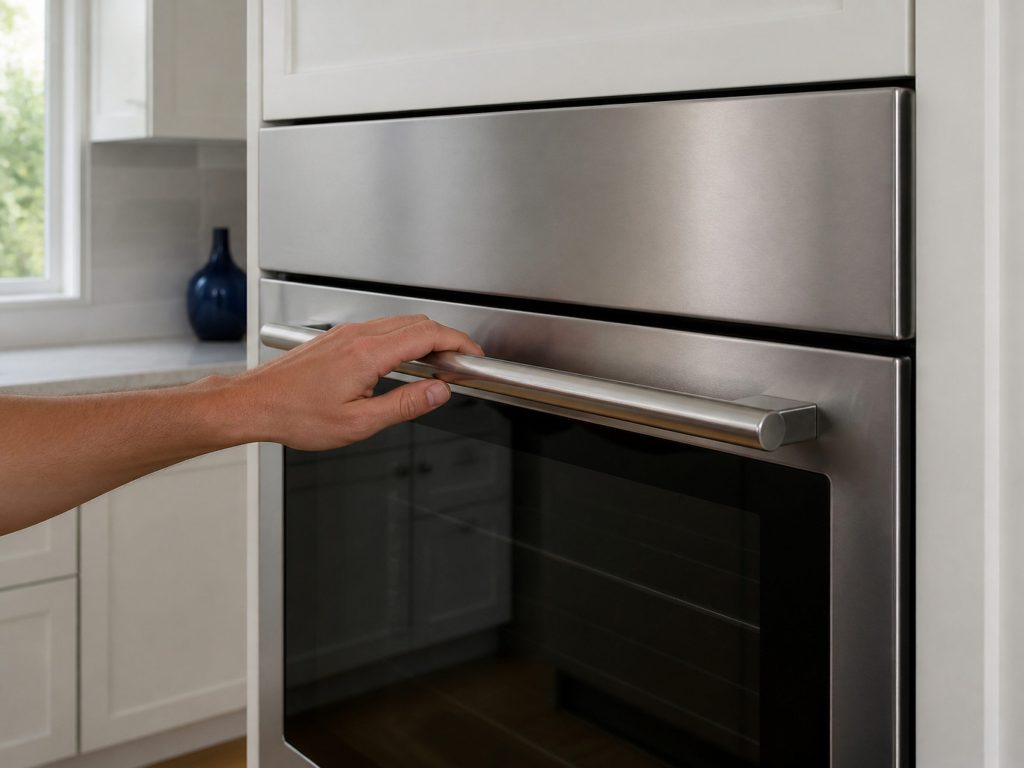
GE documents this specifically, and the first answer is usually patience: the lock will not release until the cavity is below a set temperature, and that can take well over an hour after the cycle ends. If it is cool and still locked, or LOC DOOR is flashing with no clean cycle having run, that is the lock circuit.
- Locked after a self-clean cycle
- LOC DOOR flashing with no clean selected
- F9 or FC on the display
What we do on it
Repairs we carry out on GE wall ovens
Starting figures for this equipment in South Florida. The exact cost is confirmed after an on-site diagnostic — and this is not the whole list of what can go wrong, so call if your problem is not here.
-
from $95 Diagnostic visit
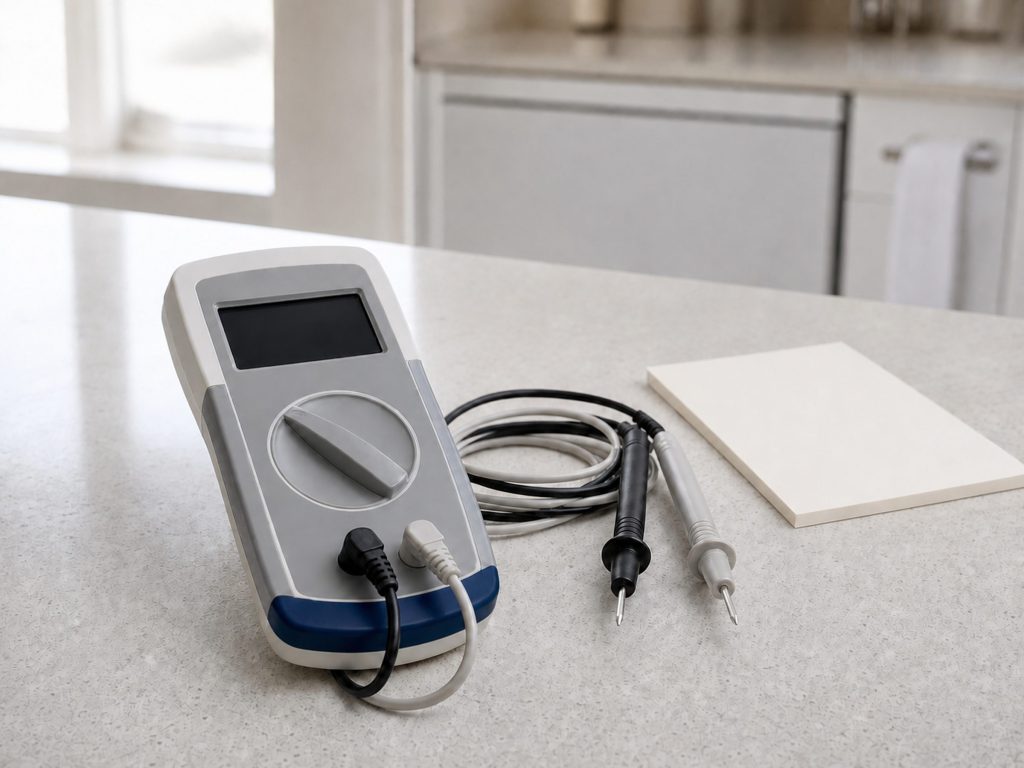
We find out what is actually wrong before anybody quotes a part. On a GE that starts with the two things their own support pages start with — what the appliance is reporting, and whether anything outside it is the cause — because a dryer that will not dry is usually a vent and a dishwasher that will not drain is often a disposer. The fee is credited toward the work when you go ahead.
- What the appliance reports, read rather than guessed
- The causes outside the appliance ruled out first
- Credited toward the repair
-
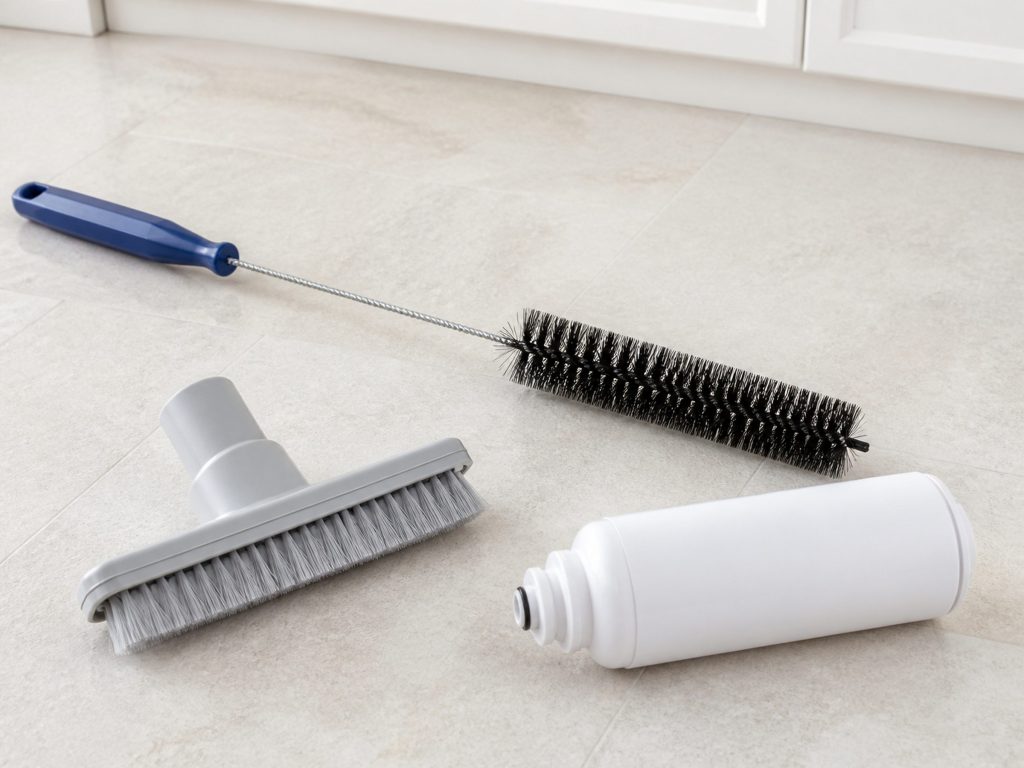
from $129 Appliance maintenance
The visit that prevents the expensive one. Condenser coils in a city where floors carry dust and hair, a dryer vent that has been quietly filling for three years, an ice machine scaling on hard water, filters that are past their interval. None of it is glamorous and all of it is cheaper than what it prevents.
- Condensers, vents, filters and seals in one visit
- Priced per appliance, cheaper together
- The findings written down, not just the work
-
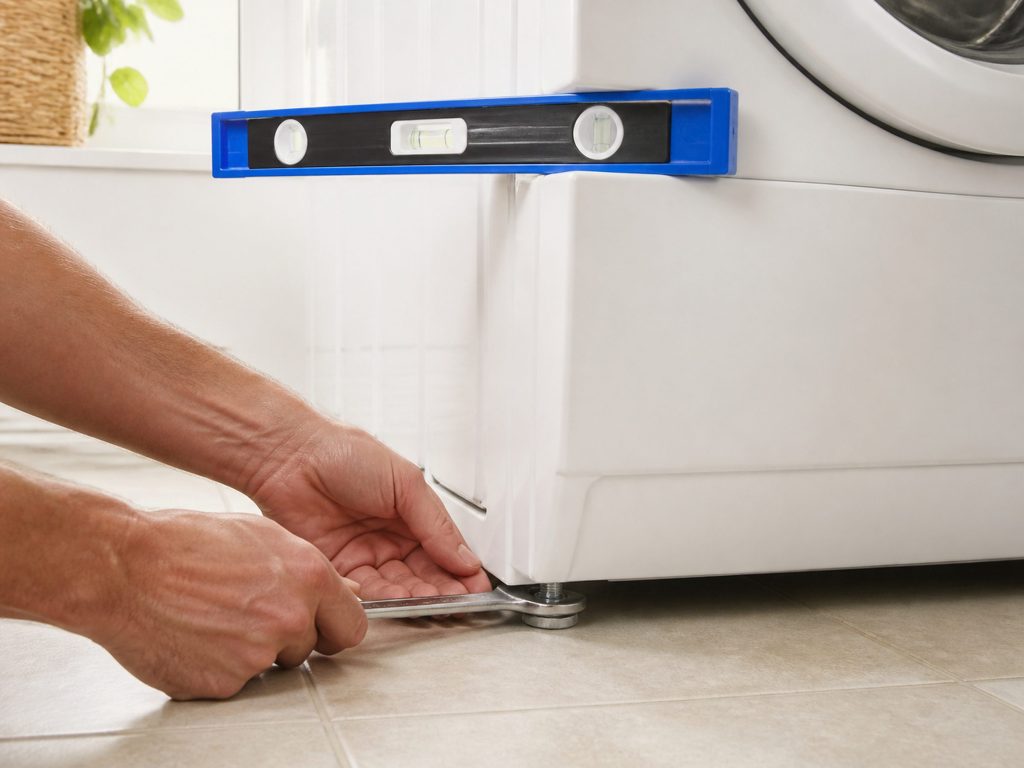
from $149 Appliance installation
Installation done so the appliance can be serviced later, and so it performs the way its specification says. A built-in that has no clearance loses cooling every August, a dryer vented into a long horizontal run never dries in one cycle, and a dishwasher connected to a new disposer with the plug still in it will hold water from the first cycle.
- Clearances the specification asks for, not the ones the cabinet allows
- The disposer plug, the high loop, the vent run
- Leveled, aligned and tested before we leave
-
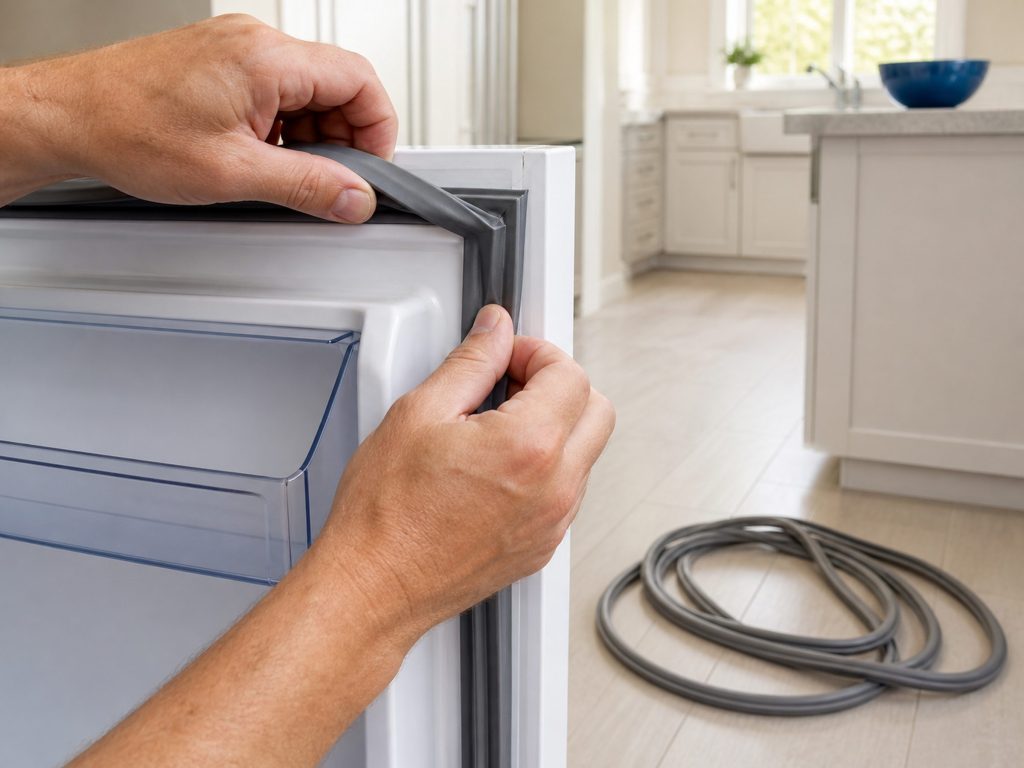
from $155 Door seal replacement
The cheapest repair on a cold appliance and the one that costs the most when it is ignored. In a climate this wet, a seal that has lost its grip lets humid air in all day; the defrost system then spends its life clearing ice it should never have had to make, and the power bill climbs before anybody looks at the door.
- Hinge-side failure first — that is where seals go
- Frost, run time and the power bill are the symptoms
- Alignment checked at the same time, always
-
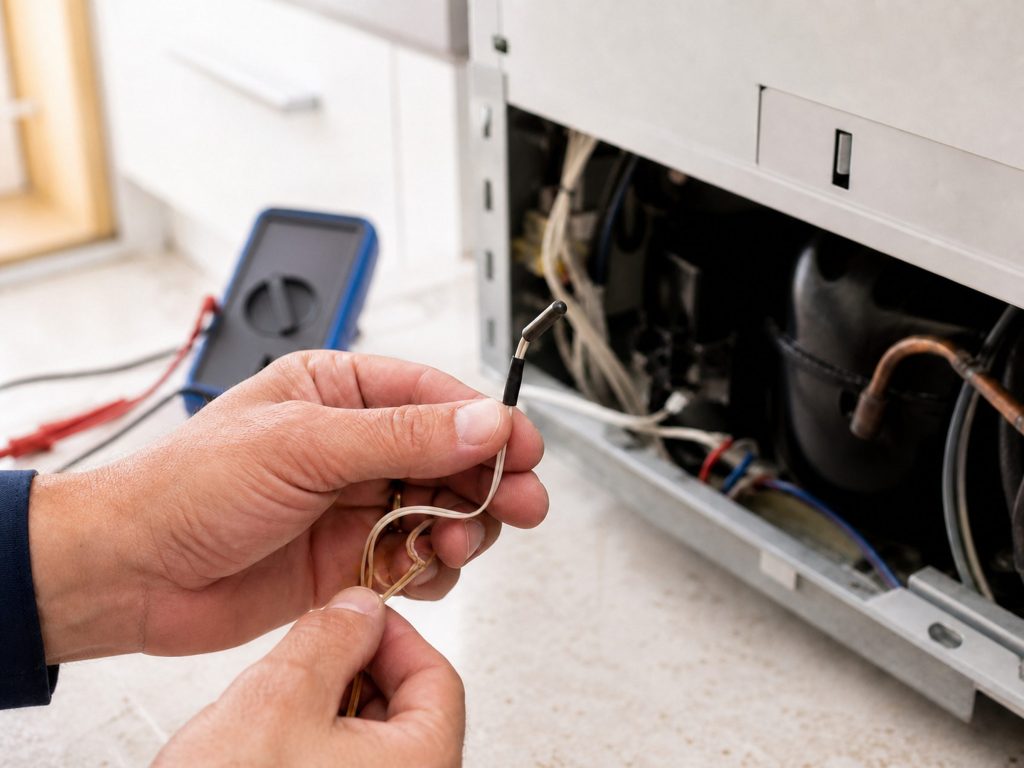
from $165 Temperature sensor replacement
A drifted sensor is the failure that makes an appliance look far sicker than it is: a cabinet that never arrives, an oven fifty degrees out, a wine center that swings. The part is inexpensive and the diagnosis is a measurement — which is why it is worth ruling in before anybody quotes a control board.
- Measured against the maker's own resistance table
- Cheap part, expensive misdiagnosis
- On ovens, calibration sometimes replaces the repair
-
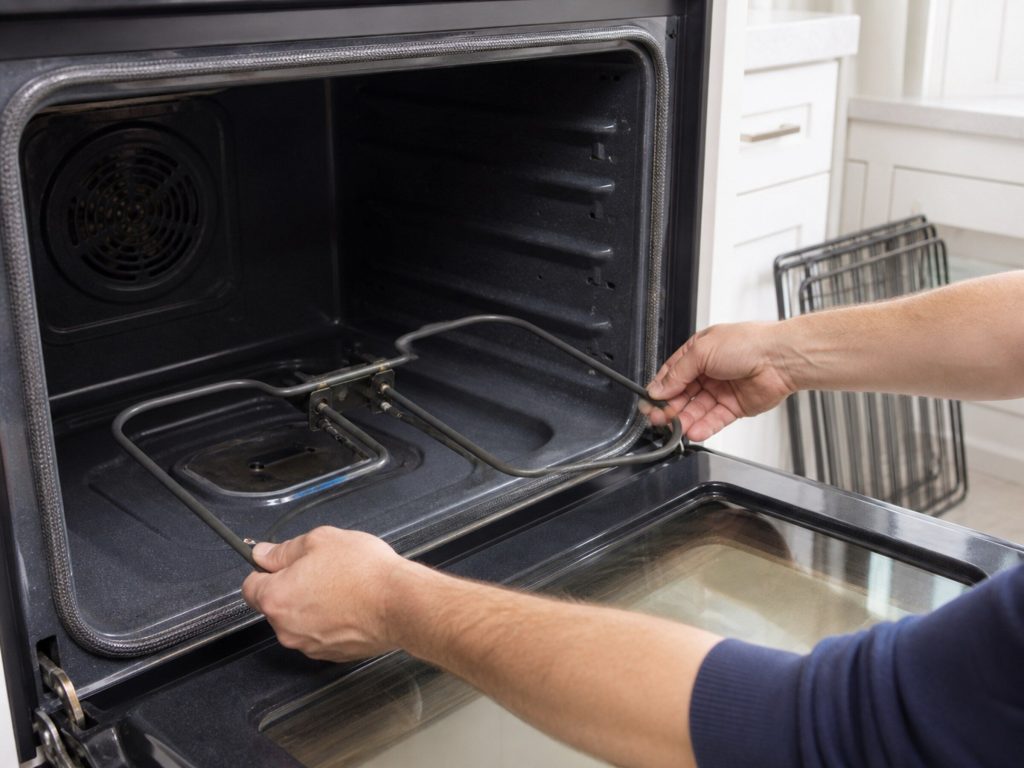
from $175 Oven element replacement
The oven will not heat but the cooktop works — the most useful sentence a customer can say, because it separates the two circuits immediately. On an electric range or wall oven this is usually the bake element, the sensor or the control relay, and GE's own troubleshooting walks the same path.
- Cooktop working narrows it to the oven circuit
- Element, sensor and relay are three different prices
- Visible damage is not always the whole story
-
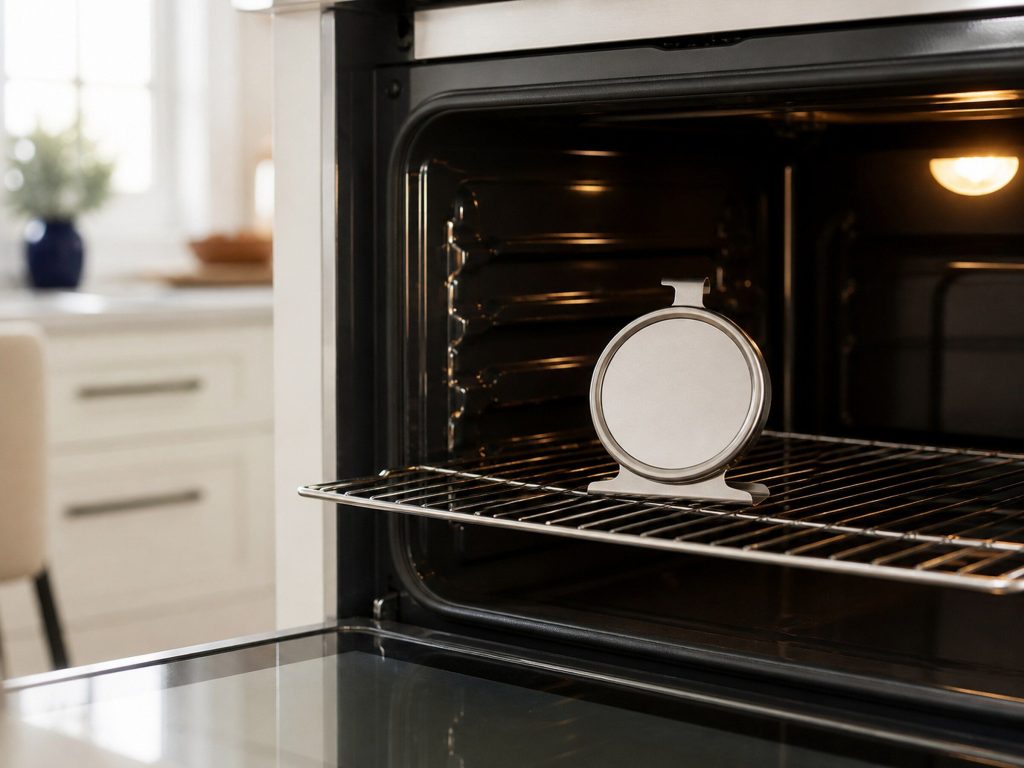
from $155 Oven temperature calibration and sensor
It bakes badly, or it is out by fifty degrees. Many GE ovens can be calibrated, which costs nothing at all, and that is what we try before replacing anything. A sensor that has genuinely drifted is an inexpensive part; a control board quoted for a temperature complaint is usually the wrong answer.
- Calibration tried before any part
- Measured with an independent probe
- Cheap repair, common misdiagnosis
-
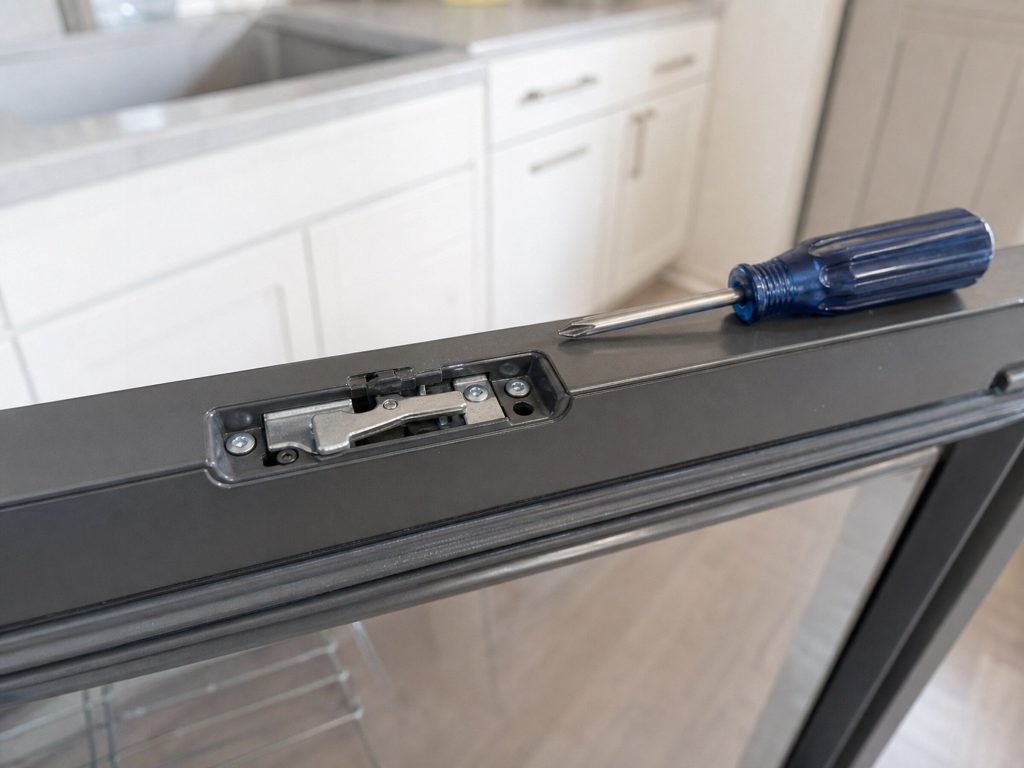
from $185 Oven door and lock repair
The door locked after self-clean and will not open, or LOC DOOR is flashing with no clean cycle running. GE documents this specifically, and the first answer is patience — the lock will not release until the cavity is below a set temperature. If it is cool and still locked, that is the lock motor or its switch.
- Cool first — the lock may be behaving correctly
- F9 and FC both point at this circuit
- Self-clean is when ageing parts give up
-
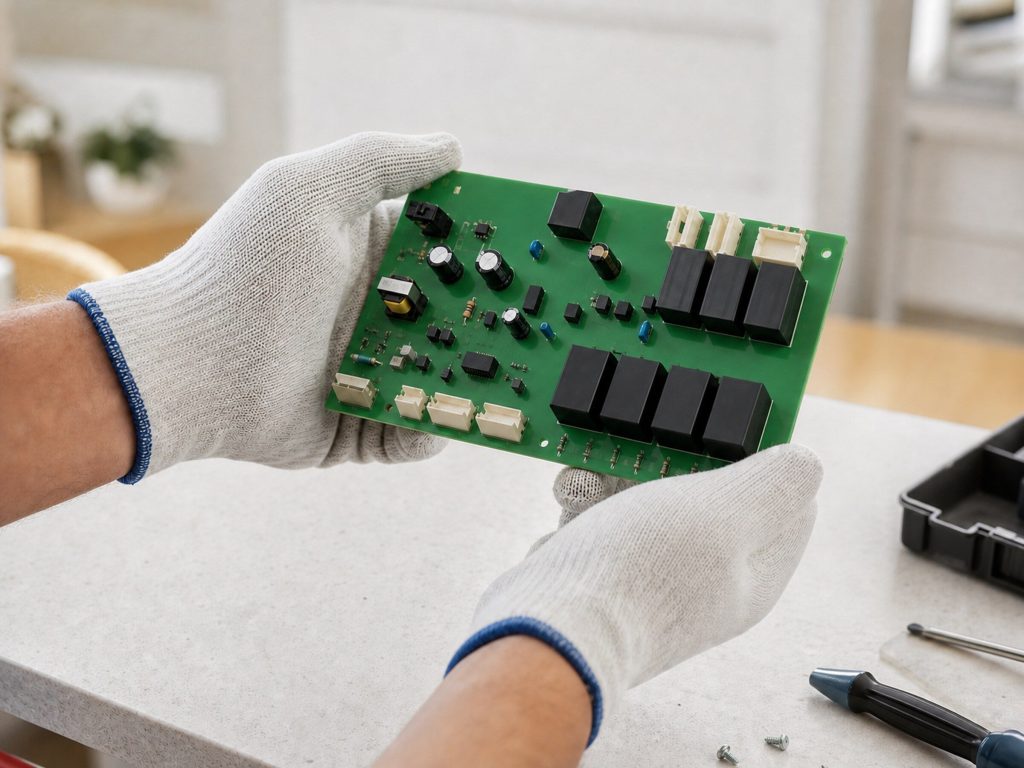
from $285 Control board replacement
The part most often blamed and least often measured. A control board is real and it does fail, but a sensor, a relay, a connector or a supply problem produces the same behavior for a tenth of the money — so this page exists as much to say when the board is not the answer as to price it when it is.
- Ruled in by measurement, not by elimination-by-guess
- Sensors and relays imitate a failed board
- We say when the arithmetic favors replacement
In more detail
About GE wall ovens
Built in is the whole difference
Everything else about a wall oven — the elements, the sensor, the lock, the control — is the same family of parts as a range. What changes is that the appliance lives inside furniture. That decides how long the visit takes, whether two people are needed, and occasionally whether a repair is sensible at all.
Advantium is a third kind of oven
It cooks with halogen light and microwave energy together, and it has its own control, its own sensors and its own code table. Treating it as a microwave or as a wall oven both lead to the wrong part.
The question worth asking first
How old is it. GE's serial number carries a two-letter date code, and reading it takes a moment — it tells you whether you are looking at an appliance with fifteen years left or one at the end of its service life, and that changes what is worth spending.
What the code table narrows, and what it does not
GE publishes about twenty entries for ranges and wall ovens, and several share a meaning: four point at the keypanel, two at the oven sensor, two at the control, two at the door lock. So a code narrows the problem to a circuit rather than to a part, and the measurement on site does the rest. Anybody quoting a specific component from an F96 alone is guessing, because that group does not name one.
Calibration before parts
An oven that bakes badly or reads fifty degrees out is a sensor or a calibration, and many GE ovens can be calibrated at no cost in parts at all. We measure the cavity with an independent probe through a full cycle before deciding, because an oven that overshoots and settles is a different problem from one that never arrives.
This article is based on:
- Official manufacturer documentation
- Internal repair procedures
- Technician repair history
- Company quality standards
Before you book
Questions about GE wall ovens
Is a wall oven repair more expensive than a range?
The parts usually are not; the access sometimes is. A range rolls out. A wall oven is screwed into a cabinet, often at eye level, sometimes with a second oven beneath it, and on the upper unit of a double stack the work is done from the front or not at all. We ask about the installation before quoting so that the figure holds.
The upper oven works and the lower one does not.
On most double units the two cavities share a control but have their own elements, sensors and relays, so one failing alone is normal and points at the cavity rather than the board. It also means the appliance stays half usable while the part is on order, which is worth knowing before anybody talks about replacement.
My Advantium shows an F code and it is not in the range list.
Advantium has its own table, and GE publishes it separately: F1 open thermal sensor, F2 shorted thermal sensor, F3 shorted touch pad, F4 humidity sensor open or shorted, F6 high cavity temperature. Their own clearing sequence is Clear/Off, reprogram, and if it returns, power off for thirty seconds.
The temperature is off by a lot. Is that the sensor?
Often, and it is one of the cheaper repairs on this appliance. A drifted sensor reads low and the oven overshoots, or reads high and it never arrives. Before replacing anything we measure the cavity against the setting, because many models can be calibrated and that costs nothing at all.
Where we do it
Across Miami-Dade, Broward, and Palm Beach
Same terms everywhere we go: an on-site diagnostic first, the price agreed in writing, and the exact figure confirmed once we have seen the unit.
Neighborhoods people ask for by name