Appliance
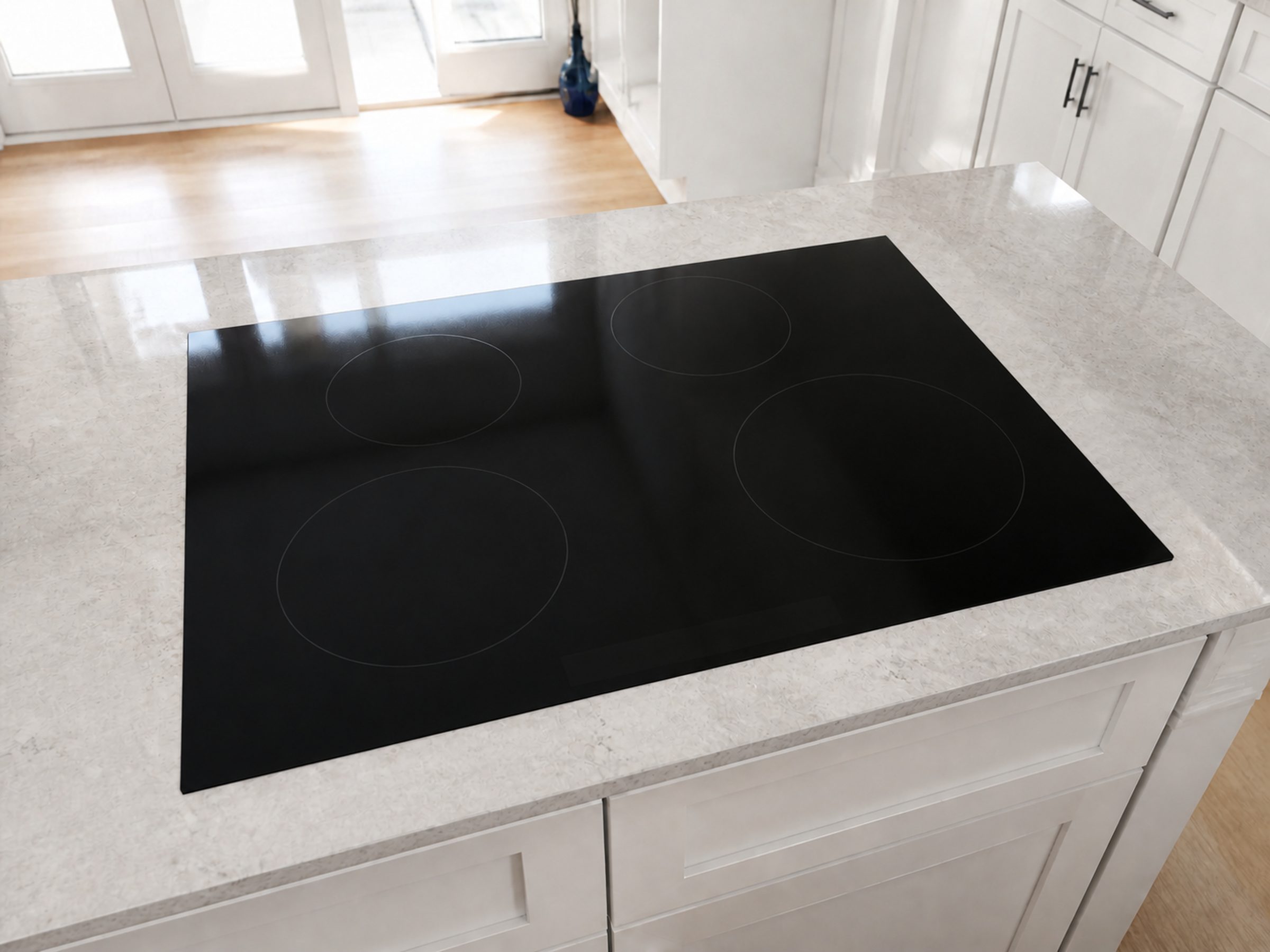
GE cooktops
Drop-in cooktops in all three technologies. The most common call is a single burner or zone that stopped, and the most common surprise is that a radiant or induction surface can be performing exactly as designed while the cooking is poor — because the pan is wrong for it.
- 1 symptoms we are called out to
- From $95 diagnostic, credited to the repair
- 59 cities and neighborhoods covered
- OEM parts available on order
The short version
What this equipment is, for a repair
Configurations
Electric radiant · gas · induction
Access
Planned before the visit, not discovered on arrival
Parts
OEM, available on order
Diagnostic
From $95, credited to the repair
What goes wrong with it
Symptoms we are called out to on GE cooktops
Each one covers the likely causes in the order they are worth checking, and what to do in five minutes before booking anything.
-
One works, the next one does not A burner or zone has stopped
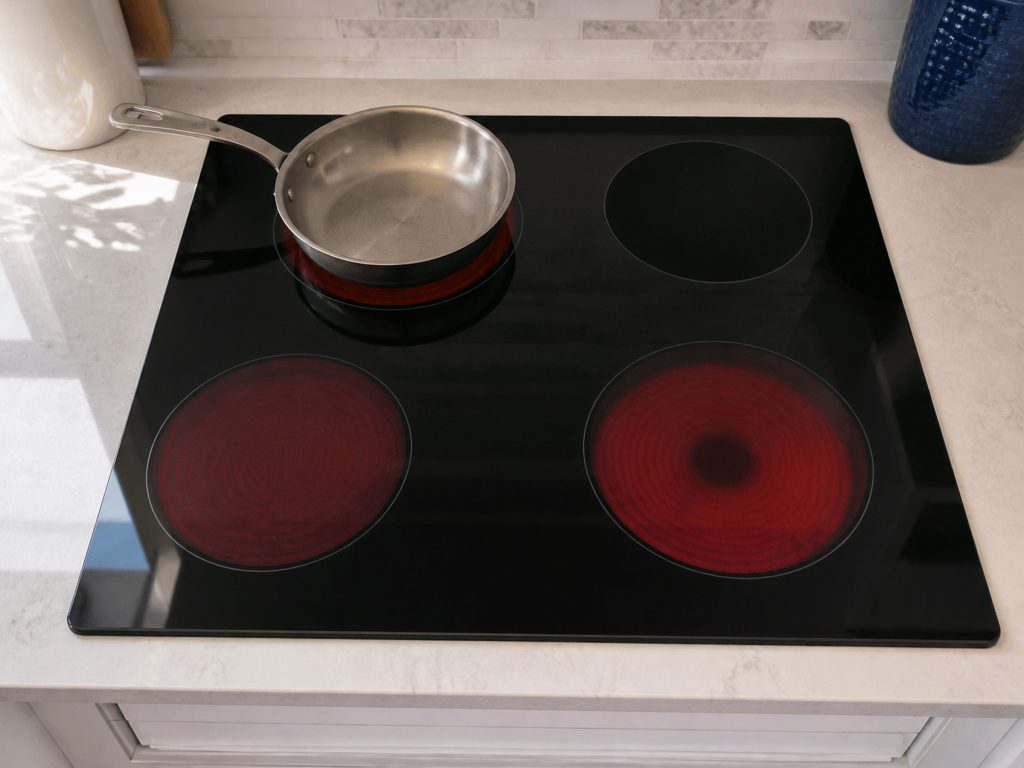
A single zone failing while the others work is good news on price: a failed control normally takes more than one zone with it. On radiant tops it is usually the element or its switch, on gas the electrode or the spark module, and on induction the coil's own electronics.
- One zone dead, the rest normal
- A gas burner that clicks and never lights
- An induction zone that cuts out under load
What we do on it
Repairs we carry out on GE cooktops
Starting figures for this equipment in South Florida. The exact cost is confirmed after an on-site diagnostic — and this is not the whole list of what can go wrong, so call if your problem is not here.
-
from $95 Diagnostic visit
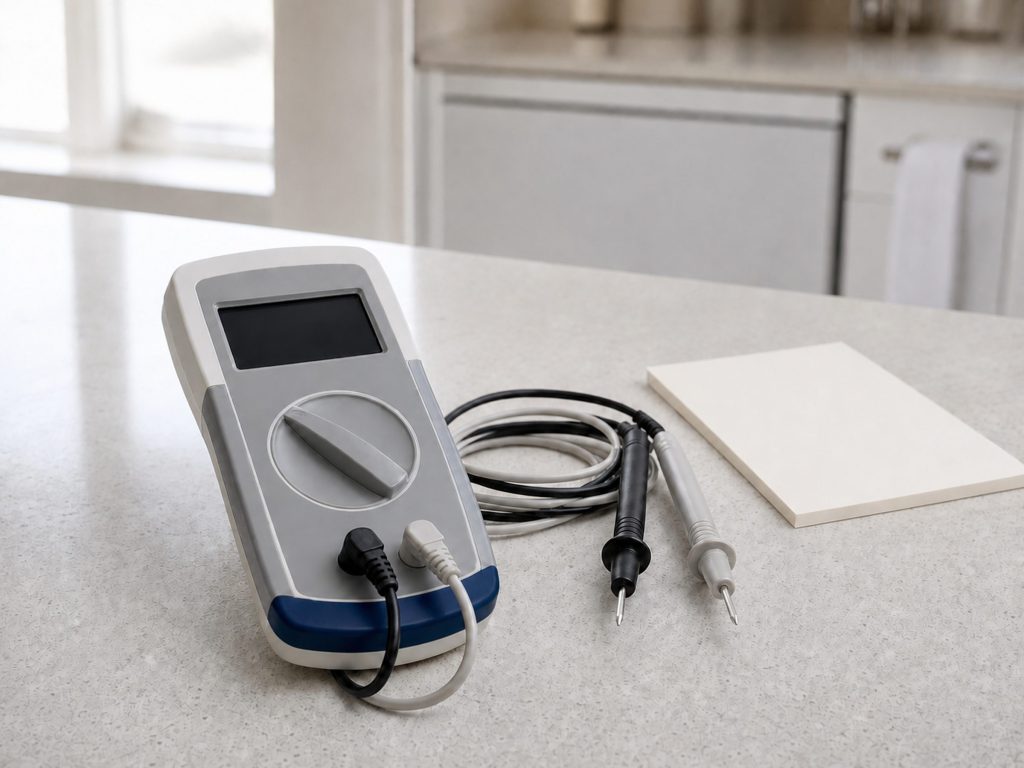
We find out what is actually wrong before anybody quotes a part. On a GE that starts with the two things their own support pages start with — what the appliance is reporting, and whether anything outside it is the cause — because a dryer that will not dry is usually a vent and a dishwasher that will not drain is often a disposer. The fee is credited toward the work when you go ahead.
- What the appliance reports, read rather than guessed
- The causes outside the appliance ruled out first
- Credited toward the repair
-

from $129 Appliance maintenance
The visit that prevents the expensive one. Condenser coils in a city where floors carry dust and hair, a dryer vent that has been quietly filling for three years, an ice machine scaling on hard water, filters that are past their interval. None of it is glamorous and all of it is cheaper than what it prevents.
- Condensers, vents, filters and seals in one visit
- Priced per appliance, cheaper together
- The findings written down, not just the work
-
from $149 Appliance installation
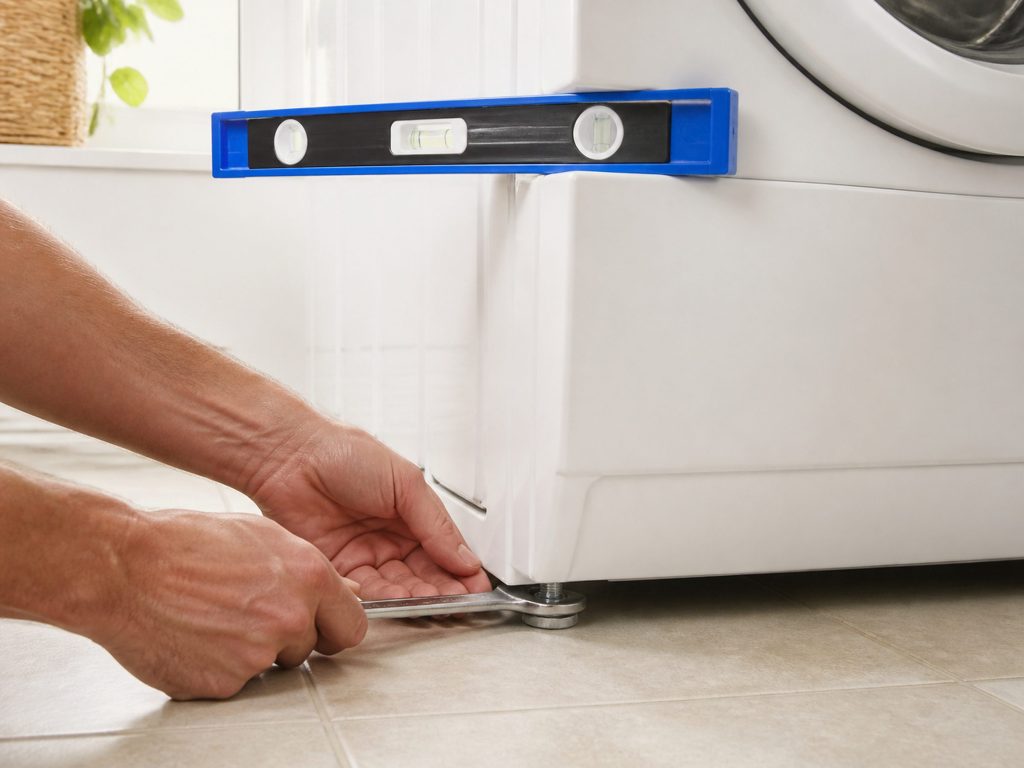
Installation done so the appliance can be serviced later, and so it performs the way its specification says. A built-in that has no clearance loses cooling every August, a dryer vented into a long horizontal run never dries in one cycle, and a dishwasher connected to a new disposer with the plug still in it will hold water from the first cycle.
- Clearances the specification asks for, not the ones the cabinet allows
- The disposer plug, the high loop, the vent run
- Leveled, aligned and tested before we leave
-
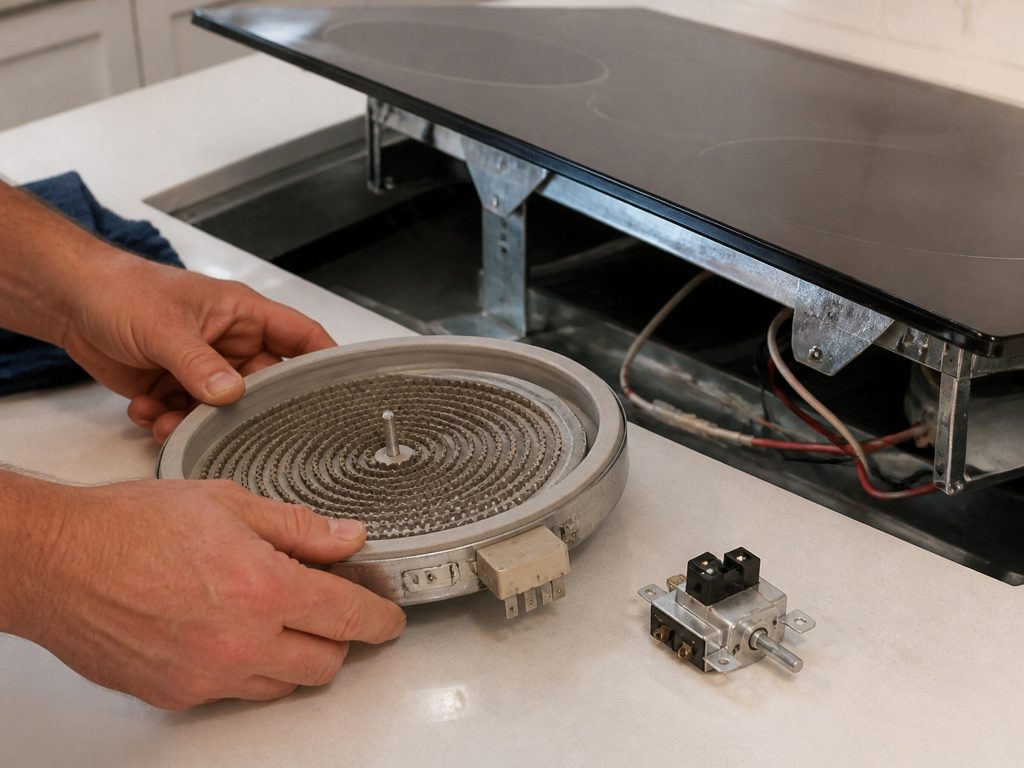
from $165 Cooktop element and switch repair
One zone stopped and the rest are fine. On a radiant top that is usually the element or its switch rather than the control — which is good news on price, because a failed control normally takes more than one zone with it.
- A single dead zone points away from the board
- Elements and switches are ordinary parts
- Cracked glass is a stop, not a symptom
-
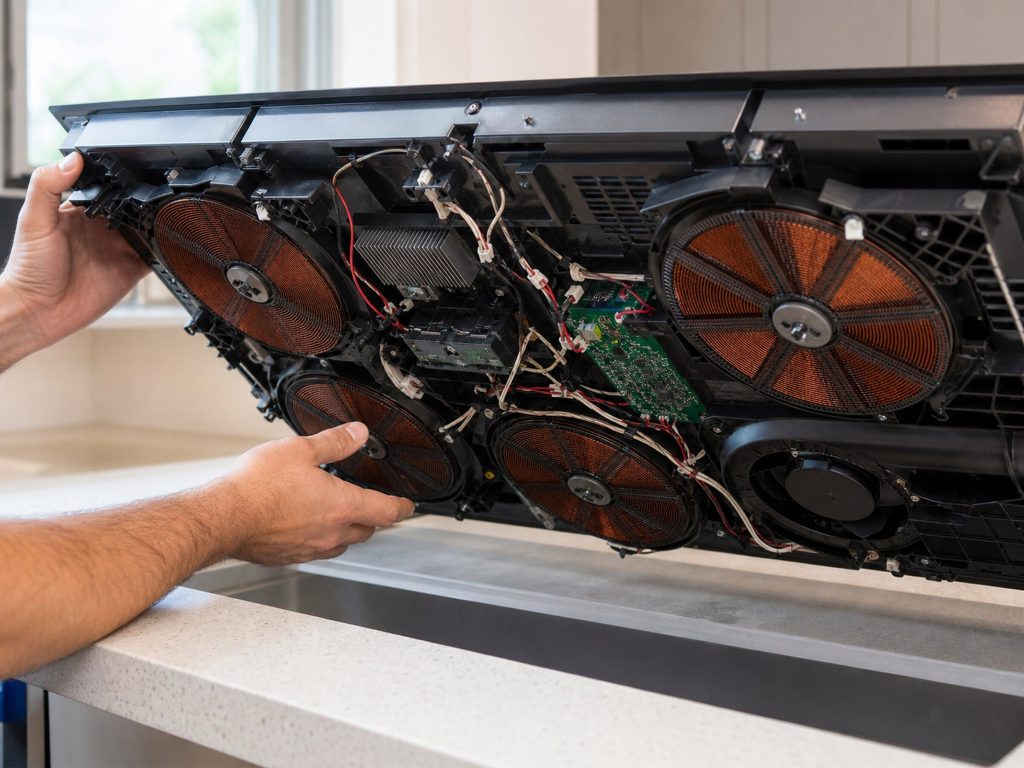
from $245 Induction cooktop repair
Induction fails in its electronics rather than in elements, zone by zone, and it protects itself by switching off. A top that cuts out during cooking is usually reporting something — an overheated coil, a blocked vent underneath, or a pan it no longer detects — rather than failing at random.
- Cutting out is often protection working
- Ventilation underneath is part of the appliance
- Diagnosed by zone, and by pan
-
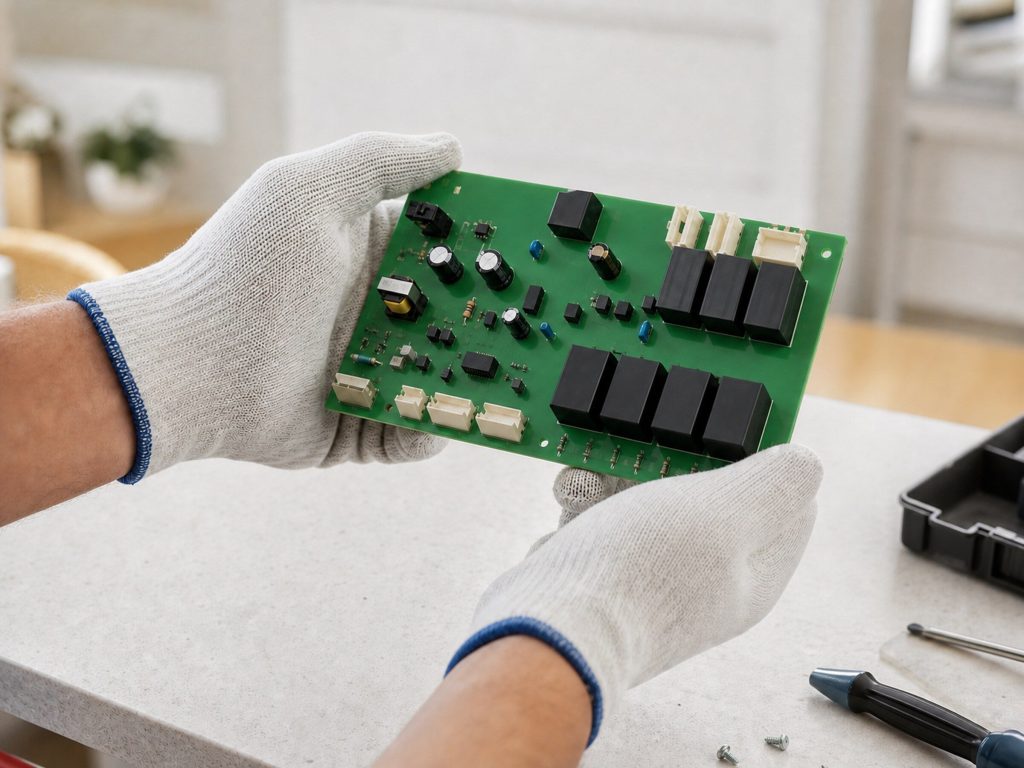
from $285 Control board replacement
The part most often blamed and least often measured. A control board is real and it does fail, but a sensor, a relay, a connector or a supply problem produces the same behavior for a tenth of the money — so this page exists as much to say when the board is not the answer as to price it when it is.
- Ruled in by measurement, not by elimination-by-guess
- Sensors and relays imitate a failed board
- We say when the arithmetic favors replacement
In more detail
About GE cooktops
Three technologies, three failure patterns
Radiant elements burn out and switches stick. Gas burners clog and igniters weaken. Induction fails in its electronics, zone by zone, and protects itself by switching off. Knowing which one is under the glass changes the first question we ask.
The pan is part of the appliance
On radiant and induction surfaces the cookware is not an accessory, it is half the heat transfer. GE publishes guidance on this because the complaint reaches them constantly, and a fair share of cooktop service calls end with a demonstration rather than a part.
What we bring
Elements, switches, igniters and spark modules travel with us. Coil electronics on induction are ordered against the model, which is why the model number on the first call shortens the whole job.
Cracked glass is where we stop
A cracked ceramic surface is an electrical safety issue the moment anything spills through it, and on induction it also exposes the coils beneath. This is the one cooktop symptom we will not advise living with, and the one where the honest answer is often a surface replacement rather than a repair.
What a single dead zone tells us
Good news, usually. A failed control normally takes more than one zone with it, so one zone out while the rest work points at that zone's element, switch or coil — all of which are ordinary parts. It is the appliances where everything stops at once that need the more expensive conversation.
This article is based on:
- Official manufacturer documentation
- Internal repair procedures
- Technician repair history
- Company quality standards
Before you book
Questions about GE cooktops
One zone stopped working and the rest are fine.
On a radiant top that is usually the element or its switch rather than the control, which is good news on price. On induction it is more often the coil's own electronics. Either way, a single zone failing alone points away from the board — a failed control usually takes more than one zone with it.
It heats unevenly and food cooks in a ring.
Before anybody replaces anything, GE's own guidance is about the pan: radiant glass needs flat, medium or heavy-weight cookware, because the heat crosses by contact. A warped or light pan touches the glass in a ring and cooks in one. This is the cheapest answer we ever give and it is right often enough to always check first.
The glass is cracked but it still works.
Stop using it. A cracked ceramic surface is an electrical safety issue once anything spills through it, and on induction it also exposes the coils beneath. This is the one cooktop symptom we will not advise living with.
My induction top turns itself off during cooking.
Usually protection working correctly: an overheated coil, a blocked vent underneath, or a pan the surface no longer detects. Induction cooktops shut a zone down rather than damage themselves, so a top that cuts out repeatedly is reporting something rather than failing at random.
Where we do it
Across Miami-Dade, Broward, and Palm Beach
Same terms everywhere we go: an on-site diagnostic first, the price agreed in writing, and the exact figure confirmed once we have seen the unit.
Neighborhoods people ask for by name